
The 4 Things To Do To Prepare For A Cruise Vacation
This post contains affiliate links. Click here to read my affiliate policy.
Last Updated on March 12, 2025
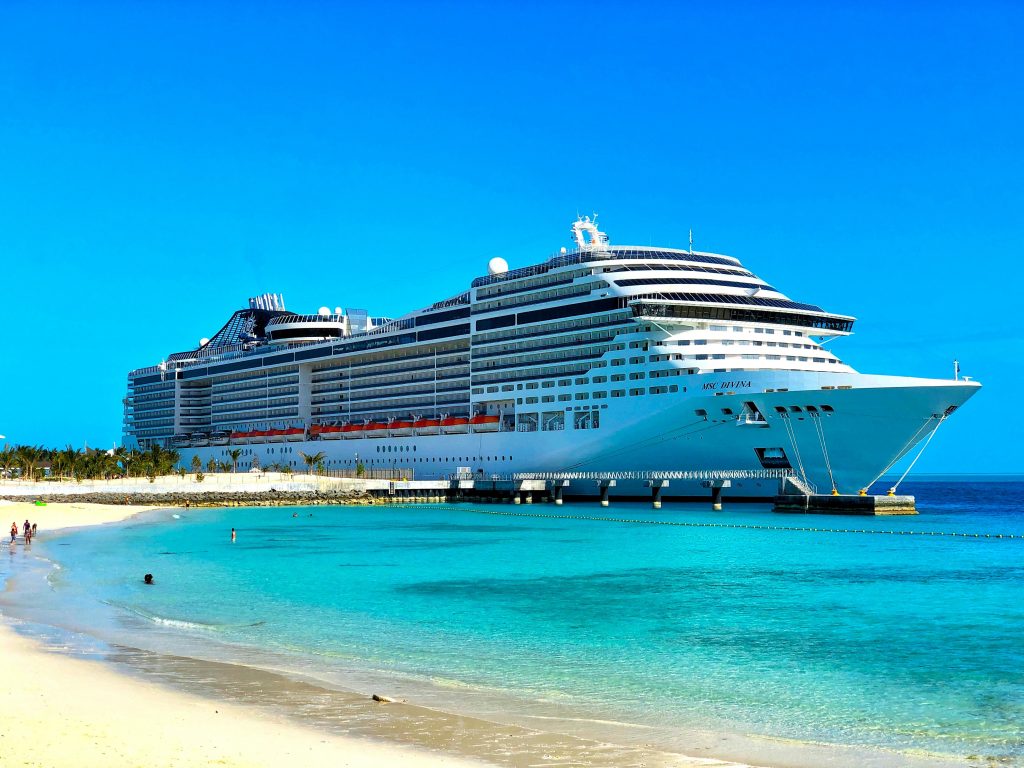
A cruise makes travel easy in ways that other trips don’t. You get to visit multiple places without worrying about changing hotels or hauling luggage from one stop to the next. Once you board, your room is ready, your meals are planned, and entertainment is just steps away. Unlike other vacations that require constant planning, a cruise takes care of many details for you.
But just because so much is handled doesn’t mean you can show up without preparation. Without planning, you might miss out on activities, spend more than expected, or run into small problems that could have been avoided. A cruise offers a smooth and relaxing way to explore new places, but a little effort before you go makes the experience even better. In this article, we will go over several things to do ahead of time to prepare for a cruise.
1 – Have a Plan B
Things don’t always go as planned on a cruise. Bad weather, mechanical issues, or other problems can lead to cancellations or delays. Sometimes ports get skipped or changed at the last minute. You could also face personal setbacks, like getting sick before the trip, missing a flight to the port, or arriving late and watching the ship leave without you.
One way to protect yourself is to get insurance for a cruise. A good policy can cover canceled trips, medical emergencies, or missing the ship. Without it, you could lose money on tickets, excursions, and other prepaid plans. Medical care on a cruise ship can be expensive, and finding treatment at a port isn’t always easy.
It also helps to plan for the unexpected. Flying in a day early lowers the risk of missing the ship due to travel delays. Keeping extra money set aside can cover hotel stays or last-minute transportation. If you book shore excursions through a company outside the cruise line, remember that the ship won’t wait if you’re late.
2 – Choose the right cruise
Finding the right cruise makes all the difference. There are many choices, so it helps to know what matters most to you. Some ships are made for relaxing, while others are packed with activities. Short cruises are great for quick trips, while longer ones give you more time to explore. The places you visit, the size of the ship, and the type of experience you want all play a part in making the best choice.
Your budget is also important. The ticket price covers your room, food, and some entertainment, but many extras cost more. Drinks, special restaurants, shore trips, and certain activities can add up. Some cruise lines include more in the price, while others seem cheaper but charge for almost everything.
The type of cabin you pick affects your trip. Inside rooms are the cheapest but don’t have windows. Ocean-view rooms let in natural light, while balcony rooms give you a private outdoor space. Suites cost more but offer extra comfort. If you don’t plan to spend much time in your room, a smaller space might be fine.
3 – Have a packing strategy
Packing the right things makes a cruise much easier. Bringing too little could leave you without important items, while overpacking can make your luggage hard to manage. Since cruise cabins have small storage spaces and onboard shops are pricey, it helps to think ahead.
Most cruises are casual during the day, but some have formal nights where nicer outfits are needed. Comfortable clothes and shoes make it easier to walk around the ship and explore ports. If you’re going somewhere warm, bring swimwear and light clothing. If the weather might be cool, pack a jacket and some layers.
A few extra things can make your trip better. Cabins have limited power outlets, so a small power strip can be useful. A refillable water bottle saves money and helps you stay hydrated. Sunscreen, sunglasses, and a hat are good for time on the deck or at the beach. If you get motion sickness, bringing medicine just in case is a good idea.
4 – Embarkation day preparation
The first day of a cruise can be exciting but also busy. Thousands of people arrive at the same time, going through security, checking in, and getting on the ship. Knowing what to expect can make things easier and help you start your trip without stress.
Getting to the port early is a good idea. Cruise lines give you a boarding time, and arriving at the start of it helps you avoid long lines. Have your ID, cruise ticket, and other travel documents ready. Security checks are like those at an airport, with bag scans and metal detectors. Keeping everything organized helps you get through faster.
Before the ship leaves, you must complete a safety drill. Some ships do this in person, while others let you check in through an app.