3 Surprising Ways to Ease Cycle and Midlife
This post contains affiliate links. Click here to read my affiliate policy.
Last Updated on December 22, 2025
Some months it feels like you’re doing double-duty, managing a busy life while juggling cramps, mood swings, and the 3 a.m. hot-flash wake-up call. If you’re between your late thirties and mid-fifties, that tug-of-war between monthly cycles and perimenopause is undeniably real. It’s a unique phase where familiar patterns overlap with new, sometimes confusing, symptoms.
You might feel like you’re constantly adapting to a body that keeps changing the rules. While a study revealed that the prevalence of perimenopausal syndrome was 9.9%, more than 95% of the participants had at least one symptom. The good news is you don’t need a complete life overhaul to find relief, as a few simple habits can dial down the discomfort.
This isn’t about fighting your body; it’s about learning to support it with gentle, consistent care. Below are three practical tips to fit real schedules and real bodies. Think of them as gentle course-corrections you can start tonight to bring more comfort and ease into your daily life.
Tip 1 – Clean & Protect: Cycle-Time Hygiene Made Easy
During your period and throughout the month, maintaining comfort can feel like a delicate balance. The key isn’t aggressive cleaning but rather understanding and protecting your body’s natural defenses. This is especially true for the sensitive vulvar skin, which has its own finely tuned ecosystem.
Why pH Balance Matters
Your vulvar skin has a protective microbiome that thrives in a slightly acidic environment. This natural acidity creates a shield that discourages the growth of harmful bacteria and yeast. Using harsh, alkaline soaps, scented wipes, or douches can disrupt this delicate balance.
When that happens, the protective barrier weakens, leaving you vulnerable to irritation, itching, and dryness. A gentle, pH-balanced cleansing routine supports the good bacteria that shield you year-round. This approach helps prevent discomfort before it starts.
On-the-Go Realities
Managing period care on the go is rarely convenient, whether you’re in a cramped airplane lavatory or a public office stall. In these moments, having a discreet, body-safe solution can make all the difference. For these situations, practical tools like nixit’s fragrance-free menstrual wipes are designed with vulvar health in mind.
A travel-friendly wipe or a small bottle of peri wash can be a great ally when there’s no private sink in sight. These allow you to feel clean and confident no matter where your day takes you. Look for options that are plant-based, fragrance-free, and gynecologist-approved to minimize the risk of irritation.
Quick How-To (Avoid Over-Wiping)
Proper technique is just as important as the product you use. To cleanse without causing irritation, always wipe from front to back to prevent transferring bacteria. One gentle pass is usually plenty, as excessive friction can strip the skin of its protective oils.
If needed, pat the area dry with a soft, unscented tissue afterward. The takeaway is simple: a single, body-safe wipe after a product change can help you feel fresh and clean. It’s a tiny tweak with an outsized pay-off for your comfort all month long.
| Pro Tip: Your body has a natural protective barrier. Over-cleaning with harsh soaps or excessive wiping can do more harm than good. Always choose gentle, pH-balanced products for lasting comfort and to prevent irritation. |
Tip 2 – Nourish & Moisturize: Inside-Out Hydration for Midlife
As you enter perimenopause, you may notice changes that go beyond your menstrual cycle, particularly when it comes to moisture. Skin might feel drier, and you may experience vaginal dryness for the first time. This is a common result of shifting hormones, and addressing it from the inside and outside can restore comfort.
What Happens When Estrogen Dips
Estrogen is a key player in maintaining the health and elasticity of vaginal and vulvar tissues. Its decline can lead to thinner, drier, and more fragile tissue. Approximately 80% of postmenopausal women experience vasomotor symptoms like hot flashes, while up to 50% report genitourinary symptoms, including vaginal dryness.
Lower estrogen is also linked to a spike in systemic inflammation. This can heighten the intensity of period cramps and other bodily aches. Understanding this connection is the first step toward finding effective solutions that address the root cause.
Nutrition Mini-Checklist
What you eat directly impacts inflammation and hormonal balance. Consider incorporating nutrients like Omega-3s, found in fatty fish, which can ease prostaglandin-driven period cramps. Turmeric is another powerful anti-inflammatory spice that can help lower systemic inflammation and reduce overall aches.
Limiting added sugars helps stabilize energy and temperature regulation, as high sugar intake can trigger hot flashes. Vitamin D is also crucial for bone health, which becomes a priority as estrogen declines. Adequate levels have also been linked to better pelvic-floor health.
Targeted Topical Help
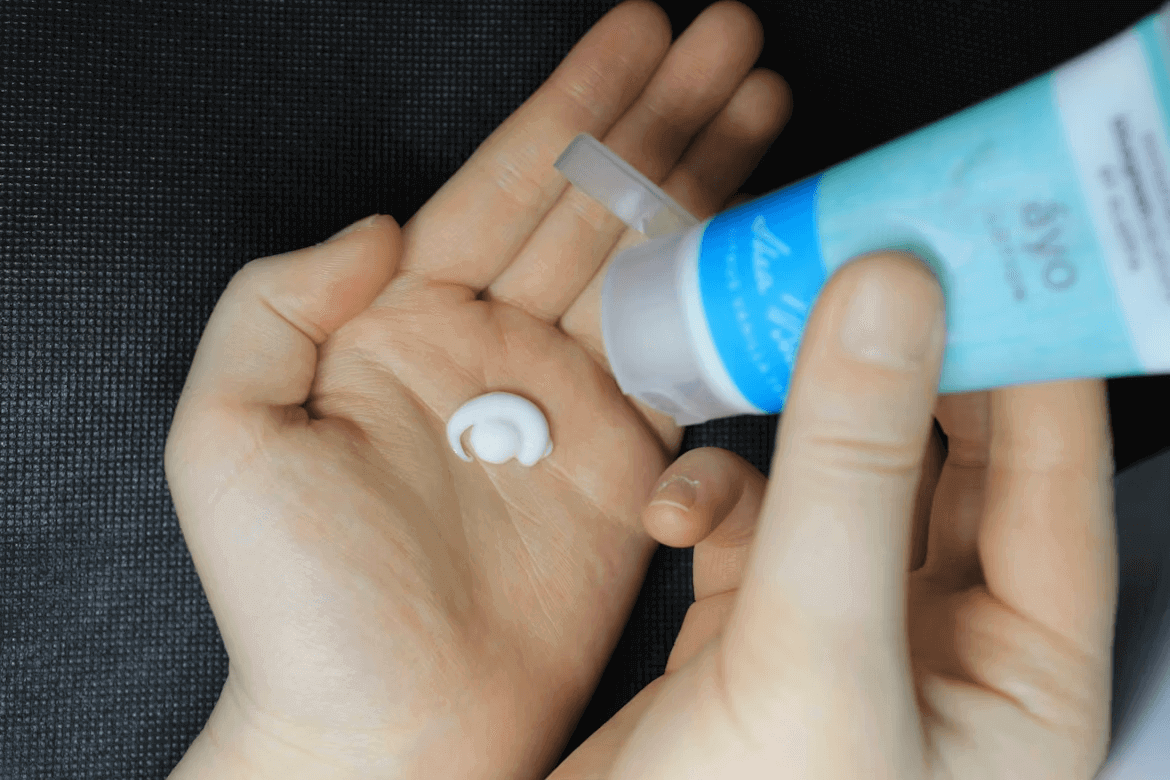
While nutrition works from the inside, targeted topical support can provide direct relief for vaginal dryness. Many assume hormones are the only answer, yet well-designed herbal blends can help restore moisture. Non-hormonal options, such as NeuEve’s hormone-free natural treatment for vaginal dryness, provide an alternative for those who prefer them.
Some formulations use a blend of food-grade oils, vitamins, and other compounds to help tissues rejuvenate and lubricate naturally. These approaches are often gradual and gentle, restoring moisture over several weeks without synthetic hormones. Different formulas can be tailored to varying degrees of dryness.
Myth-Buster: “Only Hormone Therapy Fixes Dryness.”
This is a common misconception, as hormone therapy is not the only effective option. A 2019 trial found that women using a non-hormonal hyaluronic acid insert experienced a significant boost in moisture comparable to low-dose estrogen.
The North American Menopause Society also confirms that non-hormonal options are legitimate first-line therapies for many individuals.
| Key Insight: Lower estrogen doesn’t just mean dryness; it’s linked to increased inflammation, which can worsen period cramps and body aches. Addressing moisture and inflammation together provides more comprehensive relief during midlife. |
Tip 3 – Restore & Recharge: Sleep, Stress, and Gentle Movement
The connection between hormones, stress, and sleep is a powerful one, especially in midlife. If your nights are spent tossing and turning, your body can’t perform the essential repair it needs. Prioritizing rest isn’t a luxury; it’s a foundational pillar of wellness.
Why Midlife Sleep Feels Impossible
If you suddenly find yourself wide awake at 3 a.m., hormones are a likely culprit. Progesterone, which has a sleep-promoting effect, begins to decline during perimenopause, which can lead to a spike in the stress hormone cortisol. At the same time, fluctuating estrogen can disrupt your body’s internal thermostat, causing night sweats.
This cycle of poor sleep is more than just frustrating; it worsens cramps, brain fog, and insulin resistance. A meta-analysis found the prevalence of sleep apnea in postmenopausal women is as high as 35.2%. This makes addressing sleep issues a critical part of managing midlife symptoms.
Three Micro-Habits to Try Tonight
You don’t need a complicated routine to signal to your body that it’s time to wind down. Try spending five minutes doing gentle stretches like child’s pose, focusing on long, slow exhales. A 10-minute walk in natural daylight, especially in the morning, also helps anchor your circadian rhythm.
Finally, establish a screen-curfew at least one hour before bed, as the blue light from devices suppresses melatonin. Additionally, setting your thermostat below 68°F (20°C) helps your body reach the lower core temperature required for deep sleep. These small, consistent actions can make a significant difference.
Movement Re-framed
It’s time to shift the focus of exercise from “burning calories” to “feeding your joints and hormones.” As estrogen declines, so does muscle mass and bone density. Gentle, consistent resistance training is one of the best ways to counteract this and support your metabolism.
Exercises like resistance-band rows or goblet squats can help maintain muscle mass, stabilize pelvic alignment, and elevate mood. Think of movement as lubrication for your body. It keeps your joints, hormones, and mind working smoothly through midlife changes.
| Key Insight: Reframe movement as hormonal support, not just calorie burning. Gentle resistance training helps maintain muscle and bone density, stabilizes mood, and lubricates your joints—a crucial tool for navigating midlife changes with strength. |
Your Next Steps
Navigating cycle changes and midlife can feel overwhelming, but small, consistent acts of self-care can make a world of difference. Instead of trying to do everything at once, choose one area to focus on this week.
- Clean & Protect: Keep a few pH-balanced wipes in your purse for stress-free period care on the go.
- Nourish & Moisturize: Add one anti-inflammatory food to your meals and consider pairing it with a topical solution for inside-out hydration.
- Restore & Recharge: Claim your evening routine. Try five minutes of stretching, put your phone away an hour before bed, and cool your room.
Pick one habit, track how you feel, and remember to consult with a trusted clinician for individualized guidance. Everybody is different, and finding what works for you is a journey of gentle experimentation. Your well-being is worth it.