
3 Proven Stress-Busters for Busy Youth Sports Seasons
This post contains affiliate links. Click here to read my affiliate policy.
Last Updated on December 22, 2025
It’s 6:17 p.m. on a Tuesday. One child is scanning the floor for a missing leotard, another is asking if dinner will be at the drive-thru again, and you’re juggling a team notification and tomorrow’s math test.
Youth sports are a gift. They build confidence, forge friendships, and instil lifelong healthy habits, but the volume of practices and games can tighten any family’s schedule.
The good news is that a few intentional moves can turn chaos into confidence. The three pillars below, calming the mind, packing like a pro, and building predictable routines, work together to shrink stress. These strategies are designed to shift your focus from scrambling to celebrating, so you can enjoy the season.
Tip 1: Calm the Mind – Taming Performance Stresses
Stress vs. Nerves: A Quick Definition
It is crucial to distinguish between nerves and stress. Nerves are normal physical alerts, while stress is the lingering pressure that can sap enjoyment. With approximately 91% of high school athletes reporting some level of stress, learning to manage it is vital for performance and well-being.
Mindset Micro-Shifts

Small reframes can have a big impact, especially since fear of failure and self-pressure are the top stress causes. Empower your child by offering choices to promote a sense of control, like asking, “Do you want to start with stretching or balance beam drills?” After practice, focus on growth by asking, “What did today teach you?” instead of “Did you win?” to shift the conversation toward development.
Simple Pre-Performance Tools
Try these quick exercises to help ground your athlete before a big event.
- Focal-Point Breathing (1-Minute Exercise): Have your athlete look at a nearby object. Instruct them to inhale for four counts, envisioning energy traveling to that focal point. Then, exhale for six counts, picturing tension leaving the body.
- “Play, Not Perfection” Mantra Card: Create a small, wallet-sized card that reads, “Play brave, learn always.” They can tape it inside their gym bag or on a water bottle for a quick, grounding reminder before they compete.
Parent Role Modeling
Your behavior on the sidelines matters immensely. Young athletes often interpret immediate sideline directives as pressure. Wait for a natural break in the play to clap or shout encouragement, as a calm presence leads to a steadier performance.
| Key Insight: The simplest mindset shift is focusing on process over outcome. Asking “What did you learn?” instead of “Did you win?” empowers athletes, reduces performance pressure, and builds long-term resilience and enjoyment in their sport. |
Tip 2: Pack Like a Pro – Gear & Bag Hacks
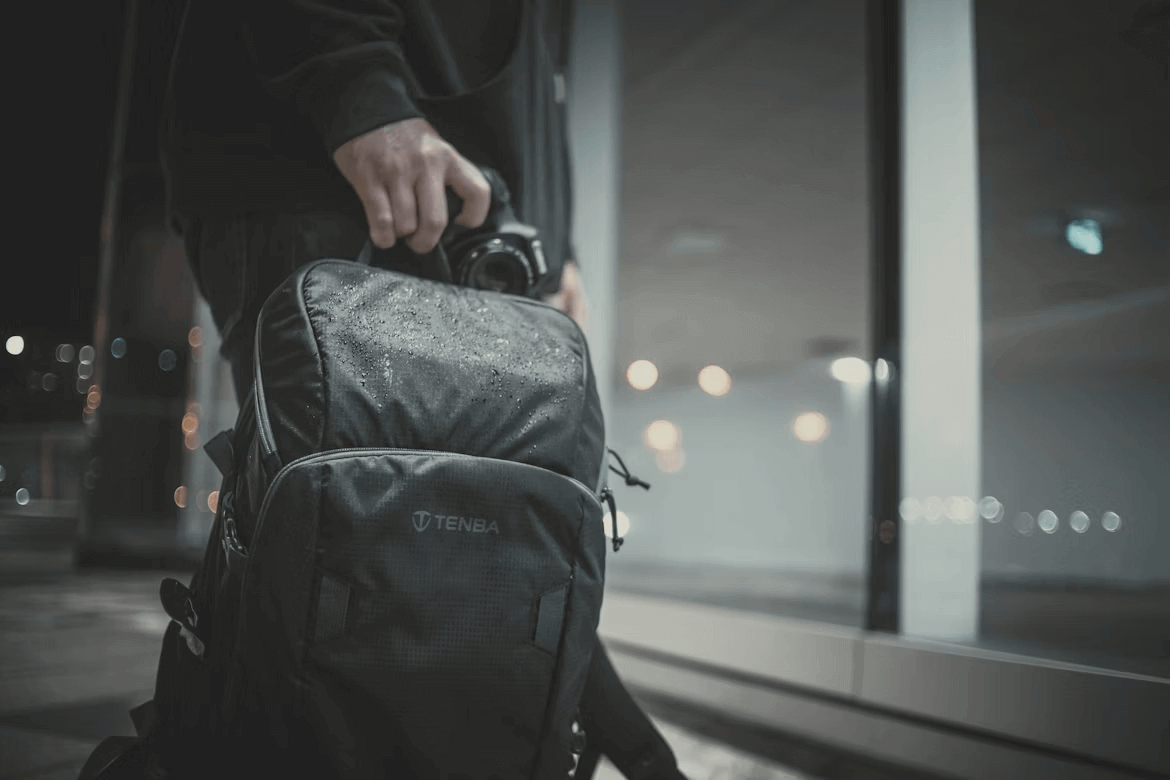
Why Gear Matters for Stress
A surprising amount of an athlete’s focus can be derailed by their gear. Scratchy seams, soggy fabric, or a leotard that constantly needs adjusting can pull a child’s attention away from skill execution. Comfortable, correctly-sized, and easy-care apparel keeps their focus where it belongs: on enjoying the sport and performing their best.
When searching for durable athletic wear, consider options like Sports Gear Swag’s gymnastics performance uniforms, known for being moisture-wicking and machine-washable. Features like quick-dry fabric mean fewer panics over a wet uniform. True-to-size fit charts and color-lock technology also make laundry less of a chore, freeing up mental bandwidth for everything else.
Meet-Day Backpack Checklist
Laminate this checklist and attach it to your child’s bag so they can learn to pack independently:
| Item | Packed? | Notes |
| Primary uniform & backup leo | ☐ | Fold in the mesh pouch |
| Grips/wristbands & chalk | ☐ | Small Ziploc |
| Water bottle (frozen ¼ full) | ☐ | Thaws by warm-up |
| Protein-plus snack | ☐ | Almond butter sandwich |
| Hair ties & clips | ☐ | Keep in a mint tin |
| Mini first-aid (bandages, tape) | ☐ | Pre-packaged kit |
| Packable rain jacket | ☐ | Clips to bag loop |
| Small laundry bag | ☐ | Toss sweaty items post-event |
Laundry & Turnaround Hacks
Keep a ventilated mesh bag in the car; dirty gear goes straight inside after practice so odors don’t linger. For a quick turnaround, run gear on a 15-minute cold cycle, then use a 10-minute air-only fluff in the dryer to knock out excess moisture before hang-drying overnight.
| Pro Tip: Create a ‘landing zone’ by the door with a mesh laundry bag. Have your athlete dump dirty gear immediately after practice. This simple habit prevents forgotten, smelly uniforms and makes laundry day significantly less stressful. |
Tip 3: Create Consistent Routines – Home-to-Field Flow
The Power of Predictability
Children’s cortisol (stress-hormone) levels decrease when their pre-activity routines stay consistent. The key takeaway for sports parents is that a predictable routine is far more effective at reducing stress than a “perfect” one that changes every week.
Family Logistics Blueprint
Use a shared digital calendar to color-code school events, practice times, carpool duties, and meal prep. Set automated reminders for key tasks like packing snacks or hydrating. Dedicate 30 minutes every Sunday to a “Gear Reset,” where each family member lays out the week’s uniforms and restocks their bag.

Game-Day Countdown
A structured timeline helps manage expectations and reduce last-minute rushing.
- T-24 hrs: Perform a final bag check, wash the uniform, and print the meet schedule.
- T-12 hrs: Set a phone alarm as a hydration reminder to finish one full water bottle before bed.
- T-1 hr: Guide your athlete through the focal-point breathing exercise and review their “play, not perfection” mantra.
| Key Insight: A predictable, simple pre-game routine is proven to lower a child’s stress hormones more effectively than a ‘perfect’ but ever-changing one. Focus on consistency over complexity to create a calm, reliable flow. |
Quick-Reference FAQ
Q: My child still feels sick with nerves. Now what?
Introduce a pre-competition journal, as writing worries down can reduce their power. This is important, as about 27% of high school athletes with high stress desired professional help but did not receive it. If symptoms are severe or persist, consult a pediatrician or a sports psychologist.
Q: How often should we replace a gymnastics uniform?
It’s time for a replacement when the fabric thins, seams stretch, or growth spurts cause pulling and discomfort. Quality uniforms with features like quick-dry fabric and color-lock technology often last two full seasons.
Q: Will these tips help multi-sport families?
Absolutely. Checklists, shared calendars, and calming breathing drills are universal tools that adapt easily to soccer, basketball, or swim schedules.
The Path Forward
You don’t have to implement everything at once. Pick one tip, like the Sunday gear reset or the focal-point breathing, and test it at this week’s practice. Notice what stress signal fades first.
Is it fewer frantic searches for gear, steadier nerves, or calmer car rides? A small, consistent change can make a massive difference. By turning chaos into a predictable routine, you free up energy to enjoy watching your child thrive.
| Author Profile: Sports Gear Swag is the leading online retailer of custom sports apparel and gear for teams, schools, and organizations of all sizes. Specializing in team jerseys, uniforms, and athletic apparel with a wide range of customization options. |