
10 Smart Ways to Save Money on Healthy Groceries Without Sacrificing Flavor
This post contains affiliate links. Click here to read my affiliate policy.
Last Updated on March 10, 2026
Eating healthy doesn’t have to break the bank. With a few strategic tweaks, you can enjoy nutritious meals without compromising on taste or spending a fortune. One great way to start is by using money-saving grocery vouchers at Latest Deals to snag some great discounts. Below, you’ll find ten smart strategies to slash your grocery bill while still indulging in delicious and wholesome fare.
1. Plan Your Meals
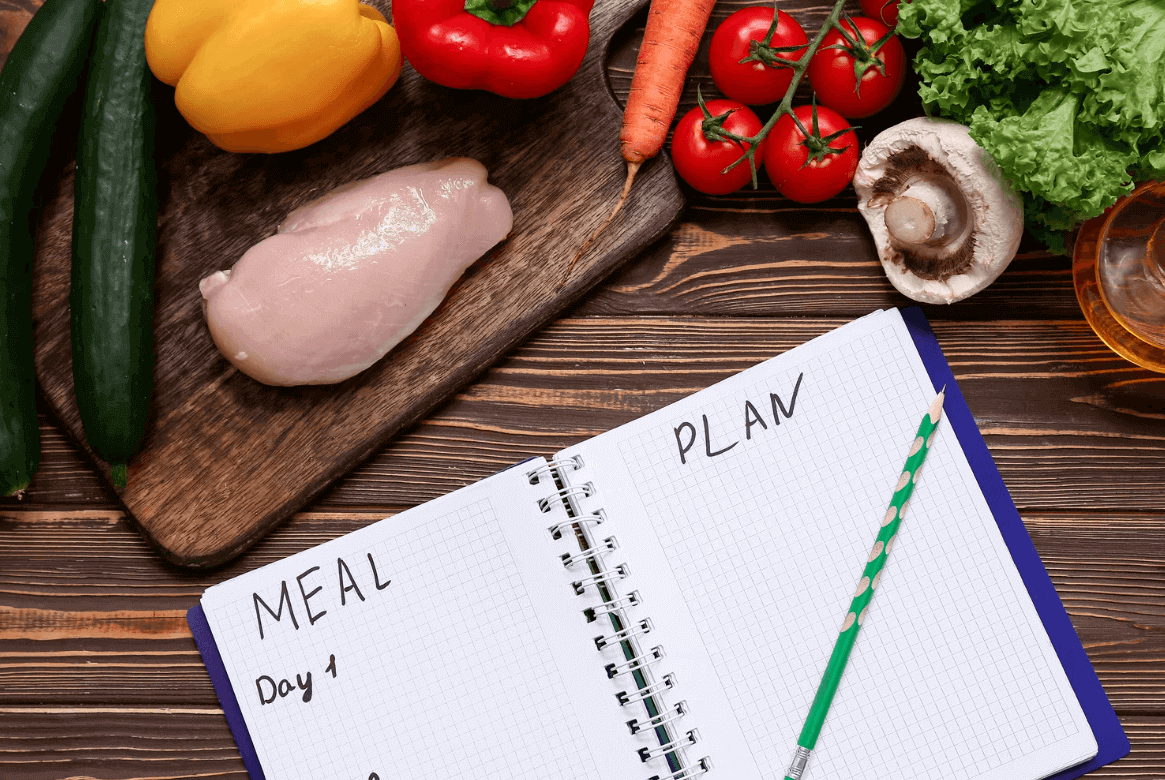
Meal planning is the unsexy superpower of saving money on healthy food. When you know what you’re eating, you stop “just popping in” for one thing and leaving with three extras and a fancy sauce you’ll use once.
Create a Weekly Menu
Keep it simple: 5–7 dinners, a couple of lunches, and repeat breakfasts. Build your week around a few flexible anchors (like a big pot of chilli, a tray of roasted veg, or a stir-fry) that can turn into multiple meals.
Bonus tip: plan one “use-up” night where you cook whatever’s left in the fridge.
Stick to Your List
Write your list from your menu, then shop it like a mission. Split it into sections (veg, protein, pantry, dairy/freezer) so you don’t wander.
If it’s not on the list, it needs a really good reason to come home with you. That one rule alone kills most impulse spending.
A small habit, big payoff: plan first, shop second, cook third. Everything else gets easier—and cheaper.
2. Buy in Bulk
Bulk buying is one of the easiest ways to eat well for less—if you’re picky about what you bulk up on. The goal isn’t a giant trolley. It’s cheaper cost-per-portion on foods you’ll actually use.
Stock Up on Staples
Go big on foods that are versatile, filling, and don’t spoil fast. Think:
- oats
- rice
- quinoa
- pasta
- dried lentils and beans
- canned tomatoes
- nut butters
- tinned fish
- frozen veg
- spices
- cooking oils
These are the boring heroes that turn random ingredients into real meals—curries, soups, grain bowls, stir-fries, overnight oats.
Space It Out
Bulk buying only saves money if nothing goes bad. Make sure you’ve got room and decent storage:
- airtight containers for grains and flour
- jars for nuts and seeds (they stay fresher in the fridge/freezer)
- freezer space for meat, bread, and frozen fruit/veg
If you’re tight on space, split multipacks with a friend or buy from bulk bins where you can choose the amount.
Tom Church, Co-Founder of LatestDeals.co.uk, a discount code platform, says:
“Bulk buying works best when you’re strategic—stick to staples you use all the time, and plan how you’ll store and rotate them so nothing gets wasted.”
A quick rule: if you can picture yourself cooking it at least 2–3 different ways, it’s a solid bulk buy. If you can’t, buy the smaller bag and move on.
3. Embrace Seasonal Produce
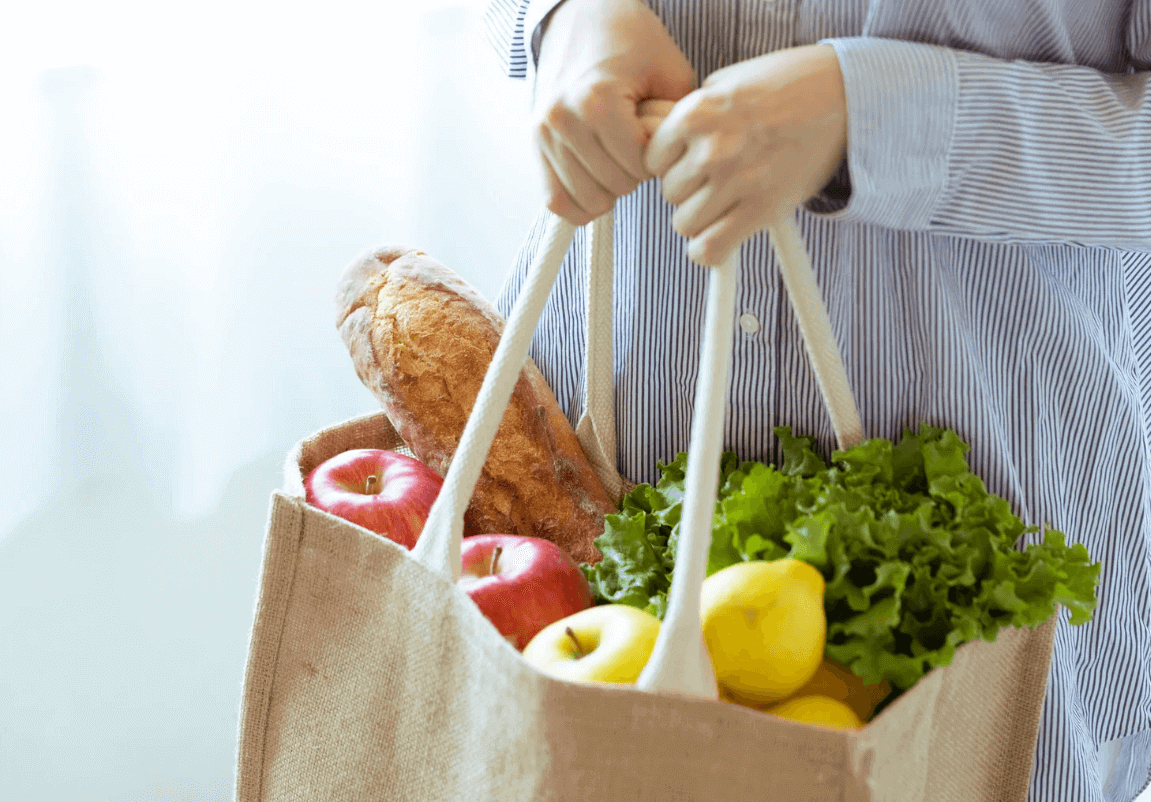
Seasonal produce is the easiest “eat better for less” move. When fruits and veg are in season, they’re abundant—so prices drop. They’ve also travelled less time (and sat around less), which usually means better texture and more actual flavor.
Win-win.
Cheaper and fresher
Build your meals around what’s plentiful right now. Think:
- summer berries and tomatoes
- autumn squash and apples
- winter citrus and greens
- spring asparagus and peas
If it’s piled high at the entrance of the shop, it’s probably there for a reason: it’s in season and it’s priced to sell.
Variety is key
Let the season force you out of autopilot. Swap your usual salad staples for whatever’s good right now:
- roasted root veg in winter
- stone fruit salsa in summer
- sautéed spring greens when they show up
This keeps healthy eating from getting boring, and you’re less likely to “treat yourself” to expensive, out-of-season options that don’t even taste that great.
Quick trick: pick 1–2 seasonal veg and 1 seasonal fruit each week, then plan a few meals around them. You’ll spend less, and your food will taste like it should.
4. Choose Store Brands
Same Quality, Lower Price
Store brands (aka “own-label”) are one of the easiest swaps for cheaper healthy groceries without feeling like you’re downgrading.
A lot of the time you’re getting the same core product:
- oats
- Greek yogurt
- tinned tomatoes
- frozen veg
- beans
- peanut butter
For noticeably less per serving. Over a week, that difference adds up fast.
As Tom Church, Co-Founder of LatestDeals.co.uk, the discount code platform, puts it:
“Switching to own-label for everyday staples is one of the quickest ways to cut your grocery bill without cutting quality.”
Read Labels Carefully
Don’t guess—flip the pack over. Compare:
- ingredients
- nutrition
- weight
You’ll often find the store version has the same ingredients in the same order, with similar protein/fiber and no extra sugar or salt.
Quick rule: if the ingredient list is short and familiar, you’re probably good.
For things where taste varies (coffee, cereal, sauces), try one item at a time until you find your “no regrets” picks.
5. Use Coupons Wisely
Coupons are only “free money” if you use them with a plan. Otherwise, they’re just a nudge to toss random stuff in your basket.
Stack savings (when it actually reduces your bill)
The best wins happen when a coupon stacks with something that’s already discounted, such as:
- Weekly specials
- Multibuy deals
- Clearance stickers
- Store loyalty offers
If pasta is on promo and you’ve got a sauce coupon, that’s a meal deal—not just a discount.
Prioritise coupons that match your real shopping habits
Focus on items you already buy.
For example:
- Oats
- Tinned fish
- Yogurt
- Wholegrain bread
- Frozen veg
- Nuts
A £1-off voucher on something you’ll definitely use beats 20% off a “maybe.”
Avoid “coupon shopping”
A coupon isn’t a requirement.
If it wasn’t on your list, skip it.
If it won’t get used soon, skip it.
“Savings” don’t count if the item expires or sits in the cupboard for months.
Sanity-check unit price and portions
Sometimes a coupon makes a premium product look cheap—but the own-brand version is still better value per 100g/ml.
Do a quick unit-price check.
Don’t overthink it.
Keep coupon tracking simple
Stay organised so you don’t panic-buy at the till.
- Use one place for vouchers (wallet app, email folder, or a notes list)
- Check expiry dates before you shop
Used like this, coupons help you eat well for less—without ending up with a kitchen full of stuff you didn’t want in the first place.
6. Consider Frozen and Canned Alternatives
Fresh produce is great—until it’s day five and your spinach is a sad, slimy science project. Frozen and canned foods fix that problem fast, and they’re usually cheaper, too.
Frozen: the low-drama health hack
Frozen fruit and veg are typically picked at peak ripeness, then frozen quickly. That means you’re not automatically losing nutrition just because it didn’t come from the “fresh” aisle.
Plus, frozen gives you flexibility: use what you need, seal the bag, move on.
Best buys
- Frozen berries for smoothies, oats, yogurt
- Mixed veg for stir-fries, soups, fried rice
- Spinach/kale for curries, pasta sauces, omelettes
Flavor tip
Roast frozen veg at high heat (220°C) with oil, salt, garlic, and smoked paprika. Don’t thaw first—just spread it out so it crisps instead of steaming.
Canned: cheap, reliable, and surprisingly versatile
Canned tomatoes, beans, lentils, chickpeas, tuna, even salmon—these are budget staples that turn “I have nothing to cook” into an actual meal.
Best buys
- Chopped tomatoes/passata for chilli, shakshuka, pasta
- Beans and lentils for salads, tacos, soups
- Sweetcorn for quick sides and bulked-up meals
Label rule (simple)
Go for no added sugar and low/no added salt where possible. If salt is there, just rinse beans and veg under water—easy win.
The real money-saver: less waste
Frozen and canned options last ages, which means fewer last-minute replacements and fewer bin-bound veggies. That alone can knock a surprising amount off your weekly spend—without your meals tasting like you “settled.”
7. Shop Later in the Day
Shopping late isn’t glamorous, but it’s one of the easiest ways to score healthy food for less—especially if you’re flexible.
Last-Minute Markdowns
Many supermarkets start reducing perishables in the evening to clear shelves before closing.
Think:
- bagged salads and leafy greens
- berries and “soft” fruit that’s still totally usable
- bakery bread and wraps
- fresh meat/fish with same-day or next-day dates (buy and freeze immediately)
Be Quick but Strategic
Going late can mean slimmer choice, so have a simple plan.
- Ask staff when reductions happen – Some stores do a first wave mid-afternoon, then a bigger one later.
- Shop with dinner or tomorrow in mind – Grab marked-down veg, then build a meal around it (stir-fry, soup, tray bake, omelette, pasta).
- Check reduced-to-clear shelves first
- Look at end-of-aisle promo bays
- Check bakery racks
- Look at the back of the produce area
- Bring a “rescue” mindset: Slightly ugly produce is perfect for smoothies, sauces, roasting, and stews.
- Don’t overbuy just because it’s cheap. Only grab what you can cook, freeze, or prep within 24–48 hours.
Done right, late-day shopping basically turns you into a polite bargain hunter—same nutrition, way less spend.
8. Cook More, Eat Out Less
Eating out is sneaky expensive—even when you’re “being good” and ordering salad or a grain bowl.
Cooking at home flips the math: you pay once, eat multiple times, and control what goes in.
Batch Cook (Like a Minimalist)
Pick 2–3 base items and make enough for several meals.
Good bases to rotate:
- A big pot of lentil chilli
- A tray of roasted veg
- A pot of brown rice or quinoa
Tips:
- Mix and match during the week
- Freeze extra portions in single-serve containers (try this Copy Cat Instant Pot Hormel Chili)
Use Repeatable Meal Formulas
You don’t need new recipes every night.
Examples:
Protein + veg + carb
Chicken/tofu + broccoli + rice
Big salad + something warm
Beans + roast sweet potato
Soup/stew + toast/flatbread
Reliable, healthy, and cheaper than convenience food.
Experiment (But Keep It Low-Risk)
Try one new recipe per week, not five.
Reduce waste by choosing recipes with overlapping ingredients.
Avoid one-off ingredients used only once.
Make “Fake Takeaway” at Home
Fast meals that scale well:
- Curry
- Stir-fry
- Tacos
- Noodle bowls
Staples that deliver big flavour for cheap:
- Soy sauce
- Spices
- Garlic + onions
- Tinned tomatoes
- Coconut milk
The goal isn’t to turn you into a chef. It’s to make home the default—and eating out the occasional treat.
9. Track and Reduce Food Waste
Food waste is basically money you forgot in the fridge. Fix that, and your grocery bill drops without changing what you eat.
Know What You Have
Do a quick inventory before shopping.
Check:
- fridge door
- veg drawer
- back of the pantry
If you already have rice, tinned tomatoes, and chickpeas, you’re one spice away from dinner.
Use Leftovers Creatively
Leftovers don’t have to be sad repeats. Give them a quick glow-up:
-
- Roast veg + yesterday’s chicken → wraps, salads, or a grain bowl
- Extra lentils/beans → tacos, soup, or a quick curry
- Leftover rice → fried rice with frozen veg and an egg
- Wilting greens → stir-fry, omelette, or blended into a pasta sauce
A simple rule that works: plan one “use-it-up” meal each week where you build dinner around what’s already open or close to expiring. It’s low effort, high payoff, and your bin stays emptier.
10. Join a Co-op or Community Garden
A co-op or community garden is one of those rare money-saving moves that also makes your food better.
Fresher produce. Less packaging. Fewer middlemen.
As Tom Church, Co-Founder of LatestDeals.co.uk (a discount code platform), puts it:
“The best savings habits aren’t just about hunting for a deal—they’re about changing how you buy. When people pool resources, share what they’ve grown, and plan ahead, the savings stack up week after week.”
Community Support (and cheaper groceries)
Food co-ops pool buying power. That can mean lower prices on staples like:
- beans
- grains
- oats
- olive oil
- fruit and vegetables
How to make it work
- Search locally: Try “food co-op + your town,” Facebook groups, local noticeboards, or your council/community centre.
- Ask how the pricing works: Some co-ops are member-run with small annual fees; others are pay-as-you-go.
- Split shares with a friend: If the veg box is huge, go halves. You’ll save money and waste less.
- Volunteer if you can: Many co-ops offer discounts or credits for a few hours of help.
Grow Your Own (even in small spaces)
You don’t need a full allotment to save money.
Beginner-friendly wins:
- Herbs (basil, parsley, coriander, mint): The supermarket packets are pricey and don’t last.
- Salad leaves (cut-and-come-again): Quick, constant payoff.
- Tomatoes (cherry varieties): Great taste upgrade; strong return in summer.
- Spring onions: Regrow from the roots in water, then plant.
- Chillies: Small plant, big flavour, long harvest.
Quick tips
- Start small: Pick 2–3 things you actually eat every week.
- Use containers: Balcony, windowsill, steps—doesn’t matter.
- Learn the “swap” economy: Community gardeners trade. Too many beans? Swap for someone’s onions.
Bottom line: co-ops lower costs through shared buying, and community gardens lower them through shared growing—both raise flavour while saving money.