The Psychology Behind Smiling: Why Oral Health Shapes Self-Esteem
This post contains affiliate links. Click here to read my affiliate policy.
Last Updated on March 3, 2026
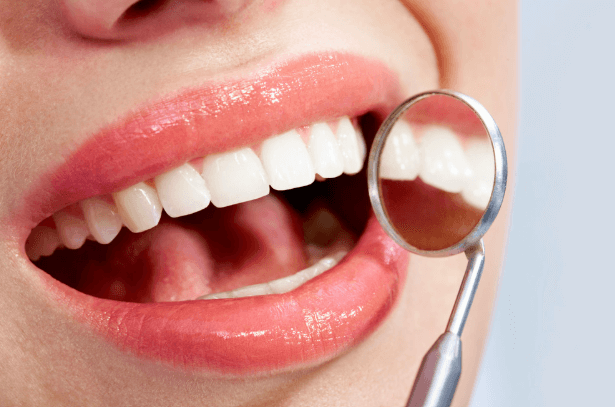
A smile is more than a simple facial expression—it’s a powerful psychological tool that shapes how we see ourselves and how others perceive us. From childhood through adulthood, our smile becomes a core part of our identity. Its appearance, comfort, and health can influence confidence, emotional well-being, and even social success.
Because oral health affects so much more than just the mouth, investing in a healthy smile often leads to better health overall. Understanding the connection between oral health and mindset helps explain why feeling good about your teeth can have such a meaningful impact on self-esteem.
How Oral Health Impacts Emotional Well-Being
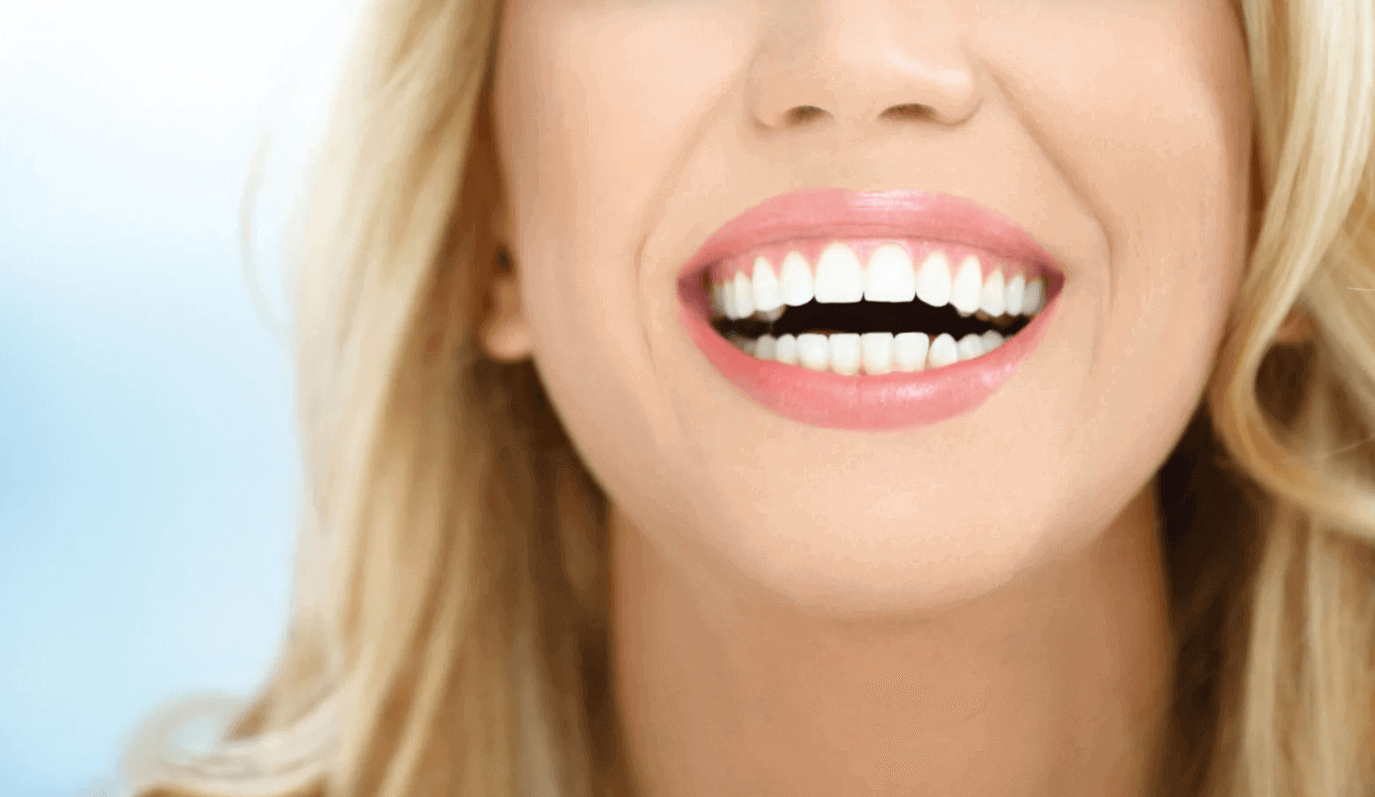
Oral health plays a significant role in how comfortable we feel expressing ourselves. When someone is proud of their smile, they’re more likely to engage socially, speak up, and show emotion freely.
Conversely, concerns like misalignment, discoloration, or discomfort can lead to self-conscious behaviors—covering the mouth, avoiding photos, or suppressing a smile entirely. These habits can slowly chip away at confidence.
For example, orthodontic treatments can provide a major psychological boost. According to Invisalign, for Invisalign to be effective, the aligners must be worn for 20 to 22 hours a day.
While this commitment may seem demanding, the outcome often extends far beyond straighter teeth. Patients commonly report feeling more positive, more motivated toward better health routines, and more comfortable smiling openly. When the mouth feels healthy and aligned, the mind often follows, reinforcing a stronger sense of self-worth.
How Smiles Influence Social Perception and First Impressions
There’s a reason people often say a smile is the first thing others notice. The way our smile looks and feels influences how approachable, trustworthy, and confident we appear. According to PR Newswire, 76% of survey respondents agree that a person’s smile is the most important physical trait when it comes to first impressions. This makes oral health a key factor in social confidence, whether you’re meeting someone for the first time or stepping into a professional setting.
Because smiles carry so much social weight, individuals who feel uncertain about their teeth may avoid smiling altogether. This can unintentionally send signals of discomfort or lack of openness, even when that’s not the case.
On the other hand, a healthy smile can encourage better health choices, better social interactions, and better professional opportunities. When people feel good about their oral appearance, they’re more likely to show warmth, express friendliness, and engage in conversations that help build meaningful connections.

The Role of Dental Insecurities in Self-Esteem
Everyone has features they feel insecure about, but dental concerns can be particularly impactful because they’re so visible. Crooked teeth are the second most common dental insecurity, and many people experience emotional stress tied to the appearance of their smile.
Insecurities like these can influence everything from body language to social behavior. Someone who feels uneasy about their teeth might smile less often, laugh quietly, or avoid interactions where their teeth may be noticed.
Fortunately, addressing these concerns can spark major shifts in self-esteem. Improving alignment, whitening the teeth, or treating gum issues can create not only physical improvements but also mental ones.
Better health habits—regular brushing, flossing, and routine checkups—help reinforce a sense of control and pride. As oral health improves, individuals often notice broader benefits: improved health overall, better health awareness, and a stronger connection between physical well-being and emotional confidence.
Conclusion
A smile is deeply tied to our sense of identity, influencing how we present ourselves and how we connect with the world. When oral health is neglected, it can quietly erode confidence; when it is nurtured, it strengthens emotional resilience and self-esteem.
By prioritizing better health practices, addressing dental concerns, and understanding the psychological impact of smiling, anyone can build a more confident and joyful version of themselves. A healthy smile doesn’t just improve appearance—it enhances life on multiple levels.