Why Investing in Home Comfort Pays Off Over Time
This post contains affiliate links. Click here to read my affiliate policy.
Last Updated on December 29, 2025
Have you ever walked into your house, kicked off your shoes, and thought, Why doesn’t this place feel relaxing? Most people assume that comfort is a luxury. But when life feels like an endless to-do list—between rising prices, work-from-home fatigue, and unpredictable weather—your home should be your recharge zone. Investing in home comfort doesn’t just make life easier today; it can save money, reduce stress, and even support long-term well-being.
The Rise of Homebody Culture
There’s been a massive shift in how we think about our homes. Since the pandemic, remote work, hybrid school schedules, and health concerns have blurred the lines between personal and professional life. The home is no longer just where you sleep—it’s where you live, work, cook, work out, and decompress. And with so much happening inside four walls, comfort has moved from “nice to have” to essential.
The rise in energy-efficient appliances, smart thermostats, and ergonomic furniture isn’t just about modern convenience. It’s about making everyday life smoother and less exhausting. When you’re stuck at home with a cold draft or a broken stove, the frustration adds up. That’s why more people are spending on long-term fixes instead of quick, cheap solutions that wear out in a year.
Where Style Meets Sanity
Upgrading your living space is no longer about showing off a Pinterest-perfect home. It’s about reclaiming a sense of control in a world that often feels unpredictable. Small, intentional changes like better lighting, supportive seating, or noise-reducing window treatments have become popular not for aesthetics alone, but because they help people feel better in their own space.
One growing area of focus is custom bathroom remodeling. Instead of squeezing into outdated tubs or struggling with poor ventilation, homeowners are creating bathrooms that fit their routines and lifestyles. Think spa-style showers that ease muscle tension after a long day or storage setups that make mornings less chaotic. Remodeling isn’t just about luxury; it’s about making everyday experiences more manageable and enjoyable.
Energy Bills Tell No Lies
Let’s talk money. A big reason people avoid upgrading their home is cost. But here’s the thing—poor insulation, leaky windows, and inefficient HVAC systems drain your wallet every single month. The Department of Energy estimates that the average household could save up to 25% on utility bills with basic energy improvements.
This is where comfort meets common sense. Sealing gaps, installing energy-efficient windows, or upgrading your heating system isn’t just good for the environment—it’s smart financial planning. Over time, the savings can outweigh the initial investment. Plus, federal and state programs now offer rebates and tax credits for eco-conscious upgrades, making it easier to take the leap.
Comfort That Grows With You
Think about what comfort means at different stages of life. For young professionals, it might be creating a clutter-free space to focus during Zoom calls. For growing families, it could mean better kitchen flow or kid-friendly flooring. And for aging homeowners, comfort is about accessibility—grab bars, walk-in showers, and wider doorways.
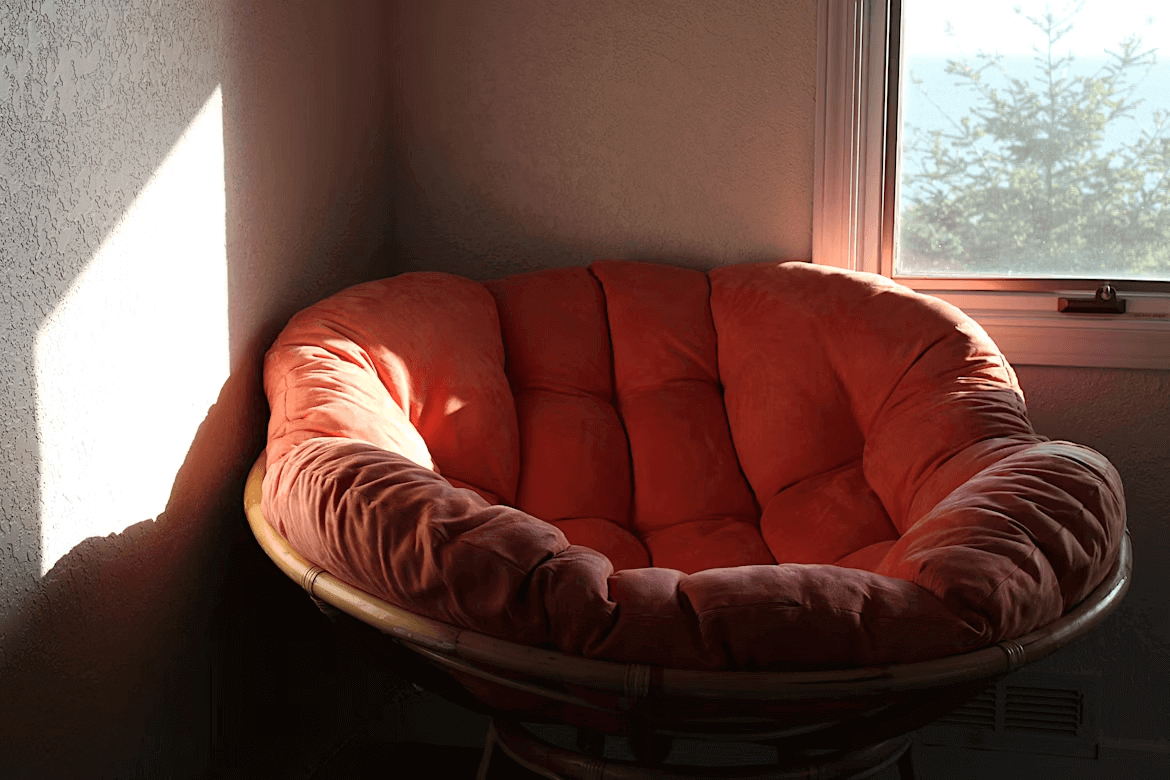
Designing your home with these stages in mind adds lasting value. It reduces the chances you’ll have to move or do expensive retrofitting later. Universal design is trending for a reason: it blends beauty with function so everyone, from toddlers to grandparents, can feel at home without sacrificing style.
Less Stress, More Health
You may not notice it right away, but physical surroundings affect mental health. Crowded spaces, bad lighting, and constant noise can slowly chip away at your mood. On the flip side, natural light, soft textures, and personalized spaces create calm.
Take indoor air quality, for example. It’s not something we think about until it becomes a problem, but poor ventilation can lead to headaches, fatigue, or allergies. Investing in air purifiers or upgraded filtration systems doesn’t just help you breathe easier—it helps you think more clearly and sleep more soundly.
And let’s not forget temperature control. Being too hot or too cold isn’t just uncomfortable—it can interfere with concentration, rest, and even digestion. Comfort upgrades like zoned thermostats or radiant floor heating improve quality of life in ways you notice every day.
Home Value Isn’t Just Curb Appeal
A comfortable home is a desirable home. Buyers are increasingly looking for properties that feel “move-in ready” and livable, not just photogenic. That means functional kitchens, reliable systems, and quiet rooms matter just as much—if not more—than flashy finishes.

In competitive markets, comfort-forward upgrades like smart lighting, insulation, or modern bathrooms can set your property apart. These improvements signal that the home has been well cared for, which builds buyer confidence. And if you’re planning to stay put, you’re still winning. Your space works better for you and adds to your overall satisfaction.
Time Is the New Luxury
Between juggling work, family, and self-care, people don’t want to waste time fiddling with broken fixtures or constantly adjusting room temperatures. A well-designed, comfortable home supports daily life instead of getting in the way.
Want to cook more meals at home? A layout with functional appliances and intuitive storage helps. Trying to relax after work? A cozy reading nook or updated HVAC makes all the difference. These aren’t frivolous wants—they’re tools that save time, reduce friction, and make everyday routines less exhausting.
Comfort doesn’t mean perfection. It means fewer unnecessary obstacles in your day.
The Hidden Cost of “Just Dealing With It”
Here’s where irony steps in. People often delay comfort upgrades because they think it’s more responsible to tough it out. But doing nothing can cost more in the long run—financially, physically, and emotionally.

An uncomfortable home slowly wears on you. The clutter you never address keeps stressing you out. The draft you ignore keeps raising your bills. The stiff chair you work in keeps giving you back pain. You might not notice it happening at first, but over time, all those little discomforts pile up.
Choosing to invest in home comfort is not indulgent—it’s preventative. It’s about protecting your time, your health, your energy, and your finances from the daily wear and tear that adds up when your space isn’t working for you.
A comfortable home doesn’t fix everything, but it gives you a better foundation to face whatever else life throws at you. And in a world where unpredictability is the norm, that’s a pretty solid return on investment.