How Your HVAC System Can Affect Indoor Air Quality and Health
This post contains affiliate links. Click here to read my affiliate policy.
Last Updated on September 4, 2026
Your HVAC system does more than just regulate temperature—it plays a crucial role in maintaining healthy indoor air quality. As homes become more energy-efficient, the need for a well-functioning HVAC system grows.
Poor indoor air quality can contribute to various health issues, such as respiratory problems, allergies, and even fatigue. Fortunately, with the right maintenance and air filtration, your HVAC system can help reduce pollutants, allergens, and other harmful particles in the air.
In this article, we’ll explore how your HVAC system affects both your comfort and your health, offering tips for improving air quality in your home.
The Effects of Humidity Levels on Health and Comfort
Humidity levels in your home can have a significant impact on both health and comfort. When humidity is too high, it can encourage mold growth, dust mites, and bacteria, which can exacerbate allergies and asthma. On the other hand, low humidity levels can lead to dry skin, irritated airways, and even dehydration.
Finding the right balance is key to creating a healthy and comfortable indoor environment. According to Global Market Insights, almost 88% of U.S. households have air conditioning, which is one of the main systems that can regulate humidity levels, helping to maintain a comfortable atmosphere inside.
The Role of Air Filters in Improving Indoor Air Quality
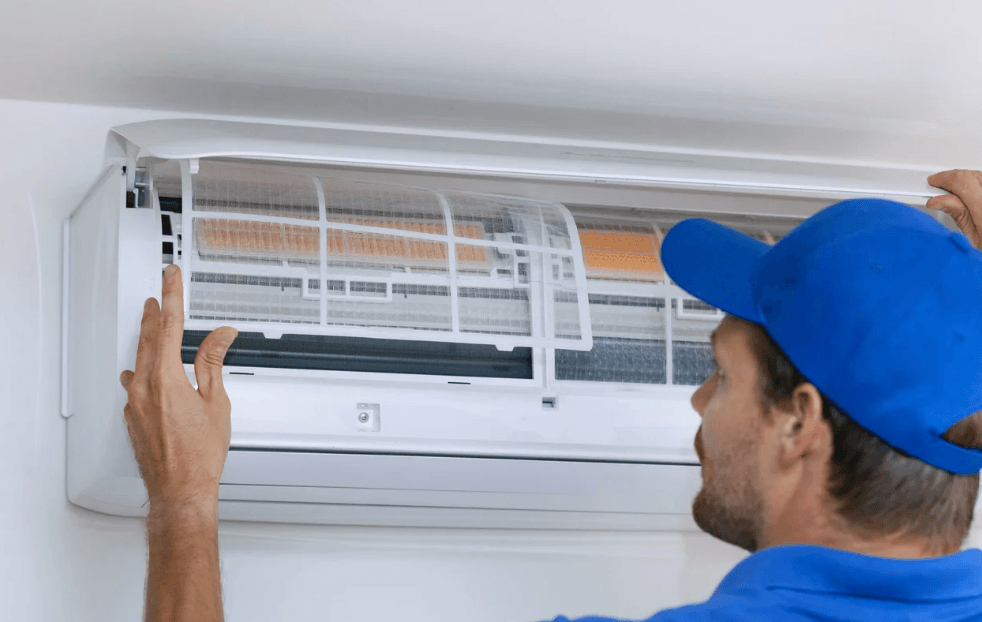
Air filters are one of the most important components of your HVAC system when it comes to maintaining clean indoor air. They trap dust, dirt, pollen, and other airborne particles, preventing them from circulating throughout your home.
Regularly replacing your air filters is essential for both the health of your HVAC system and the quality of the air you breathe. According to WebinarCare, simply replacing the air filters every few months, for example, you can reduce your air conditioner’s energy consumption by 5 to 15%. In addition, it ensures that your system runs efficiently, keeping the air clean and reducing allergens.
How HVAC Systems Contribute to Allergen Control
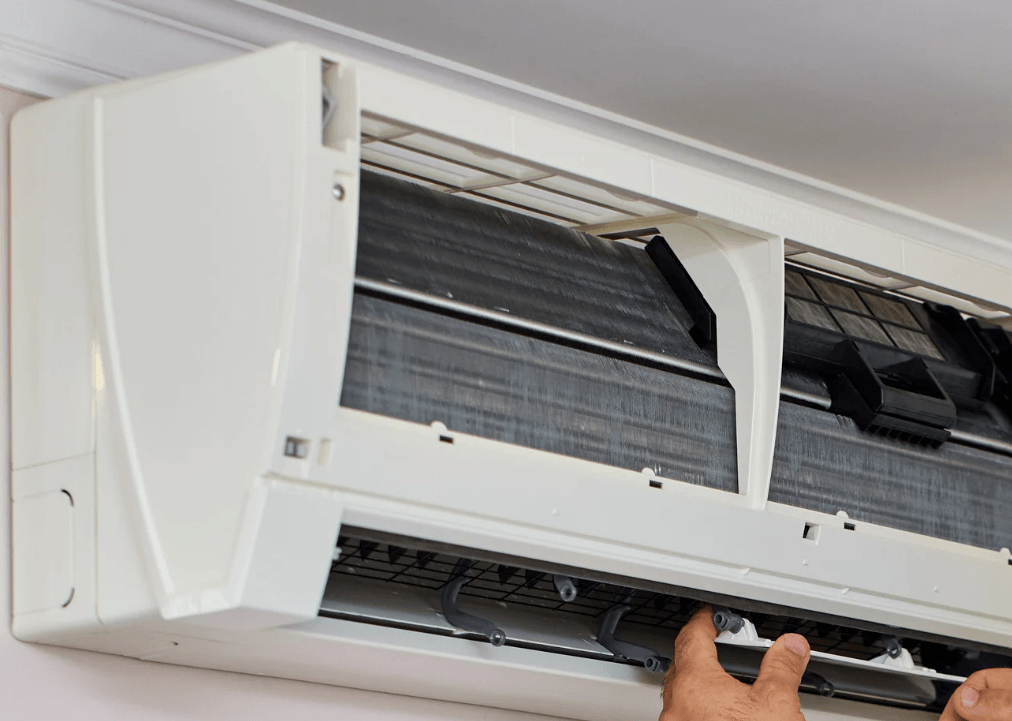
HVAC systems are also essential for controlling allergens in your home. They can help filter out dust, pet dander, mold spores, and other common allergens, which can significantly improve the quality of the air you breathe.
Proper maintenance of your HVAC system, including changing filters regularly and cleaning ducts, can reduce the presence of these allergens and improve your health. According to This Old House, well-maintained HVAC systems typically last between 15 to 20 years. A long-lasting system ensures continued allergen control and contributes to better air quality throughout the life of the system.
Your HVAC system plays a vital role in maintaining a healthy home environment by controlling humidity, improving air quality, and reducing allergens. By investing in regular maintenance, replacing air filters, and ensuring the system is properly designed, you can create a more comfortable and healthier living space. It also helps to watch for potential signs of mold, such as persistent musty odors, visible growth around vents, or recurring moisture near HVAC components, so problems can be investigated before they become more difficult to address.
With almost 88% of U.S. households using air conditioning, it’s clear that HVAC systems are essential for both comfort and health. By taking steps to optimize your system, you can breathe easier, save energy, and maintain a more pleasant indoor environment for years to come.