America’s Quiet Garden Revolution and the Return to Real Food
This post contains affiliate links. Click here to read my affiliate policy.
Last Updated on April 7, 2026
Something is changing in American backyards, balconies, and community spaces. More people are growing their own food, and it is becoming part of a healthier way of living. What started as a small shift has turned into a meaningful return to real, whole foods.
As someone who cares deeply about what goes on my plate, this movement feels exciting and necessary. People want fresh ingredients, fewer processed foods, and more control over their meals. Growing your own food brings all of that together in a simple and rewarding way.
More Americans Are Growing Their Own Food Than You Think
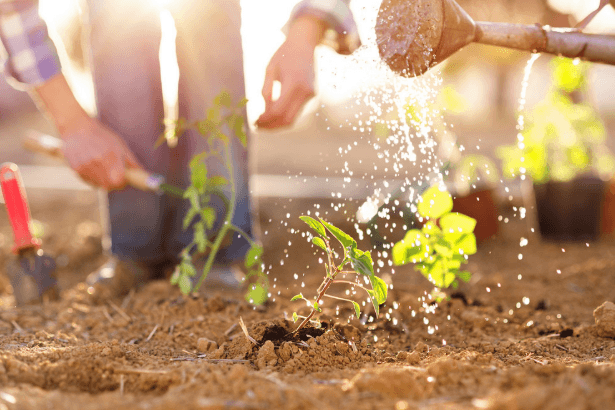
The numbers tell a clear story. According to Fact. Mr., 35% of American households either grow food at home or participate in community gardens — that’s roughly one in three families choosing to take their nutrition into their own hands. What’s fueling it? A mix of rising food prices, renewed interest in clean eating, and a post-pandemic appetite for self-sufficiency that never quite went away.
Community gardens, in particular, have become unexpected social hubs. Neighbors who might never have crossed paths are now sharing soil, seeds, and harvests. For urban dwellers without yard space, these shared plots offer more than produce; they offer belonging. The garden, it turns out, is one of the few places where the clean living movement and community spirit genuinely overlap.
What You Grow Pairs Perfectly With What You Cook
A productive garden naturally pulls you toward the kitchen and toward building meals around whole, nutrient-dense ingredients. Homegrown tomatoes, herbs, and leafy greens pair beautifully with proteins like wild-caught salmon, which brings its own impressive nutritional profile to the table.
According to Healthline, a single serving of cooked salmon delivers 127% of an adult’s recommended daily vitamin D intake, making it one of the most efficient natural sources of the nutrient available.
That matters more than most people realize. Vitamin D deficiency is widespread in the U.S., and many people don’t know they’re running low until symptoms appear. Rather than defaulting to supplements, pairing a clean diet with foods like salmon is a practical, food-first solution. A garden-fresh tomato salad alongside a well-seasoned salmon fillet isn’t just a satisfying meal — it’s genuinely good nutrition.
Heirloom Varieties Are Having a Moment
Not all tomatoes are created equal, and home growers are increasingly discovering the difference. While supermarket shelves are dominated by varieties bred for shelf life and uniformity, gardeners are reaching back into history for something better.
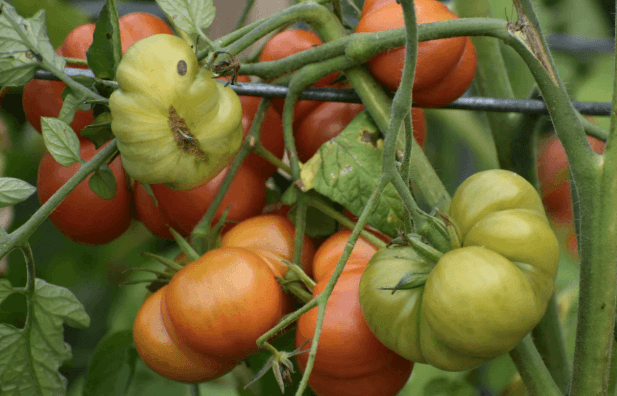
The Arkansas Traveler, a tomato variety dating back to the pre-1900s, according to Better Homes and Gardens, is one example that’s found renewed popularity among home growers who value flavor over appearance.
What makes heirloom varieties like this one worth growing? Taste is the obvious answer, but there’s also the appeal of growing something with a story. These varieties survived because they performed; they’re often more heat-tolerant, crack-resistant, and flavorful than their modern counterparts. In a world of optimized, standardized produce, there’s something quietly rebellious about planting a tomato that’s been passed down for over a century.
The Bigger Picture
America’s garden revolution isn’t loud, but it is deliberate. It’s playing out one raised bed, one community plot, and one heirloom seed packet at a time. People are rethinking where their food comes from, what it’s worth, and how it connects to the way they want to live.
This growing interest in home gardening is about more than saving money or picking up a new hobby. It reflects a deeper shift toward real food and intentional living. More people are choosing ingredients they trust, meals they prepare themselves, and a lifestyle that supports long-term health.
Whether it is harvesting Arkansas Traveler tomatoes from your backyard or cooking a simple salmon dish with fresh herbs, the goal is the same. Eat better, feel better, and stay connected to your food. That is a change worth keeping.