Eat Your Way to Ease: How Everyday Anti-Inflammatory Foods Can Transform Adult Wellness From the Inside Out
This post contains affiliate links. Click here to read my affiliate policy.
Last Updated on January 26, 2026
Some mornings start with creaky joints. Some evenings end with a tired brain that feels like it’s running on fumes. Food isn’t the cure for everything, but the right mix of ingredients can make each day feel a little steadier. This kind of eating isn’t about perfection — it’s about filling your plate with foods that help your body recover, think clearly, and handle stress with more ease.
How Everyday Foods Shape the Way We Feel
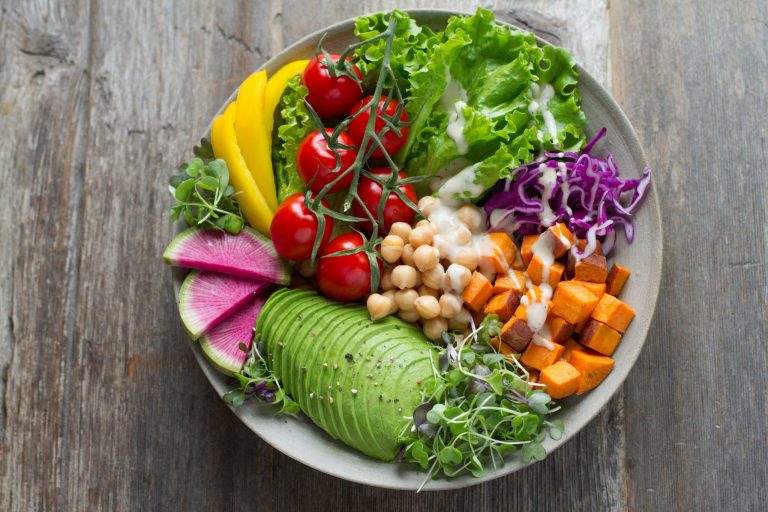
Whole foods carry nutrients that quietly support the body’s systems. Colorful produce, natural fats, herbs, and proteins do more than satisfy hunger — they influence how the body manages inflammation, repairs tissues, and balances energy.
Simple examples that support wellness:
- Fatty fish for omega-3s
- Leafy greens for minerals and antioxidants
- Berries for polyphenols
- Olive oil and nuts for healthy fats
These foods help soften inflammation, which often shows up as stiffness, fatigue, or general discomfort. Even a small change—like swapping sugary breakfasts for eggs and greens or adding salmon once a week—can bring more steadiness to your day, forming the foundation of an anti-inflammatory diet that supports overall wellness.
Nourishing the Body While Easing Chronic Pain
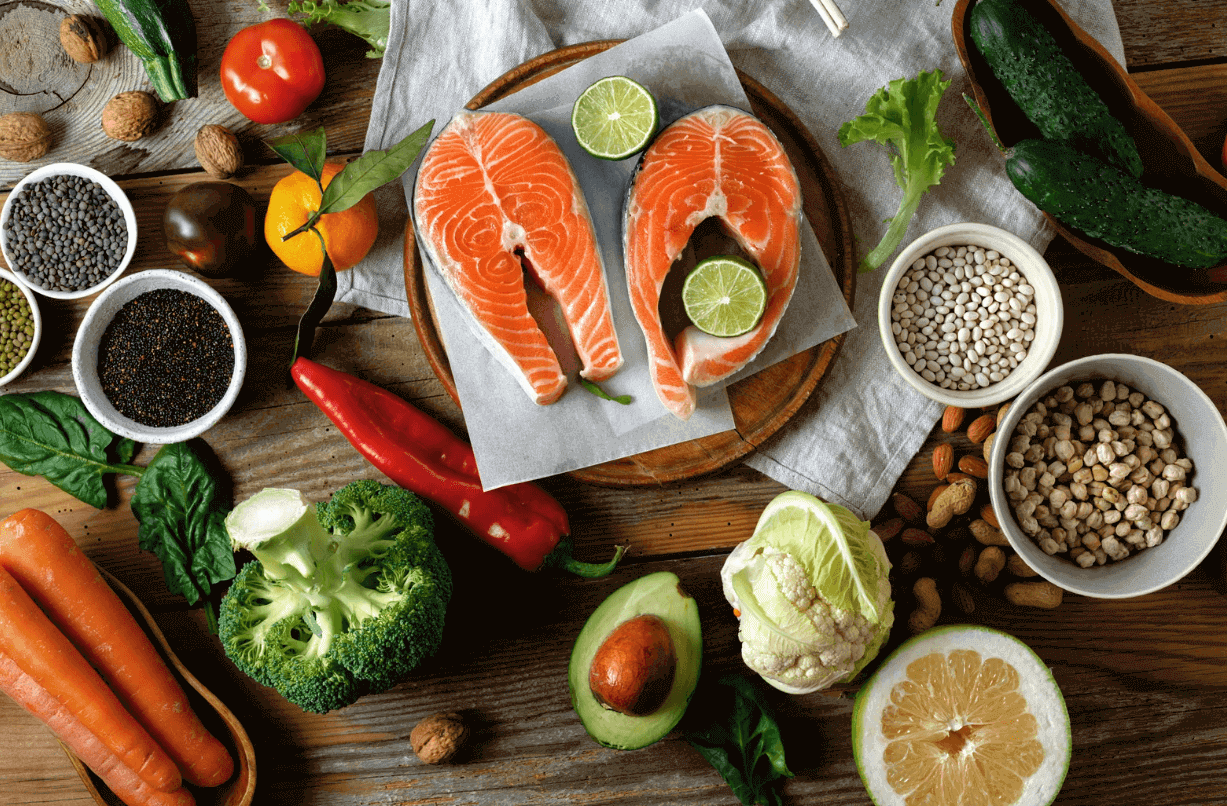
Plenty of adults juggle chronic aches, whether from sitting too long, working on their feet, or managing old injuries. Many rely on oral pain relievers, which can help, but they’re not the only tool available. Anti-inflammatory meals can offer support from inside the body, helping reduce the intensity of flare-ups.
Helpful ingredients for pain support:
- Turmeric, ginger, garlic
- Leafy greens and cruciferous veggies
- Nuts, seeds, chia, and flax
- Salmon, sardines, trout
- Beans and whole grains
A ginger-turmeric soup, roasted vegetables with garlic, or a simple salmon dinner can make a noticeable difference over time.
For discomfort in specific spots — tight shoulders after gardening, a sore lower back, tired knees — some adults use topical pain relief products for localized support. When these aches stem from mild muscle strain, understanding how to speed up muscle strain recovery can complement topical care and help ease symptoms more effectively. These options work on the area that needs attention without affecting the rest of the body
Using both food and topical care creates a gentle balance: nourishment from the kitchen and relief where the body asks for it most.
Foods That Support Recovery and Physical Activity
Whether the day includes a workout, a long walk, or chasing kids around, muscles appreciate nutrients that help them heal. Recovery isn’t only for athletes — anyone who wants to stay active benefits from foods that reduce inflammation and restore energy.
Supportive choices include:
- Lean proteins (fish, beans, eggs, poultry)
- Omega-3 fats
- Antioxidant-rich fruits like cherries and blueberries
- Electrolyte sources: bananas, oranges, coconut water
- Carbohydrates from whole grains or sweet potatoes
If movement plays a big role in your routine, you may prefer a more personalized approach. A nutritionist near me can help shape recovery meals around your schedule, energy levels, and goals.
Many people find this guidance helpful, especially when they want steady energy without feeling drained by midday.
Food, Focus, and Emotional Steadiness
The brain responds quickly to what we eat. Meals that support balanced blood sugar tend to steady mood, sharpen attention, and reduce those afternoon “slumps.” Proteins, whole grains, and healthy fats are particularly helpful here.
Nutrients that encourage mental clarity:
- Omega-3s from fish, walnuts, chia
- B-vitamins from whole grains and beans
- Magnesium from greens, seeds, and dark chocolate
- Vitamin D sources like salmon or fortified foods
These foods don’t replace medical care for neurodevelopmental conditions. Adults living with ADHD sometimes need structured strategies or medication to stay on track. When medication becomes part of someone’s plan, it must be guided by a licensed clinician. Some platforms offer a same day Adderall prescription, though this requires a full evaluation and ongoing follow-up.
Food alone doesn’t solve everything, but it can support the brain by smoothing out energy dips and helping mood stay more stable throughout the day.
Comforting Foods and Emotional Wellness
A calming meal or snack can settle the body in a way that feels grounding. Magnesium-rich foods like pumpkin seeds, spinach, almonds, and black beans play a role in relaxation. Tryptophan-containing foods — oats, eggs, and turkey — help support the body’s natural mood pathways. Warm teas with chamomile, ginger, or lavender create a soothing moment in busy evenings.
Emotional wellness also grows from routines and relationships. Some people feel more balanced when they share life with emotional support animals, since their presence brings structure, companionship, and consistency to the day—an idea explored further in this guide to building a healthy ESA routine.
Pairing these emotional routines with supportive foods creates a foundation that nurtures both body and mind.

When Nutrition Guidance Becomes Helpful
Everyone’s body works differently. What energizes one person might leave someone else feeling sluggish. That’s where personalized nutrition guidance makes a difference. A trained professional can review habits, preferences, health concerns, and lifestyle needs to build a plan that fits — not one that feels restrictive.
Working with a nutritionist near you can help uncover nutrient gaps, organize meals around anti-inflammatory choices, and support long-term health goals in a way that feels realistic.
Instead of guessing what to eat, you get support that adapts with you.
A Gentle Wrap-Up
Balanced eating doesn’t require complicated recipes or strict rules. Simple, everyday foods — berries, greens, herbs, beans, nuts, fish, and olive oil — offer steady support for inflammation, energy, and emotional well-being. When these foods show up regularly, the body often responds with more ease. One small shift at a time is enough to create meaningful change.