From Germs to Slips and Falls: Everyday Household Hazards (and How Safety Source Helps You Prevent Them)
This post contains affiliate links. Click here to read my affiliate policy.
Last Updated on December 19, 2025
Home is supposed to be our safe place – the cozy bubble where we relax, raise families, and shut out the chaos of the world. But the reality is, many of the risks we worry about “out there” are quietly lurking right inside our front door.
Germs on doorknobs, slippery floors after bath time, cluttered stairs, harsh cleaning chemicals within a toddler’s reach… these everyday hazards don’t look dramatic, but they’re exactly the kinds of things that lead to preventable injuries and illnesses.
The good news: a safer home doesn’t require a full renovation or a color-coded safety manual. A few smart habits, a little awareness, and some basic safety supplies can go a long way.
Let’s walk through the most common household hazards and what you can do—room by room—to keep your family healthier and safer.
1. Invisible Invaders: Germs and Bacteria
We can’t see them, but we definitely feel the impact when germs take over. Colds, stomach bugs, and other infections often spread from the most ordinary surfaces.
High-Touch Surfaces That Need Extra Love
Think about how many times these spots are touched each day:
- Doorknobs and light switches
- Faucet handles and toilet flush levers
- Refrigerator and microwave handles
- TV remotes, phones, and tablets
- Railings and cabinet pulls
These surfaces are like “germ bus stops” where bacteria and viruses can hang out until someone else comes along.
Simple Ways to Reduce the Spread
- Make handwashing non-negotiable. Aim for 20 seconds with soap and water, especially before eating, after using the bathroom, and after being out in public.
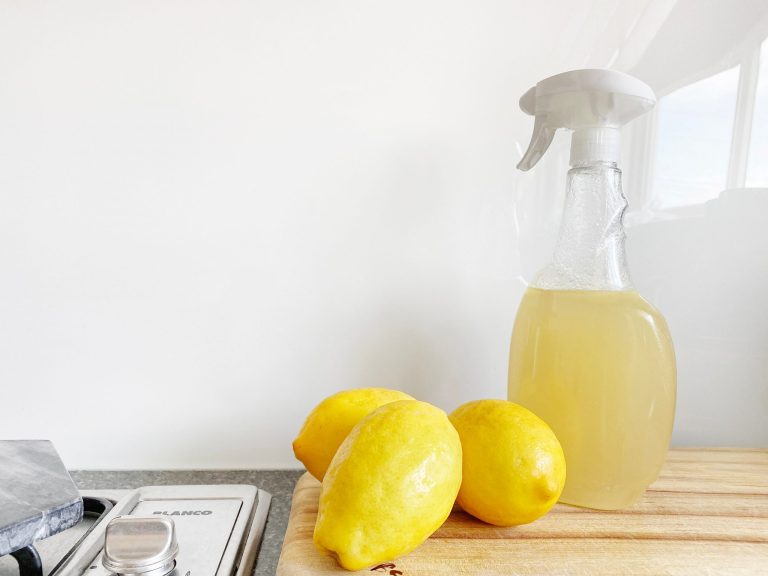
- Use disinfectants correctly. Many disinfectant sprays and wipes require a certain “dwell time” (the surface needs to stay visibly wet for a set number of minutes) to actually kill germs. Check the product label instead of just a quick swipe and dry.
- Rotate deep-clean days. You don’t need to scrub the entire house daily. Focus on high-touch zones a few times a week and build it into your routine, like wiping down bathroom fixtures every Sunday and kitchen handles every Wednesday.
If you prefer professional-grade cleaning supplies or EPA-registered disinfectants, companies like safetysourcellc.com offer options typically used in workplaces and facilities that can also work well at home when used as directed.
2. Slips, Trips, and Falls (Especially with Kids and Older Adults)
Falls are one of the leading causes of injuries at home for both young children and older adults. They often happen in spaces we move through on autopilot:
- Bathroom floors
- Stairs and steps
- Entryways on rainy or snowy days
- Kitchen floors after spills
Bathroom: Small Room, Big Risks
The bathroom seems harmless until you combine water, smooth tile, and soap. Consider:
- Non-slip bath mats inside and outside the tub or shower.
- Grab bars near the shower and toilet, especially for older family members or anyone pregnant, recovering from surgery, or with mobility challenges.
- Good ventilation to reduce moisture buildup and mold, which can make surfaces even more slippery.
Stairs and Entryways
- Clear the clutter. Shoes, toys, laundry baskets, and bags on stairs are a major trip hazard. Make it a rule: nothing lives on the steps.
- Use sturdy handrails on both sides of the stairs if possible.
- Add non-slip treads or grip tape on slick steps, especially if you have hardwood or polished surfaces.
- Dry entry mats inside and out to soak up rain and snow before it gets tracked throughout the house.
Even something as simple as making sure everyone wears well-fitting, non-slip house shoes instead of slippery socks on hard floors can cut down on falls.
3. Chemical and Cleaning Product Safety
We want our homes to smell fresh and look sparkling clean, but many common cleaning products can be dangerous if swallowed, inhaled in large amounts, or splashed in the eyes.
Products to Handle With Care
- Bleach and ammonia
- Oven cleaners and drain openers
- Concentrated disinfectants
- Laundry pods and detergents
- Automotive and garage chemicals
Safer Storage Habits
- Lock it up or place it high. Keep cleaning products out of reach of children and pets, ideally in a locked cabinet or on a high shelf.
- Keep products in original containers. Never pour chemicals into drink bottles or unmarked containers. This is a major source of accidental poisonings.
- Avoid mixing chemicals. Bleach and ammonia, for example, can create dangerous fumes when combined. Stick to one product at a time per cleaning task.
For many families, upgrading to child-resistant containers or using clearly labeled, purpose-made spray bottles can make day-to-day cleaning feel more controlled and less risky. Some retailers, including Safety Source, also carry personal protective equipment like gloves and masks that you can use if you’re handling stronger cleaners or disinfectants.
4. Kitchen Hazards: Cuts, Burns, and Cross-Contamination
The kitchen is the heart of the home—and also one of the easiest places to get hurt or sick.
Preventing Cuts and Burns
- Keep pot handles turned inward so little hands can’t grab them and you’re less likely to bump them.
- Use oven mitts, not dish towels. Towels can slip or have damp spots that conduct heat faster.
- Store knives safely. Use a block, magnetic strip, or drawer insert instead of leaving sharp blades loose in a drawer or sink.
Food Safety Basics
- Separate cutting boards for raw meat and fruits/veggies to avoid cross-contamination.
- Check fridge temperature. Aim for 40°F (4°C) or below to slow bacterial growth.
- Refrigerate leftovers promptly, within 2 hours of cooking (1 hour if it’s very warm in the house).
A basic pair of cut-resistant gloves, an inexpensive food thermometer, and dedicated chopping boards can dramatically reduce the risk of both injuries and foodborne illness.
5. Air Quality and Respiratory Health
We think a lot about what we eat and drink, but the air we breathe at home matters just as much.
Common Indoor Air Issues
- Dust and pet dander
- Mold and mildew from damp basements or bathrooms
- Smoke from cooking or candles
- Strong chemical fumes from paint or cleaners
Easy Ways to Breathe Easier
- Open windows when possible to let fresh air flow. Even a few minutes can help.
- Use exhaust fans in kitchens and bathrooms to pull out moisture and fumes.
- Change HVAC and furnace filters regularly according to the manufacturer’s instructions.
- Fix leaks and dry spills quickly to prevent mold growth.
If someone in your household has allergies, asthma, or a chronic respiratory condition, consider talking to their healthcare provider about whether masks or air purifiers might be helpful in certain situations, like during deep cleaning or home projects.
6. Building a Safer Home Routine (That You’ll Actually Stick To)
Safety can feel overwhelming if you try to tackle everything at once. Instead, think of it as a gradual upgrade.
Here’s a simple way to start:
- Pick one room per week. Walk through slowly and look at it through the eyes of a toddler, an older adult, or someone who’s tired and rushing. What could go wrong?
- Choose 2–3 small improvements. Maybe it’s adding a bath mat, picking up a non-slip rug pad, organizing cleaners, or clearing the stairs.
- Create a short “safety checklist.” Include weekly tasks like disinfecting high-touch surfaces, checking for cluttered walkways, and making sure smoke detectors and nightlights are working.
- Get the whole family involved. Kids can help put toys away to keep floors clear, teens can help wipe down light switches and remotes, and partners can do quick fall-risk checks or restock basic supplies.
Over time, these small changes add up to a home that not only looks clean and cozy, but also quietly protects the people you love most.

Final Thoughts
You don’t need to live in fear of every germ or spill, and you don’t need to turn your house into a fortress. But paying attention to everyday household hazards—especially germs, slips and falls, and unsafe cleaning practices—can reduce stress, prevent injuries, and keep your household healthier.
A safer home is really about mindful routines, a bit of planning, and making thoughtful choices about the products and tools you bring in. When you combine those with a little common sense, your home can remain the comfortable, welcoming space it’s meant to be—without the hidden risks.