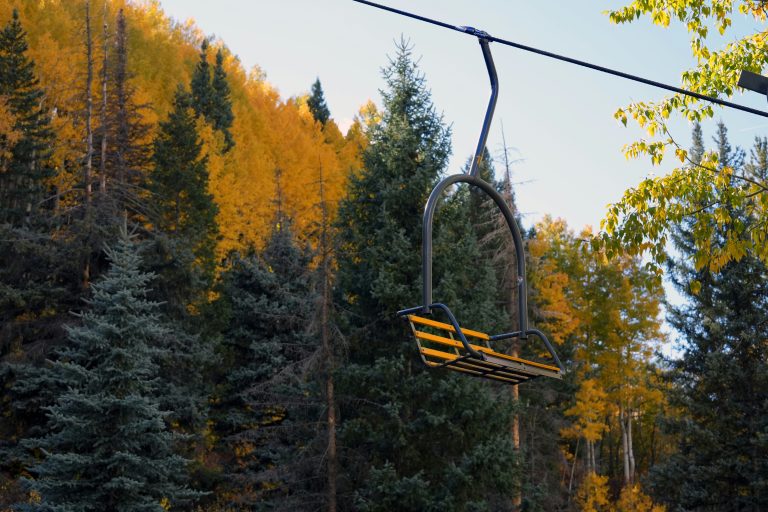
How to Balance Rest and Adventure on Family Trips
This post contains affiliate links. Click here to read my affiliate policy.
Last Updated on February 27, 2026
Ever come home from vacation more tired than when you left?
It’s the classic family travel trap. You plan every detail, pack snacks like a pro, create color-coded itineraries, and still end up with cranky kids, exhausted parents, and a suitcase full of laundry no one wants to deal with. The reason? Too much doing, not enough downtime.
As more families focus on quality time and meaningful experiences, the travel conversation is shifting. People don’t just want to see the sights. They want trips that restore them, not drain them. This change is part of a larger trend: travel as a lifestyle investment. And with remote work, flexible school schedules, and a renewed focus on health, families are rethinking how to make their vacations actually feel like a break.
In this blog, we will share smart, practical ways to balance rest and adventure so your family trips are energizing, memorable, and, most importantly, balanced.
Choose Stays That Let You Breathe
One of the easiest ways to set the tone for your trip is where you stay. Location matters. But so does space, comfort, and the ability to slow down between activities.
For example, if you’re traveling through scenic areas like Gatlinburg TN, look for places that give you a home base without feeling like just another room with furniture. Spacious rentals with kitchens, separate sleeping areas, and outdoor space make it easier to rest and recharge.
That’s why choosing condos in Gatlinburg TN can be such a smart move. The best option? Olde Gatlinburg Place. Not only do you get the comforts of home—full kitchens, private balconies, and room to spread out—but you’re also walking distance from local attractions and trolley stops. That means you can enjoy big adventures one minute, then head back for a nap, a snack, or just some quiet time before heading out again. It’s a simple upgrade that gives your itinerary more flexibility and your family a better rhythm.
Don’t Schedule Every Minute
It’s tempting to try to do it all. After all, who knows when you’ll be back? But squeezing every attraction into every hour quickly turns fun into fatigue. The more rigid your plan, the less space you leave for unexpected joys—or much-needed pauses.
The fix is simple: schedule around anchor experiences. Pick one main activity for each day and build flexibility around it. Leave room to wander. Give yourself permission to skip things. If the kids love the pool and want a second swim session, let it happen. If you discover a local spot that isn’t on your list, go check it out. Some of the best memories come from unplanned moments.
This kind of loose structure doesn’t mean less fun. It means fewer meltdowns, more energy for the highlights, and the ability to enjoy the moment instead of rushing to the next thing.
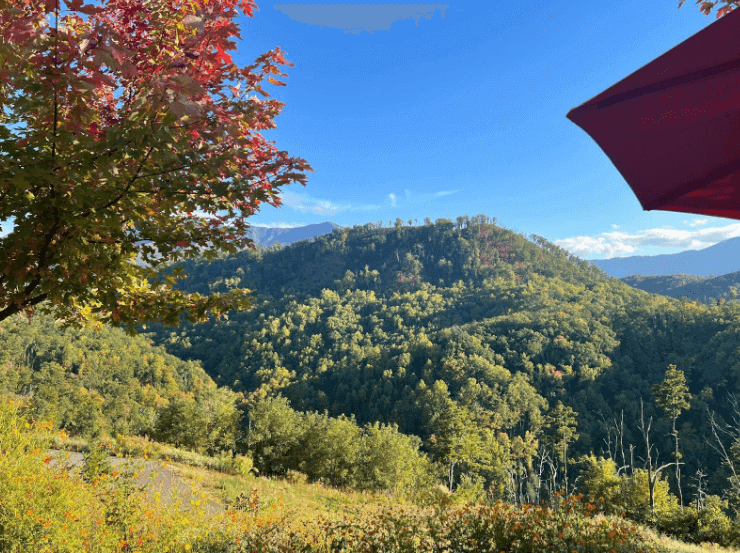
Make Rest Part of the Adventure
Rest doesn’t have to mean boredom. Sometimes, it’s about changing the pace, not stopping completely. An afternoon hike with great views can feel both relaxing and exciting. A scenic chairlift ride, a nature trail with wildlife sightings, or a peaceful picnic can be just as memorable as any big-ticket attraction.
You can also mix high-energy and low-energy days. Pair a big adventure day (like theme parks or mountain coasters) with a chill day at the pool, a drive through a national park, or a casual downtown stroll.
The goal is to keep everyone’s energy balanced. Rest can still feel like part of the fun if you choose activities that allow for exploration without exhaustion.
Know Your Family’s Limits
Every family has a different travel style. Some love early mornings and full days. Others need slower starts and quiet evenings. Pay attention to your group’s natural rhythms. If your kids are wiped out by 2 p.m., that’s not failure—it’s a clue. That’s often the signal to swap a packed afternoon for a relaxed activity or downtime back at your stay. Listening to those cues can turn a stressful day into one everyone actually enjoys.
Trying to match someone else’s itinerary doesn’t make your trip better. It just increases the chance of burnout. Trust what works for your family. Set realistic expectations. That might mean skipping something “must-see” in favor of something that just feels right in the moment.
It also helps to plan breaks before people start falling apart. Midday rest periods or early dinners can reset everyone’s mood. Vacations aren’t a test of endurance. They’re a chance to feel good together. And often, the best memories happen when you’re not rushing to make one.

Focus on Meaningful Moments, Not Constant Motion
One of the biggest changes in family travel is the move from “checklist tourism” to experience-driven travel. Parents are realizing that their kids won’t remember every landmark—but they will remember how they felt on the trip.
It’s the slow breakfasts on the balcony, the games played in the car, the silly inside jokes that come from getting lost. These are the moments that matter most, and they often happen when you aren’t rushing.
So instead of filling every day with constant movement, make space for togetherness. Play a game. Watch the sunset. Sit around and talk. These moments aren’t breaks from the trip. They are the trip.
Use Travel to Build Balance at Home
One hidden benefit of balancing rest and adventure on vacation is that it carries over into daily life. When families experience a well-paced trip, they come home more energized, not just physically—but emotionally.
It sets a tone. It reminds everyone that breaks are important. That not every day has to be packed to be valuable. And that sometimes, the best thing you can do is nothing at all.
That’s the kind of travel that lingers in the best way. Not because you saw everything. But because you felt connected, rested, and glad you went.
And that’s the real win. A trip that gives you memories and momentum, long after the bags are unpacked.