
Mindful Gardening: Simple Daily Practices for Inner Peace
This post contains affiliate links. Click here to read my affiliate policy.
Last Updated on December 22, 2025
Mindful gardening brings together the physical joy of growing plants and powerful mental health benefits. Research shows that 20 minutes in nature can reduce stress and anxiety levels by a lot. We’ve found that this intentional approach to gardening gives you more than just beautiful blooms or fresh vegetables.
The practice focuses on being fully present while you tend to your mindful garden. The Mayo Clinic defines mindfulness as “a type of meditation in which you focus on being intensely aware of what you’re sensing and feeling in the moment, without interpretation or judgment”. This awareness helps turn everyday garden tasks into moments of inner peace. Green spaces also improve your physical health markers like blood pressure, heart rate, and cortisol levels.
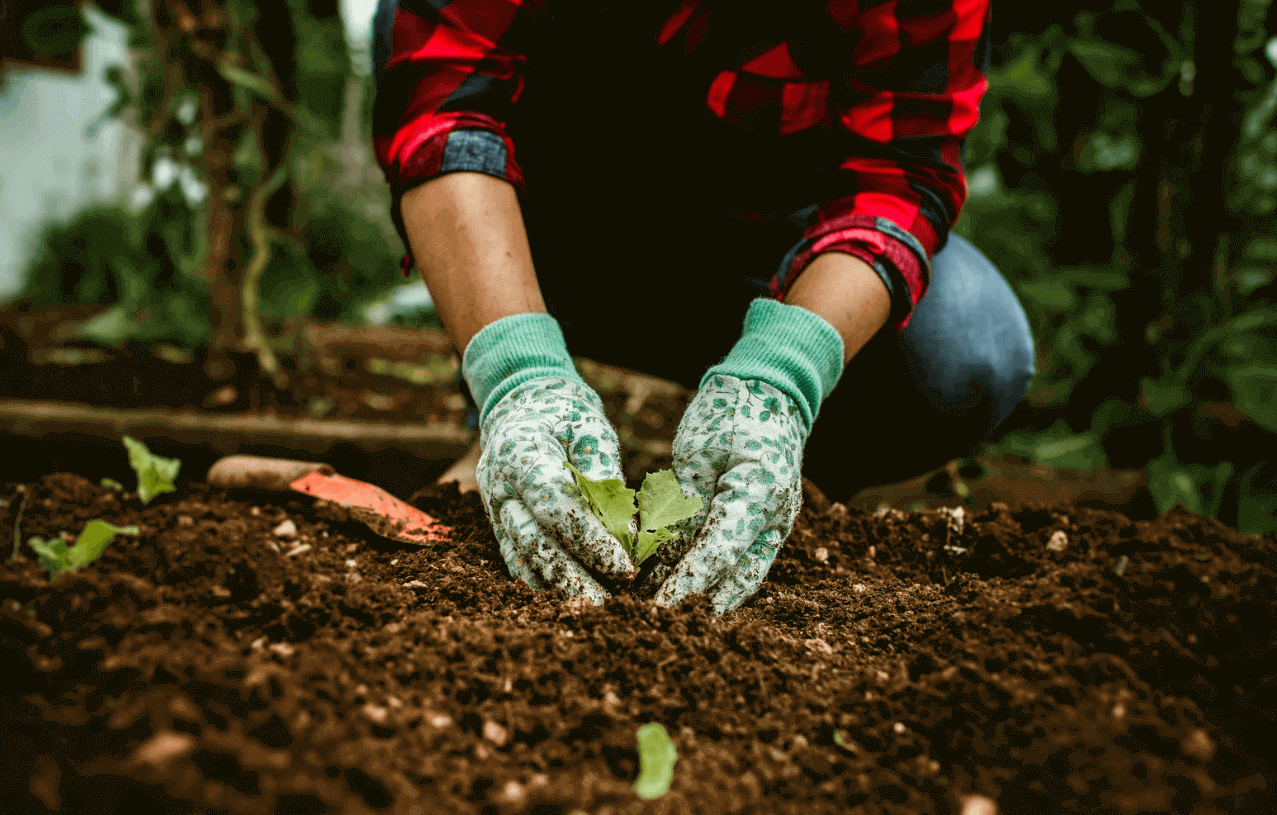
Build a Daily Mindful Gardening Routine
A consistent mindful gardening practice begins with dedicated time slots. Morning sessions ground me and set a positive tone for the day ahead. But your schedule might work better with a lunch break or Sunday morning routine.
Leave your phone inside before you step into the garden. This brief digital break helps reset your mind and keeps distractions away from your mindful moments.
Your garden experience deepens when you use all five senses:
- Hearing: Close your eyes and count the distinct sounds around you – birds chirping, wind through leaves, distant flowing water
- Touch: Let your bare feet connect with the garden soil
- Smell: Rub plant leaves gently between your fingers and breathe in their scent deeply
- Sight: Study one plant’s intricate details – its leaf textures, veins, colors
- Taste: Savor an edible leaf or fruit slowly if you grow them
This sensory routine strengthens your nature connection and reduces stress while improving overall well-being. Simple tasks like deadheading flowers or picking berries become meditation sessions with complete attention.
Weeding turns into a powerful mindfulness exercise that calms your nervous system, especially when you focus on the present moment.
Let Go of Goals and Embrace the Process
Mindful gardening brings joy not from perfect results, but from living each moment with your plants. Traditional gardening focuses on yields and looks, but mindful gardening values the experience more than the end result.
Scientists have found that showing gratitude while gardening helps mental health significantly. It reduces depression, anxiety, and stress levels. You could try this: whenever you eat something from your garden, use it as a moment to feel grateful. The pleasure doubles – first when you eat, and again when you look back.
Showing gratitude in your garden creates stronger relationships and better physical and mental health. Your sleep quality improves, and negative feelings like frustration and envy decrease. On top of that, it helps you understand others better and feel good about yourself.
Mindful gardening teaches us to accept imperfection. Weeds will always be part of gardening, just like challenges are part of life. Yes, it is amazing how a blooming garden makes us grateful and connects us to nature’s seasons.
Nature shows us how things change all the time. This understanding helps us accept changes in other parts of our lives. So when we focus on the process instead of results, we learn valuable lessons about impermanence that fit perfectly into everyday life.
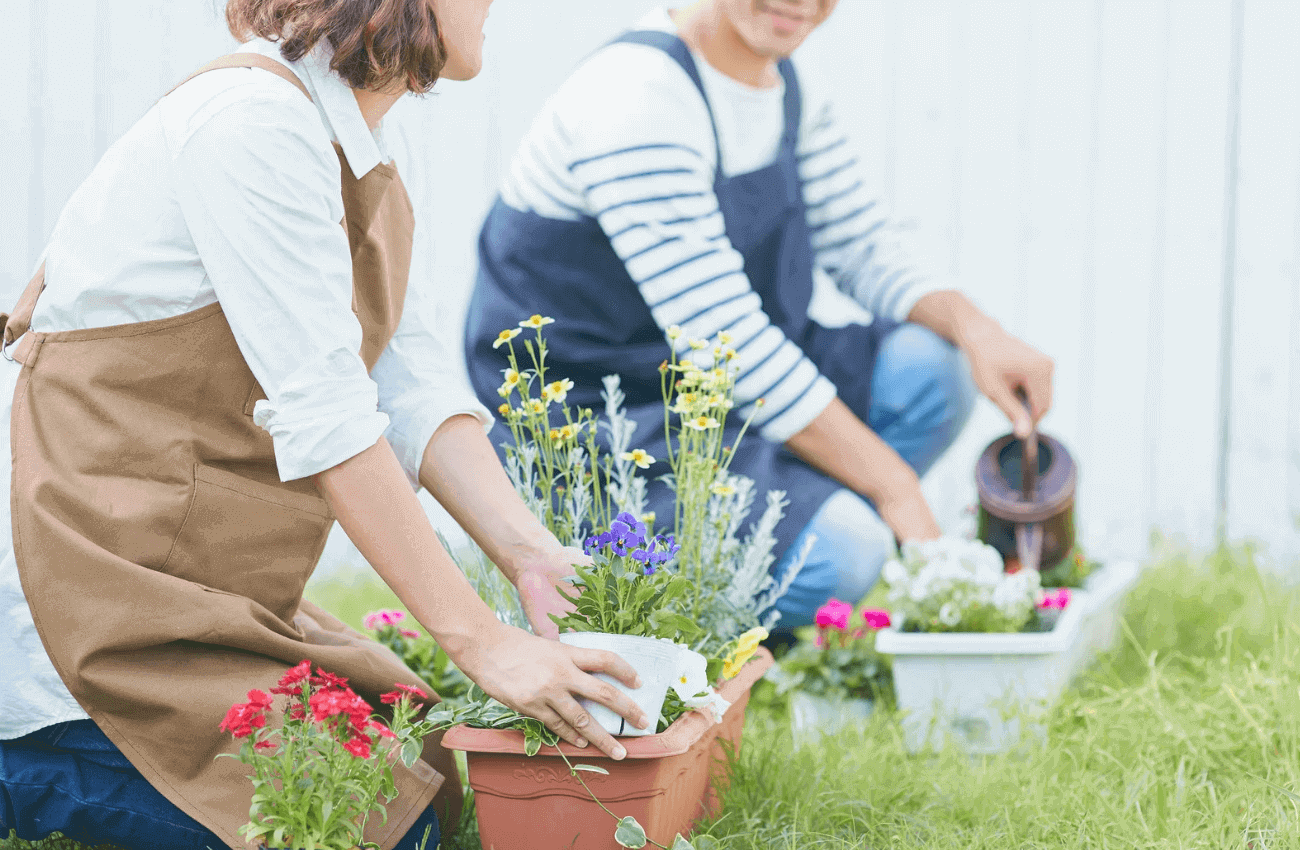
Designing a Mindful Garden That Supports You
A mindful garden’s environment shapes your practice deeply. Your space should involve all five senses to create deeper connections with nature and boost your wellbeing.
Plants with different sensory qualities deserve your attention. Research shows lavender can reduce anxiety by up to 35%, while rosemary helps with memory recall. Soft lamb’s ear or feathery yarrow plants invite gentle exploration through touch. Natural sounds flow through tall grasses rustling in the breeze, and wind chimes help mask road noise.
Environmentally responsible gardening practices matter most. Studies link traditional glyphosate-containing herbicides to a 41% higher risk of non-Hodgkin’s lymphoma. You can opt for safer options like vinegar solutions (5-30% acetic acid) or iron-based sprays for broadleaf weeds. Simple mulching works too, increasing organic matter by 17%.
Native plants create secluded spots perfect for reflection. You can set up an inviting meditation area with circular seating and a small side table, or install a simple stone slab mini-patio.
Cool-colored blooms like agastache, lavender, and nepeta soothe your eyes and attract pollinators, bringing life to your mindful garden. These natural elements turn routine gardening tasks into meaningful mindfulness opportunities.
Conclusion
Mindful gardening gives us a way to find inner peace through simple daily practices anyone can adopt. Of course, physical activity combined with mental presence creates a powerful tool to reduce stress and anxiety. People who spend just 15 minutes daily on this practice can change their relationship with nature and themselves.
Several approaches to mindful gardening deserve attention. A consistent routine helps establish the practice, and you can use all five senses while tending to plants. The joy comes from the process rather than fixating on outcomes once you let go of perfectionism. This change in view teaches valuable lessons about impermanence that apply to everyday life challenges.
A garden space that supports mindfulness helps improve our experience. Plants that stimulate our senses create deeper connections to the natural world and provide many health benefits. These thoughtful elements make routine gardening tasks meaningful opportunities to be present and reflect.
Mindful gardening ended up becoming more than a hobby—it evolved into a daily practice to cultivate inner peace. The benefits remain profound whether you care for an extensive garden or nurture a few potted plants on a windowsill. The true harvest from our mindful gardens grows not from the soil but from within ourselves. We grow among our plants and develop deeper roots of presence, purpose, and tranquility in our everyday lives.