
What We Get Wrong About Emotional Resilience
This post contains affiliate links. Click here to read my affiliate policy.
Last Updated on January 19, 2026
Emotional resilience has become a popular phrase in mental health conversations. We hear it at work, in therapy spaces, and across social media. People praise resilience as the ability to “stay strong,” “push through,” or “bounce back fast.”
But many of these ideas miss the truth.
Emotional resilience is not about toughness, denial, or endless positivity. When misunderstood, resilience can actually harm people by encouraging emotional suppression and self-blame.
This article explores the most common myths about emotional resilience, what science actually says, and what healthy resilience truly looks like in real life.
What Emotional Resilience Really Means
Emotional resilience is the ability to adapt to stress, adversity, and emotional pain while staying connected to yourself and others. It allows you to experience difficult emotions without being overwhelmed or shutting down.
According to the American Psychological Association (APA), resilience involves behaviors, thoughts, and social supports that help people recover from hardship—not avoid it (APA, 2023).
Resilience is a process, not a personality trait.
Myth 1: Emotionally Resilient People Don’t Struggle
One of the biggest misunderstandings is that resilient people do not feel pain.
The Truth
Resilient people still experience:
● Anxiety
● Grief
● Fear
● Anger
● Emotional exhaustion
The difference is not whether they struggle, but how they respond to struggle.
Research published in Psychological Science shows that emotionally resilient individuals feel emotions deeply but recover more effectively because they allow emotions to move instead of suppressing them (Psychological Science, 2019).
Resilience includes emotional honesty—not emotional numbness.
Myth 2: Resilience Means Pushing Through No Matter What
Many people believe resilience means staying productive at all costs. This belief often shows up as overworking, ignoring limits, and dismissing emotional needs.
The Truth
Constantly pushing through stress actually reduces resilience.
The World Health Organization (WHO) recognizes burnout as a result of unmanaged chronic stress, not a lack of resilience (WHO, 2019). When people ignore exhaustion in the name of strength, they increase the risk of burnout, anxiety, and depression.
True resilience includes knowing when to pause, rest, and ask for help.
Myth 3: Emotional Resilience Is the Same as Willpower
Willpower focuses on effort. Resilience depends on capacity.
The Truth
Emotional resilience relies heavily on:
● Nervous system regulation
● Emotional safety
● Social support
● Access to resources
According to Neuroscience & Biobehavioral Reviews, chronic stress reduces emotional and cognitive capacity, making willpower an unreliable tool for coping (Neuroscience & Biobehavioral Reviews, 2020).
You cannot force your nervous system to recover through effort alone.
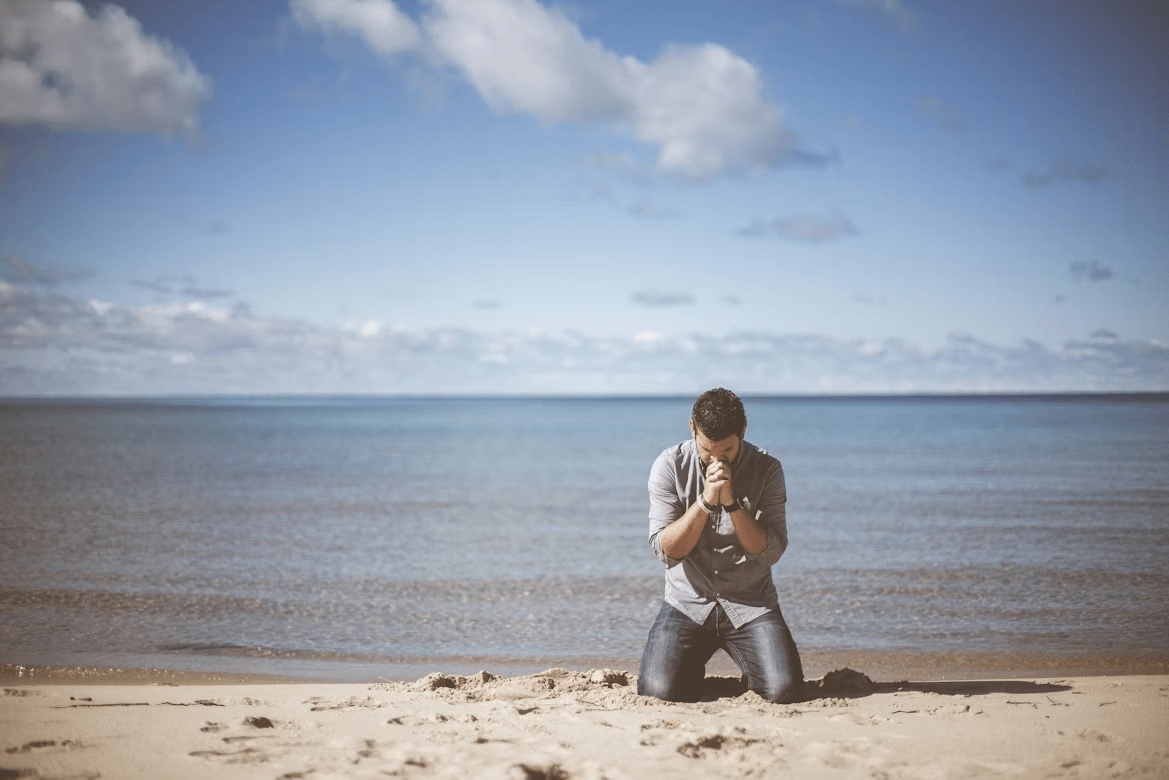
Myth 4: If You’re Still Struggling, You’re Not Resilient
Many people judge their resilience by how quickly they “get over” hardship.
The Truth
Healing timelines vary widely.
The National Institute of Mental Health (NIMH) reports that recovery from stress and trauma depends on factors like past experiences, support systems, and ongoing safety—not personal strength (NIMH, 2023).
Struggling longer does not mean you lack resilience. It often means you have carried more.
Myth 5: Resilience Means Staying Positive
Toxic positivity often disguises itself as resilience.
Statements like:
● “Look on the bright side”
● “Everything happens for a reason”
● “At least it’s not worse”
can invalidate real pain.
The Truth
Resilience allows space for negative emotions.
A study in Frontiers in Psychology found that emotional suppression increases stress hormones and reduces emotional regulation, while emotional acceptance improves resilience (Frontiers in Psychology, 2021).
Healthy resilience includes anger, sadness, and grief—without shame.
Myth 6: Resilient People Don’t Need Support
This myth causes more harm than most people realize.
The Truth
Resilience grows in connection, not isolation.
The Substance Abuse and Mental Health Services Administration (SAMHSA) highlights social support as one of the strongest predictors of emotional resilience and recovery (SAMHSA, 2020).
People who seem resilient often have:
● Supportive relationships
● Access to therapy
● Safe environments
They are rarely doing it alone.
How Misunderstanding Resilience Harms Mental Health
When resilience is misunderstood, people:
● Blame themselves for burnout
● Hide emotional pain
● Delay seeking help
● Normalize chronic stress
This leads to worse outcomes.
According to the Centers for Disease Control and Prevention (CDC), prolonged stress without support significantly increases the risk of anxiety, depression, and substance use disorders (CDC, 2022).
Calling exhaustion “resilience” does not make it healthy
What Emotional Resilience Actually Looks Like
Healthy resilience is quieter and more flexible than most people expect.
Signs of Real Emotional Resilience
● Feeling emotions without shutting down
● Recovering after emotional setbacks
● Setting boundaries without guilt
● Asking for help when needed
● Resting without shame
● Adjusting expectations during hard times
Resilience does not remove pain. It helps you move through it with care.
How Emotional Resilience Develops
Resilience is shaped by experience, not character.
Factors That Support Resilience
● Emotional safety in childhood
● Secure relationships
● Trauma-informed care
● Access to mental health resources
● Time to rest and recover
The World Health Organization emphasizes that resilience strengthens when basic needs and emotional safety are met—not through pressure or comparison (WHO, 2022).
This means resilience can be built at any stage of life.
Building Emotional Resilience the Healthy Way
1. Regulate the Nervous System
Resilience starts in the body.
Helpful tools include:
● Slow breathing
● Grounding exercises
● Gentle movement
● Mindfulness
These practices reduce stress hormones and restore emotional balance.

2. Practice Self-Compassion
Self-compassion supports emotional recovery.
A review in Clinical Psychology Review found that self-compassion lowers anxiety, depression, and emotional exhaustion while increasing resilience (Clinical Psychology Review, 2020).
Being kind to yourself is not indulgent—it is protective.
3. Normalize Support
Support is not a failure of resilience. It is a core part of it.
Therapy, peer support, and trusted relationships strengthen emotional regulation and long-term coping
4. Redefine Strength
Strength is not silence.
Strength is not endurance at all costs.
Strength is responding to pain with awareness instead of avoidance.
Why Comparing Resilience Is Unfair
Everyone carries a different load.
Someone who appears resilient may have:
● Less trauma history
● More financial stability
● Stronger support systems
The Journal of Traumatic Stress shows that cumulative trauma significantly impacts emotional recovery and resilience capacity (Journal of Traumatic Stress, 2019).
Comparison ignores context—and context matters.
Final Thoughts: Resilience Is About Care, Not Hardness
We get emotional resilience wrong when we treat it as toughness instead of adaptability.
Real resilience:
● Makes room for pain
● Honors limits
● Values connection
● Allows rest
● Grows through care
If you feel tired, sensitive, or slower to recover, it does not mean you lack resilience. It means your nervous system may need safety, support, and compassion—not more pressure.
Resilience is not about how much you can endure.
It is about how well you are supported while you heal.
References
● American Psychological Association (2023). Building resilience
● World Health Organization (2019). Burn-out an occupational phenomenon
● World Health Organization (2022). Mental health and well-being
● National Institute of Mental Health (2023). Stress and trauma-related disorders
● Substance Abuse and Mental Health Services Administration (2020). Social support and recovery
● Centers for Disease Control and Prevention (2022). Stress and mental health
● Psychological Science (2019). Emotion regulation and resilience
● Frontiers in Psychology (2021). Emotional acceptance and resilience
● Clinical Psychology Review (2020). Self-compassion and mental health
● Neuroscience & Biobehavioral Reviews (2020). Stress, capacity, and recovery
● Journal of Traumatic Stress (2019). Cumulative trauma and resilience