Boudin Noir & Toulouse Sausage: How to Cook Two French Classics
This post contains affiliate links. Click here to read my affiliate policy.
Last Updated on December 25, 2025
If you want comfort food that feels both rustic and special, French cuisine has a perfect two-piece: boudin noir and toulouse sausage. One is rich and silky (blood sausage with warm spices), the other is juicy and herby (a garlicky pork sausage that’s the backbone of cassoulet and winter cooking). Together, they cover weeknight dinners, dinner parties, and holiday tables—depending on how you serve them.
This article breaks down what each sausage is, how to cook it properly (without splitting casings or drying anything out), what to serve with it, and the flavors that make them shine.
What is Boudin Noir?
Boudin noir is a French-style blood sausage. It’s typically made with pork blood, fat, onions, and seasoning, creating a texture that’s tender and almost custardy when heated correctly. The flavor is deep, savory, and slightly sweet—especially when paired with apples, caramelized onions, or mashed potatoes.
What it tastes like (for newcomers)
If someone in your group is hesitant, describe it like this:
- rich like pâté
- savory like slow-cooked meat
- balanced by sweetness when served with fruit or onions
What is Toulouse Sausage?
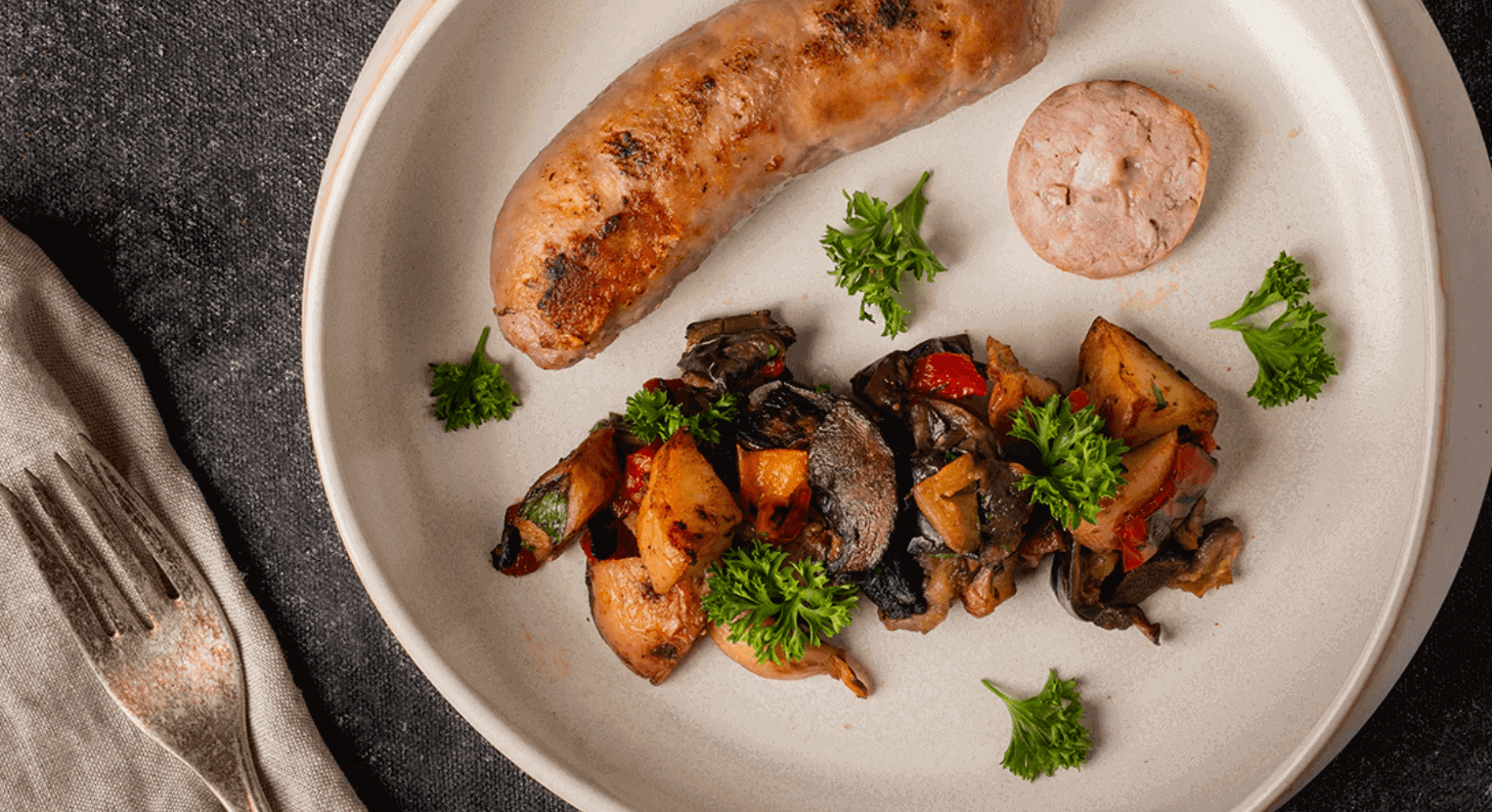
Toulouse sausage is a classic French pork sausage, commonly seasoned with garlic, pepper, and sometimes herbs. It’s known for being juicy and coarsely ground, which makes it ideal for braises, bean dishes, and sheet-pan dinners.
It’s famous in southwestern cooking and often appears in cassoulet—but it’s also excellent grilled or pan-seared.
Buying tips: How to Choose Good Versions of Each
For boudin noir
Look for:
- a smooth, even casing with no helpfully “puffy” air pockets
- a dark, uniform interior (if visible at the counter)
- minimal leaking or wetness
For toulouse sausage
Look for:
- visible fat marbling (that’s what keeps it juicy)
- a firm but not rock-hard texture
- a clean, meaty smell (no sourness)
How to Cook Boudin Noir (without it bursting)
This is the most common mistake: too much heat too fast. Blood sausage has a delicate structure and can split if it’s shocked.
Method 1: Gentle pan-warm (best texture)
- Bring it closer to room temp for 10–15 minutes.
- Heat a pan on low to medium-low with a small amount of fat.
- Cook slowly, turning carefully, 6–10 minutes total depending on thickness.
- Rest for 2 minutes before slicing.
Tip: If you want crispness, you can finish with a brief higher-heat sear at the end—but the first phase should be gentle.
Method 2: Oven warm (hands-off)
- Preheat to 160–175°C.
- Place on a tray, add a small splash of water (helps humidity).
- Warm 10–15 minutes, then finish in a hot pan for color.
How to Cook Toulouse Sausage (juicy every time)
Because it’s a fresh pork sausage, the goal is fully cooked inside without drying the casing.
Method 1: Pan-sear + steam (foolproof)
- Brown on medium heat with a little oil, turning often (4–5 minutes).
- Add a splash of water, cover, and let it steam 6–10 minutes.
- Uncover to evaporate and re-crisp the casing.
This gives you the best of both worlds: color + juiciness.
Method 2: Roast (easy for groups)
- Oven at 200°C.
- Roast 18–25 minutes depending on thickness, turning once.
- Add vegetables (onions, carrots, potatoes) for a one-pan meal.
Classic Pairings That MakeThem Taste “French”
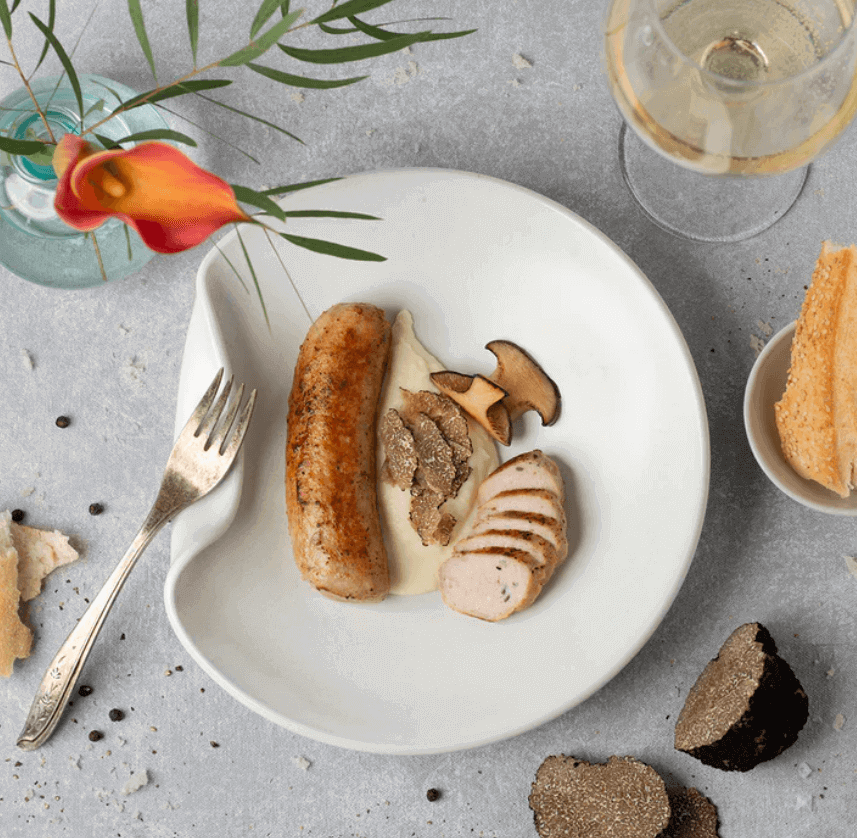
These sausages love the same supporting cast: sweetness, acidity, and earthy sides.
Pairings for boudin noir
- apples (sautéed or baked)
- caramelized onions
- mashed potatoes
- lentils
- mustard (sparingly)
- bitter greens (arugula, endive)
Pairings for toulouse sausage
- white beans / cassoulet-style beans
- lentils with herbs
- roasted potatoes
- cabbage (braised or sautéed)
- grainy mustard
- a bright salad (to cut richness)
Timing note
Cook lentils first, keep warm. Then do apples (they hold well). Finally cook sausages last so they arrive hot and glossy.
Wine (and non-wine) Pairings
With boudin noir
- Pinot Noir: light tannin, high drinkability
- Beaujolais: fruit-forward, great with apples
- Dry cider: classic and perfect
With toulouse sausage
- Côtes du Rhône: peppery reds love garlic sausage
- Malbec: if you like fuller reds
- Saison beer: dry and food-friendly
Non-alcoholic
- sparkling apple juice (with boudin noir)
- black tea (cuts richness)
- sparkling water with lemon (keeps the palate fresh)
Leftovers: what to do with extras
Boudin noir leftovers
- crumble into a pan with onions and serve over potatoes
- add to an omelet with herbs
- use as a “rich topping” on toast with caramelized onion
Toulouse sausage leftovers
- slice into beans or lentils
- add to a tomato stew with chickpeas
- sheet-pan reheat with vegetables for a fast meal
FAQ
Is boudin noir supposed to be mushy?
It should be tender, not watery. Gentle heat keeps it cohesive.
Can I grill these?
Toulouse sausage grills well. Boudin noir can, but it’s riskier—use low heat and be gentle.
Do I need mustard?
Optional. It’s great with toulouse sausage; use lightly with boudin noir so it doesn’t overpower.
Closing
These two sausages are peak winter comfort: deep flavor, simple methods, and endless serving options. Once you cook them gently and pair them smartly, they become staples—not “special occasion only” foods.