The Most Expensive Recipe I’ve Ever Made
This post contains affiliate links. Click here to read my affiliate policy.
Last Updated on March 4, 2026
Anyone can think about fine dining while planning all of it in their head. The true test of ability is in getting the ingredients, understanding the techniques, and doing the cooking. I have been there, and this is an interesting story of the most expensive recipe I have ever made; one that includes lobster tails, bluefin tuna, scallops, imported saffron, and organic sides.
This is not just a story like any other; it is a detailed guide of what I got right, areas to improve on, and lessons others can get from my cooking.
The Reason I Chose a Fine-Dining Seafood Dinner and Not Something Else
I wanted to create a restaurant-level meal without the restaurant, and this was part curiosity and part challenge for me. On the curiosity part, I wanted to confirm if the high cost of premium seafood had any real impact on flavor. This curiosity and challenge turned out to test every bit of cooking skill I had.
Cooking this type of meal, I watched in disbelief as the grocery total climbed past $500. It forced me to confront how easily a kitchen project can balloon past its intended price. I had to think carefully about cash help for budget gaps to cover unexpected budget shortfalls and balance the overspent food budget. That moment, when premium ingredients turned a simple idea into a serious financial commitment, shaped every choice I made as I tried to balance ambition with practicality.
Buying premium seafood requires planning because freshness matters more than any seasoning you will use later. I sourced the proteins from a specialty market with same-day delivery. The prices made me pause, but careful selection helped reduce risk:
- Lobster tails with clear shells and no fishy scent
- Bluefin tuna with a deep red color and a firm texture
- Dry scallops free from added liquids
Each item costs more than I usually spend on a week’s groceries, but I wanted quality that would hold up under simple cooking methods.
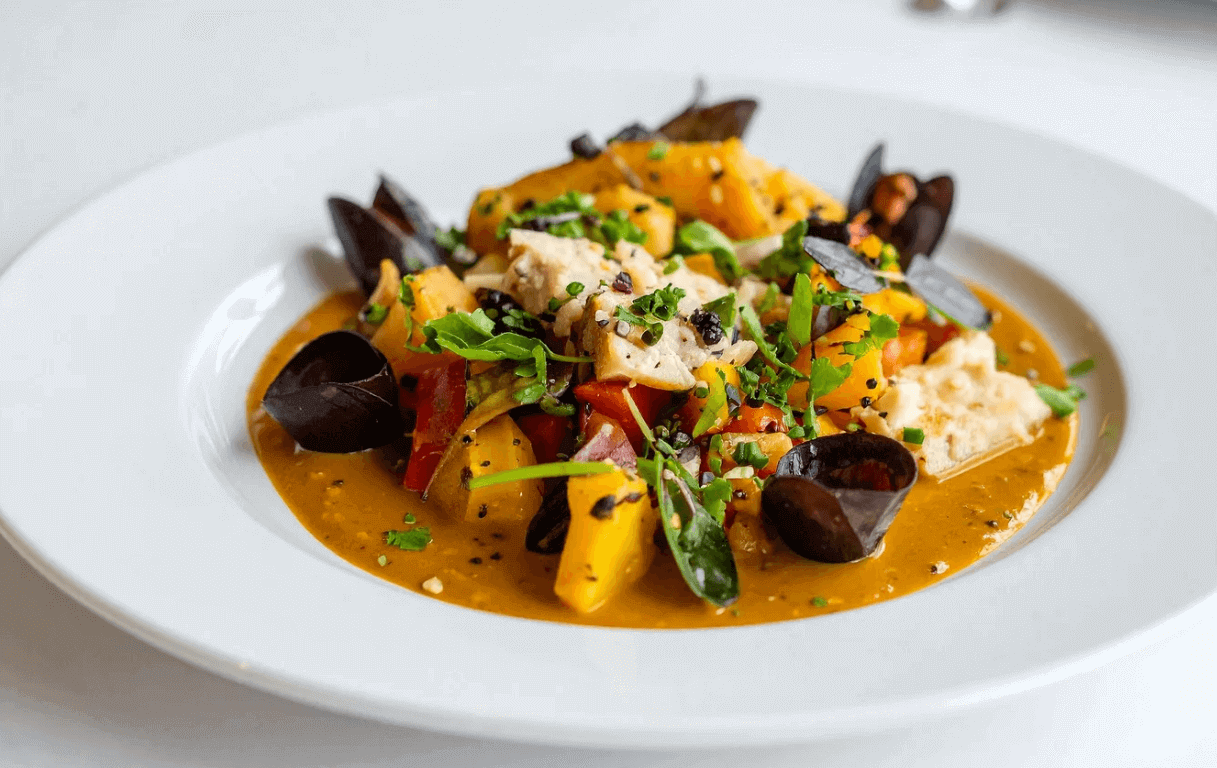
The Saffron That Challenged My Budget and Prepping the Menu
Imported saffron was the smallest item in the cart yet carried the largest price-per-ounce shock. I bought a few grams, enough for a rice dish and a light infusion, which was just what I wanted. Quality saffron has a floral, honey-like aroma and releases a deep golden color quickly.
The rice acted as the grounding element for the meal, and that was a great choice. I bloomed the saffron in warm water for ten minutes, then added it to the pot with stock and aromatics.
Bluefin tuna turns tough if cooked even slightly past medium-rare. The texture held firm but tender, and the biggest surprise was how little seasoning it needed. Bluefin has a richness that sits somewhere between butter and the clean flavor of ocean salt. Scallops, though small, react instantly to heat, and dry scallops sear better because no added liquid interferes with browning. They turned golden quickly and stayed sweet rather than rubbery.
A major challenge I experienced in this process was plating everything while still hot and juggling through all the different proteins. Chopped aromatics, pre-measured spices, and a clean counter rescued me from chaos more than once.
Was the Recipe Worth It?
Yes, it was for many reasons other than the ones I expected. Aside from the flavor turning out to be a great choice, I also experienced firsthand how varying ingredients work together at a higher quality level. From this experience, my regular everyday cooking improved as I learned the importance of attention to detail.
Practical advice for anyone who wants to attempt a high-cost dinner at home: consider the following:
- On your first attempt, two premium proteins will probably be better than three.
- Draft a comprehensive cooking plan before turning on the cooker.
- Choose simpler recipes over complicated ones when getting started.
- Reputable sellers who specialize in seafood should be your go-to.
With these, you can reduce the stress that comes with cooking and protect the investment made into it.

You Might Ask, Would I Do It Again?
Not often, but yes, because a meal like this works best as an occasional project rather than a routine. It was both a memorable experience that saw me trying out something I had never done before and an educational one where I learned a lot of new things. Cooking this way forces you to slow down, pay attention, and treat your kitchen like the most important room in the house.
A Meal Worth the Investment
The most expensive recipe I ever made was not one that was done to impress guests; it was a personal challenge I set for myself. Every step of the process was a learning point for me about ingredients, techniques, and attention to detail. It has not only helped shape my cooking skills, but also means I now get to eat better meals, trying out many other recipes.