The Ultimate Guide to Home Renovation
This post contains affiliate links. Click here to read my affiliate policy.
Last Updated on January 28, 2026
Ever decide to “just update the bathroom” and end up ripping out half your house instead? One minute you’re buying paint, the next you’re arguing over floor tile samples you didn’t know existed. Renovation has a way of snowballing fast and if you’re not careful, your budget, timeline, and sanity will all vanish in the drywall dust.
In this blog, we will share what you need to know before taking on a home renovation project from start to finish.
Renovation Isn’t Just a Project—It’s a Strategy
The rise of remote work, aging housing stock, and record-high housing prices has reshaped how people think about their homes. Instead of trading up, many homeowners are choosing to stay put and reinvest. A spare room becomes an office. The old kitchen becomes the center of family life again. People aren’t just fixing things, they’re rethinking how their homes work.
But turning inspiration into reality requires more than good taste. It takes planning, coordination, compromise, and yes, a lot of patience. A renovation doesn’t live in a Pinterest board. It lives in budgets, permits, lead times, material delays, and the inevitable moment when your contractor opens a wall and finds a surprise.
That’s why strategy matters more than style. Before choosing fixtures or paint colors, you need to define your goals clearly. Are you renovating to sell, to stay, or to adapt your home to changing needs? Each purpose will shape your choices. A flip might focus on high-impact visual upgrades. A long-term residence needs durable materials and functional layouts. And an aging-in-place plan might mean zero-threshold showers and wider hallways.
Fix What Matters First
Before you worry about backsplashes or lighting schemes, fix the fundamentals. A home with new floors and leaking pipes is a waste of money. Prioritize systems—roof, electrical, plumbing, HVAC, foundation. These components are often invisible but critical. When they fail, they fail big, and retrofitting after a cosmetic renovation often means tearing up what you just installed.
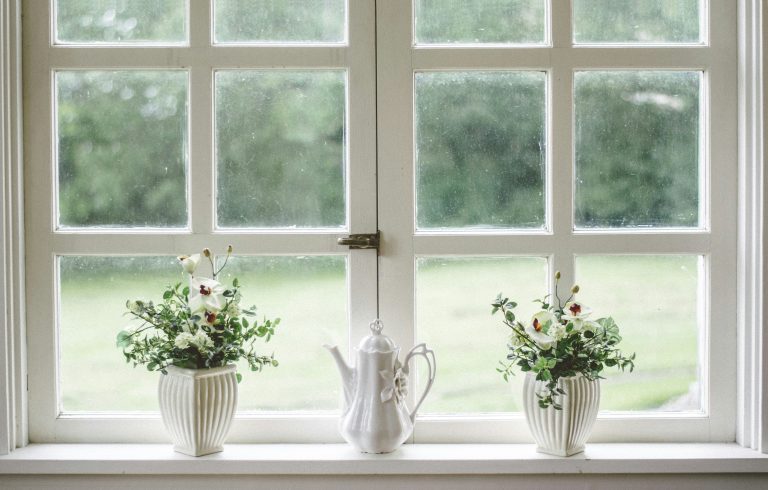
Windows fall into this category, too. Old, drafty windows drain energy and spike utility bills. If they rattle in the wind or let in more cold than light, replacing them can make a huge difference. Fortunately, quality isn’t hard to find anymore.
The best window replacement companies today offer a mix of energy-efficient options and aesthetic customization, which means you can choose function without sacrificing curb appeal. Many provide in-home consultations, financing plans, and warranties that actually mean something—not just marketing fluff.
Good window replacements can lower heating and cooling costs, reduce outside noise, and even boost natural light in spaces that previously felt like caves. More importantly, modern windows offer UV protection, so your expensive new floors or furniture won’t fade in six months. It’s an upgrade with both immediate and long-term returns.
Understand the Difference Between Layout and Finish
People often confuse layout changes with cosmetic upgrades. But the scope—and the budget—differs wildly. Moving walls, rerouting plumbing, or relocating electrical outlets usually requires permits, structural adjustments, and skilled trades. This adds cost, time, and complexity.
If your current layout mostly works, resist the temptation to overhaul it just because you saw something different online. Instead, improve the finish. New cabinets, better lighting, upgraded fixtures, and fresh surfaces can radically transform a space without changing its bones.
But if your space feels cramped, disconnected, or dysfunctional, don’t patch over the problem. Sometimes a layout change is necessary to make a home truly livable. Just go in knowing that you’ll need a solid plan, possibly an architect, and definitely some breathing room in your schedule.
DIY Works—Until It Doesn’t
DIY renovation is having a moment. Social media is flooded with people turning dated homes into custom spaces using little more than grit, glue, and a camera tripod. And while there’s power in learning by doing, there’s also danger in thinking you can watch a five-minute tutorial and tile a bathroom.
Doing it yourself makes sense when the task is straightforward, the risk is low, and the tools are accessible. Painting? Sure. Demolishing drywall? Go for it. Rewiring a breaker panel? Maybe not unless you’re licensed and insured. The best rule is this: if messing it up could lead to injury, water damage, or long-term regret, hire a pro.
The other issue with DIY is time. Projects always take longer than expected, especially if you’re learning on the fly. A “weekend job” often becomes a three-weekend saga. If you’re on a deadline—say, baby on the way or holiday guests arriving—this matters more than you think.
Pick Materials for Real Life, Not Showrooms
Your home doesn’t live in a catalog. It lives in dog hair, spilled coffee, muddy boots, and family dinners. Choose materials that hold up under the life you actually live, not the one you’re curating for photos. Porcelain tile lasts longer than soft stone. Quartz outperforms marble for stain resistance. Matte finishes hide fingerprints better than gloss.
Also, sustainability matters more now than ever. With growing awareness about environmental impact, many homeowners are opting for reclaimed wood, recycled materials, and low-VOC paints. Not only are these better for the planet, they’re often safer for your indoor air quality, especially if you have kids, pets, or allergies.
Material choices don’t need to be flashy to be smart. Durability, ease of maintenance, and long-term performance should guide your selection more than fleeting trends.
Contractors Can Make or Break You
Choosing the right contractor is arguably more important than choosing the right tile. A good contractor communicates clearly, stays on schedule, owns mistakes, and respects your space. A bad one vanishes when problems arise, cuts corners, or drags the timeline endlessly.
Get references. Read reviews. Ask detailed questions. And get everything in writing—scope, payment schedule, milestones, and how changes will be handled. The more detailed your agreement, the less room there is for confusion later.
Trust your gut, too. If someone seems evasive or unwilling to answer questions, move on. Renovation is stressful enough. You don’t need to add someone unreliable to the mix.
Your House Will Look Worse Before It Gets Better
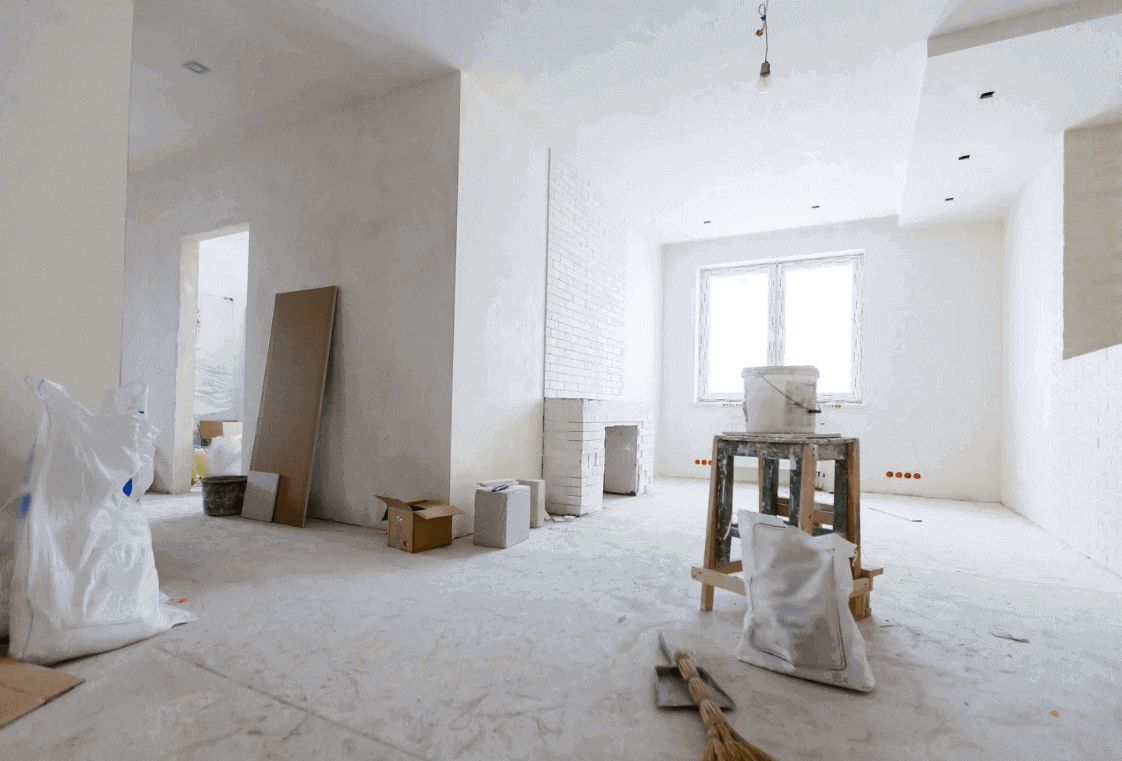
It’s easy to lose perspective when your living room becomes a tool shed or when the kitchen sink ends up in the hallway. Renovation isn’t clean. It’s chaotic, inconvenient, and often messy in ways you didn’t expect.
Renovation is a kind of reset. It’s a way of saying, “This space matters enough to invest in.” And in a time where housing costs are climbing, interest rates are high, and people are reevaluating what home really means, that decision carries weight. So plan carefully, choose wisely, and brace yourself. The dust will settle. The drywall will dry. And when it does, your space will feel more yours than it ever has.