
What Every Mom Should Know About Wisdom Teeth and Teen Oral Health
This post contains affiliate links. Click here to read my affiliate policy.
Last Updated on December 11, 2025
As a mom, you want the best for your child: from healthy meals to good sleep, and yes, bright, confident smiles. But there’s a dental milestone many teens and young adults go through that can catch even the most attentive parents off guard: wisdom teeth.
If you’ve noticed jaw stiffness, facial swelling, or complaints about discomfort at the back of your teen’s mouth, it may be time to learn more about those elusive third molars. In this post, we’ll walk you through everything you need to know, so you can help your teen navigate this stage with confidence (and minimal stress).
What Are Wisdom Teeth — and Why Do They Often Cause Trouble?
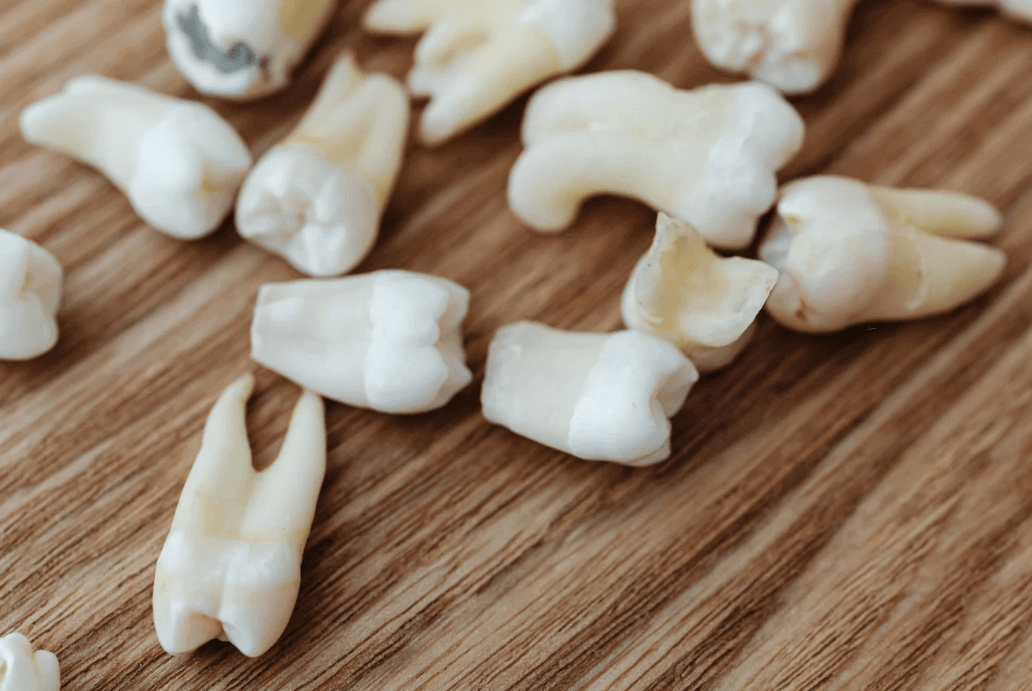
Wisdom teeth, also called third molars, are the last set of permanent teeth to erupt. They typically appear between the ages of 17 and 25, but in some cases, they may emerge earlier or not at all. These teeth are evolutionary holdovers from a time when our ancestors consumed tougher, raw diets that required more chewing power.
Today, however, modern diets and smaller jaw sizes mean our mouths often don’t have room to accommodate these latecomers. This can lead to crowding, misalignment, or impaction (when a tooth is blocked from coming in fully).
Because of these common complications, many dentists recommend monitoring wisdom teeth early. Clinics like Placerville Dentistry provide specialized care for evaluating and removing wisdom teeth, offering expert insight into whether extraction is necessary for your teen.
Common Issues Moms Should Watch Out For
Wisdom teeth don’t always cause pain right away, so it’s helpful for parents to know what signs and symptoms to monitor. Here are the most frequent issues that can arise:
1. Impaction
Impacted wisdom teeth are teeth that never fully emerge from the gums. This is often because there’s not enough space in the jaw. Impacted teeth can grow at an angle, press against adjacent teeth, or remain trapped within the gum or jawbone. These situations can lead to:
- Inflammation
- Infection
- Jaw stiffness
- Difficulty opening the mouth
2. Crowding and Misalignment
Even when wisdom teeth partially erupt, they can crowd existing teeth, undoing years of orthodontic work. If your teen has had braces, wisdom teeth can compromise the results by shifting the alignment of their smile.
3. Infections and Gum Issues
Partially erupted wisdom teeth create hard-to-clean spaces that trap food and bacteria, leading to a painful condition called pericoronitis. Symptoms include swelling, pain, and even difficulty swallowing or chewing.
4. Tooth Decay
Because wisdom teeth sit so far back in the mouth, they’re often neglected during brushing and flossing. This makes them vulnerable to decay, and worse, it can also affect the neighboring molars.
5. Cysts or Abscesses
In some rare cases, a fluid-filled cyst can form around an impacted wisdom tooth. Left untreated, this cyst can cause damage to the bone, teeth, and nerves in the jaw.
When Should Wisdom Teeth Be Evaluated or Removed?
There’s no universal rule for when wisdom teeth should come out, but dentists often recommend evaluation during the late teen years. X-rays and exams can help assess whether the teeth are developing properly or if intervention is needed.
Early Evaluation Matters
Early monitoring (around ages 16 to 19) gives dentists the chance to catch potential problems before they become painful or complicated. At this age, wisdom teeth roots may not be fully formed, making extraction easier and recovery faster.
Symptoms That Warrant Attention
If your teen experiences any of the following, schedule a dental appointment:
- Swelling of the gums or jaw
- Persistent pain in the back of the mouth
- Difficulty opening the mouth
- Foul taste or bad breath despite brushing
These symptoms may point to an infection or impaction, which should be treated promptly to prevent further issues.
Not All Wisdom Teeth Need Removal
In some cases, wisdom teeth grow in without causing issues. If they emerge fully, align properly, and are easy to clean, removal might not be necessary. However, continued monitoring is essential.
Supporting Your Teen Through the Process
Teens often feel anxious about dental procedures, especially those involving surgery. As a parent, you play a key role in providing reassurance and practical support.
Normalize the Experience
Let your teen know that wisdom teeth removal is a common procedure. Millions of people undergo it each year, often with minimal discomfort and a quick recovery.
Choose a Supportive Dental Team
Look for a dental practice that prioritizes comfort, communication, and patient care. A clinic that treats patients like family can make all the difference in your teen’s experience.
Plan for Recovery
Prepare soft foods, stock up on ice packs, and schedule a few days of rest. Teens may feel groggy from anesthesia, and mild swelling or discomfort is common. With your support, they’ll be back to normal in no time.

Preventive Care: Protecting Long-Term Oral Health
Even if your teen’s wisdom teeth seem fine now, regular dental visits remain critical. A dentist can monitor their development, recommend the right timing for removal (if needed), and help prevent future complications.
Daily oral hygiene also plays a huge role. Encourage your teen to:
- Brush twice a day with fluoride toothpaste
- Floss thoroughly, including around back molars
- Use mouthwash to reduce bacteria buildup
Habits established during the teen years set the tone for lifelong oral health. Regular checkups, good hygiene, and timely interventions can save your child from painful (and costly) problems down the road.
Conclusion: A Confident Smile Starts With Informed Care
Wisdom teeth are just one part of your teen’s dental journey, but how you handle them can have lasting effects. By staying informed and proactive, you can help your child face this stage with confidence. Watch for signs of trouble, schedule timely evaluations, and work with a compassionate dental provider to ensure your teen’s comfort and well-being.
Remember, it’s not just about removing a tooth; it’s about protecting your child’s smile, self-esteem, and health for years to come.