Red Light Caps vs. Traditional Hair Loss Treatments: Which Method Works for a thinning beard
This post contains affiliate links. Click here to read my affiliate policy.
Last Updated on May 12, 2026
Many men notice thinner patches in their beard and search for ways to bring back thickness and coverage. Some choose proven medical treatments, while others try newer light-based devices that promise to boost growth through gentle, targeted light. Both approaches aim to help hair follicles work better, but results depend on how the treatment interacts with the skin and hair at the root level.
Before trying any method to improve beard density or reduce patchiness, it helps to first understand what does hair thinning look like during the early stages of hair loss. The signs are not always dramatic. In many cases, thinning starts gradually with slower growth, reduced density around certain areas, more visible skin beneath the beard, finer or weaker strands, or patches that no longer grow evenly.
A safe red light hair growth cap can support beard regrowth by using low-level laser therapy (LLLT) to stimulate follicles beneath the skin more directly than most traditional methods. This technique uses specific light wavelengths studied for their potential to improve blood flow and cell activity. Unlike creams or oral products, the process relies on light contact rather than chemical absorption.
Today, many want a solution that feels easy, noninvasive, and science-backed. Understanding how these caps compare to medications, topical treatments, or natural remedies helps anyone decide if the technology is worth trying.
How Red Light Caps Work for Thinning Beard: Mechanism, Results, and Suitability
Red light therapy caps use low-level light to energize hair follicles and help new follicles grow. This process supports thicker, denser beard hair over time and can work for mild or moderate beard thinning that results from slow follicle activity or poor circulation.
Scientific Principle Behind Red Light Therapy Caps
Red light therapy uses light wavelengths between 650 and 900 nanometers. These wavelengths reach below the skin surface and increase cell activity in the follicles. The process, called photobiomodulation, improves energy production in follicle cells and boosts protein building inside the root of each hair.
Light exposure triggers the mitochondria to release more adenosine triphosphate (ATP), which powers cell growth. This reaction can shift follicles from a resting to a growing stage. For beard hair, the result can include stronger strands, reduced shedding, and more uniform coverage.
A safe red light hair growth cap uses this same science on facial hair follicles. Proper wavelength and exposure levels make these devices suitable for use at home because they deliver energy without causing heat damage.
Key Device Features: Wavelength, Coverage, and Laser Diodes
The most effective caps use light in the 650 nm range, which research links to hair growth improvements. Caps vary in the number of laser diodes, often between 80 and 200, and that total affects how evenly they cover the beard area.
Wider coverage is important because facial hair tends to grow unevenly, especially along the cheeks and jawline. Each diode produces low-level light that covers small zones, and more diodes create better overlap across the skin surface.
Comfort and design also matter. Lightweight shells and adjustable straps help users complete each session with consistent placement. Rechargeable designs make steady use easier, supporting regular treatment schedules that lead to better results.
Benefits for Hair Follicles and Dormant Follicle Reactivation
Regular exposure to red or near-infrared light increases circulation around the follicles. Better blood flow can deliver oxygen and nutrients that stimulate beard growth. Many users with patchy or thinning beards notice less breakage and small new hairs after several weeks of proper use.
The light may reactivate follicles that have become dormant due to hormonal or genetic factors. For people with early thinning, this process can slow further beard loss. It does not create new follicles but can revive ones that stopped producing thick strands.

The effect works best if the skin remains clean and healthy before each session. Maintaining hydration and proper nutrition can further support follicle activity.
Treatment Protocols and Timeline for Visible Improvements
Manufacturers often suggest sessions of about 15 to 30 minutes, two to three times per week. Following a routine matters more than short-term intensity because steady exposure gives follicles time to react. Sporadic use may produce little change.
Many beard users see early thickening after 8 to 12 weeks, though full results may appear closer to 5 or 6 months. Progress depends on the cause and extent of thinning, age, and overall health.
It is safe to combine red light therapy with other non-drug treatments like gentle microneedling or topical oils, though anyone with sensitive skin should start slowly. Always follow product instructions and check for mild redness or dryness after use before continuing.
Traditional Hair Loss Treatments for Thinning Beards: Comparison and Effectiveness
Traditional beard restoration methods include medications, nutrient supplements, and surgical options that have long been used to treat scalp pattern hair loss. Each method targets different causes, such as poor follicle stimulation, low nutrition, or excess dihydrotestosterone (DHT) levels that shrink follicles and slow beard growth.
Topical and Oral Medications: Minoxidil, Biotin, and DHT Blockers
Topical minoxidil is one of the most common treatments for thin facial hair. It widens blood vessels near the follicles, which improves nutrient flow and promotes thicker hair. Results usually appear after several months of consistent use. Some users experience mild redness or dryness on the skin, but serious effects are rare.
Biotin, a B-group vitamin, supports keratin production that strengthens both hair and nails. It helps individuals with nutrient deficiencies but may show limited benefits for anyone with normal levels. Dietary intake or supplements can improve general hair quality but may not produce new follicle growth on their own.
DHT blockers, available in topical and oral forms, aim to limit DHT levels. Because DHT contributes to male pattern hair loss and can weaken beard follicles, these blockers can help maintain density. However, they can sometimes cause decreased libido or hormonal changes, so medical guidance is recommended.
Surgical and Non-Surgical Interventions: Hair Transplant and Healthy Lifestyle Approaches
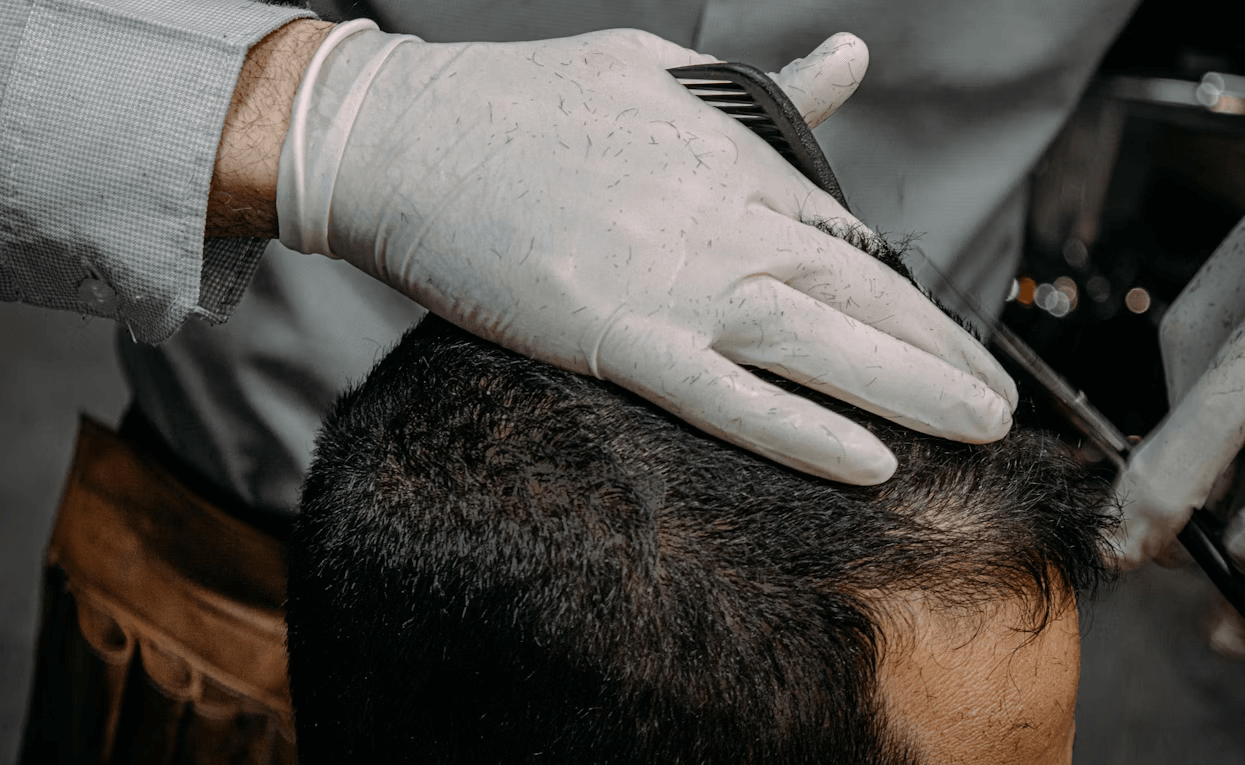
A hair transplant moves follicles from dense scalp areas to the patchy regions of the beard. This method provides lasting results for genetic or hereditary hair loss but costs more and requires recovery time. Some redness or minor swelling can occur after surgery. The outcome depends on proper aftercare and healthy donor follicles.
Non-surgical methods include maintaining a balanced diet rich in protein, zinc, and iron, which supports healthy hair growth. Regular exercise improves blood flow and nutrient delivery to follicles. Smoking or stress can limit circulation and slow regrowth, so lifestyle changes often help maintain results from medical treatments.
In some cases, dermatologists combine these methods with mild topical solutions to improve density. These combinations can create gradual but noticeable thickening in thinning beard areas.
Efficacy, Safety, and Side Effects Compared to Red Light Caps
Traditional treatments, such as minoxidil and hair transplants, often deliver stronger and longer-lasting regrowth but require higher commitment and cost. Red light caps provide a non-invasive option that uses low-level light to stimulate follicles with fewer side effects.
Topical and oral medications can cause mild irritation or hormonal imbalance, while light-based devices rarely lead to discomfort. However, medications and transplants usually bring faster or more visible results for pattern baldness or thinning hair.
Traditional methods rely on consistent routines and proper medical supervision to remain safe and effective. Red light therapy, in contrast, suits individuals who prefer minimal maintenance and want to avoid daily applications or surgical recovery. Each approach offers distinct trade-offs between convenience, affordability, and performance.
Conclusion
Red light caps present a noninvasive way to support beard density. They use low-level laser or red light technology to stimulate hair follicles and improve circulation, which may help regrow thinner or patchy areas over time.
Traditional treatments such as topical minoxidil or prescribed medications often provide proven results, yet they can cause side effects or require strict application routines. In contrast, red light devices offer convenience and are suitable for people who prefer a hands-free approach.
Results still depend on the cause and severity of hair thinning. Some individuals notice visible improvement after consistent use, while others see limited change.
Both approaches can play a role in managing beard hair loss, and combining treatments under professional advice may lead to better results.