
7 Skin Safety Education Tips to Share When Treating Industrial Patients
This post contains affiliate links. Click here to read my affiliate policy.
Last Updated on February 17, 2026
In your clinic, you probably see office workers with dry skin. Or teens with breakouts. Or adults worried about aging. But the skin of patients in industrial work tells a harder story. Irritant rashes. Contact dermatitis. Slow-healing cuts. They’re exposed to chemicals daily. They suffer from friction from heavy gear. Sometimes, constant moisture trapped under gloves harms them, too.
Many of these patients skip sunscreen when outdoors. They skip moisturizer after work. They think damaged skin is just part of the job. Education can change that pattern. Here are seven skin safety education tips to share when treating industrial patients.
Skin Safety Tips for Treating Industrial Patients
- Proper Hand Washing
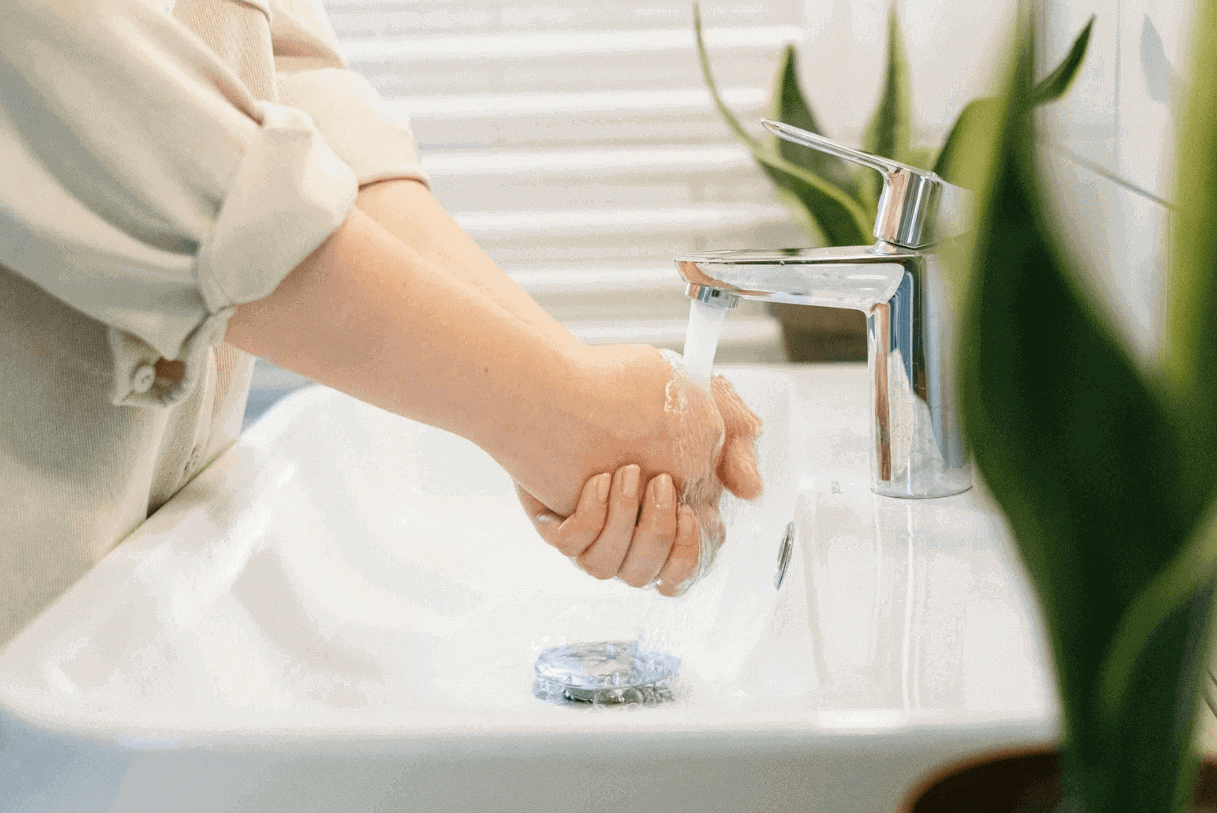
Industrial workers touch grease and chemicals all day. They grasp metals. They unknowingly touch dust, too. Their hands are exposed constantly. Skin can dry and crack. They can develop rashes. That’s why proper handwashing is a must.
Washing hands reduces exposure to harmful substances. So, when talking to patients, emphasize technique. Use lukewarm water. Tell them to opt for a gentle cleanser that won’t dry out the skin. Rub all areas of the hand. Get between the fingers and under the nails. Pat dry instead of rubbing.
Encourage hand washing before and after shifts. Suggest gentle moisturizers afterward. Their skin becomes more protected. It becomes less prone to chronic damage.
- Using Hand Barrier Creams Before Shifts
Some industrial workers might have sensitive skin. It may react to repeated exposure to chemicals and friction. Even minor contact can trigger rashes. Patients may think gloves are enough. But the skin needs more protection.
A barrier cream acts like a shield. Recommend thick hand repair lotions or petrolatum-based alternatives. Explain when and how to use it. Apply a thin layer to exposed areas before starting a shift. Wear gloves to improve protection. Reapply after washing hands.
Barrier creams help reduce dryness and flare-ups. Patients notice fewer reactions. They’ll see less discomfort, too. This demonstrates practical care that respects the realities of industrial work.
- Explain the Risks of Chemical Exposure
Industrial workers are regularly exposed to chemicals. Think solvents. Cleaning agents. Oils. Some chemicals irritate the skin immediately. Others cause long-term damage. It results in thickened skin or pigmentation changes. Patients may not realize the cumulative effect.
In your clinic, be explicit. Show which chemicals are most risky. Explain that constant exposure can lead to chronic conditions. Stress the importance of gloves and proper clothing. Teach them hand care routines again, even if you’ve taught them before.
Educating patients on chemical risks helps them avoid serious injury. They start identifying hazards in their workspace. You position your clinic as a partner in both treatment and prevention.
- Educate on Symptoms of Occupational Skin Damage
Many industrial patients only seek care when skin problems become severe. Early signs include scaling, blistering, or persistent dryness. Left unchecked, they can develop chronic dermatitis. Or worse, severe infections. Teaching patients to recognize warning signs is critical.
Explain how to monitor skin. Suggest regular self-checks. Describe visible changes to watch for. In big, busy cities with heavy industrial activity, like Chicago, workers may be more prone to long shifts. High chemical exposure, too.
Remind them to get help when necessary. Say you have a patient whose condition you suspect comes from their warehouse employer’s negligence. You could advise contacting a Chicago warehouse workers’ compensation lawyer if they experience persistent occupational skin damage. This helps them understand liability. It protects their rights while addressing health concerns.
- Moisturizing for Dry Work Environments
Industrial work can really dry out the skin. Dust. Cold air. Repeated washing. These factors strip natural oils. Skin becomes dry and cracked. It becomes uncomfortable. Patients may think dryness is just part of the job. Teach that proper moisturizing can prevent that damage.
Advise patients to apply a thick, fragrance-free moisturizer on their bodies before work. Suggest keeping a small travel-size cream at the workstation for touch-ups. Recommend ointments for cracked areas. Tell them to apply it to their forearms. Lower legs. Feet. Heels. Encourage consistent use. Not just when skin feels dry. This lets workers feel less discomfort during work.
- Warn About UV Exposure
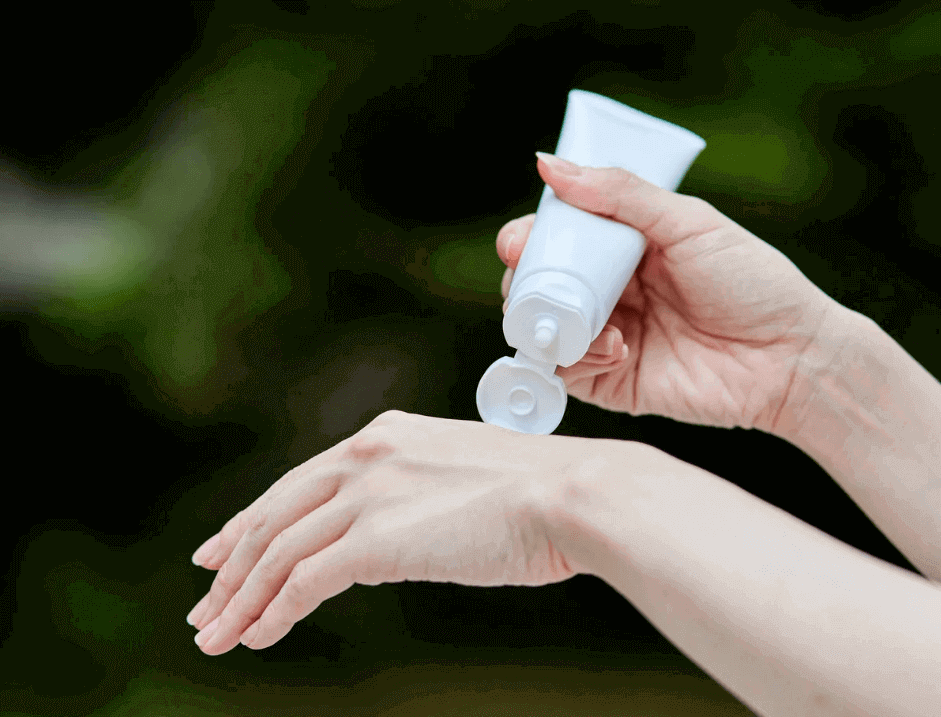
Many industrial workers spend time outdoors. This exposes them to ultraviolet radiation. It can add up over months and years. Skin can burn. It can age prematurely. It can even develop lesions.
Educate patients to apply broad-spectrum sunscreen to exposed areas. Encourage wearing long sleeves. Suggest visors when working outdoors. Remind them to reapply sunscreen during long shifts. Tell them that UV risks exist even on cloudy days. Highlighting UV safety helps prevent long-term sun damage.
- Proper Wound Care
Industrial skin injuries are common. Small cuts, abrasions, or burns happen frequently. These can scar. Or become infected. It’s critical that patients know how to treat wounds to minimize scars and other secondary effects.
Show patients proper cleaning techniques. Use mild soap and lukewarm water. Apply an appropriate antiseptic. Cover with a sterile dressing. Change dressings regularly. Monitor for signs of infection. Encourage follow-up if wounds are slow to heal. Teaching wound care reduces complications. It helps skin heal faster.
Conclusion
Industrial patients face unique skin challenges. Chemicals. Rough gloves. Long hours under the sun. They all take a toll. That’s why your guidance matters. You can teach them to protect their skin. How to care for it. By touching on the topics above during their consultation, you give them tools to prevent chronic skin issues.
The result? Your practice gains credibility. Patients are more likely to return and follow your advice. Education empowers them. It reduces long-term complications among a segment that doesn’t know much about skincare. You become the provider they trust for work-related skin problems. The one who understands their world.