From Nourishing Meals to Restful Nights: Building a Truly Healthy Home
This post contains affiliate links. Click here to read my affiliate policy.
Last Updated on March 10, 2026
A healthy home isn’t built on a single habit. It’s created through small, intentional choices that support your body from morning to night. For many of us, health starts in the kitchen—choosing nourishing ingredients, cooking meals that energize us, and developing a positive relationship with food. But what happens after the dishes are done matters just as much. Sleep, often overlooked, is the quiet partner to good nutrition, working behind the scenes to restore, balance, and heal.
When food and sleep are treated as part of the same wellness ecosystem, something powerful happens. Energy improves. Stress feels more manageable. Cravings soften. The home itself becomes a place that supports well-being rather than draining it. Building a truly healthy home means looking beyond what’s on your plate and paying attention to how you rest, recover, and recharge.

Why Nutrition And Sleep Are Deeply Connected
Food and sleep don’t exist in separate lanes—they constantly influence one another. When you eat well, your body has the nutrients it needs to regulate hormones that control sleep, including melatonin and serotonin. Balanced meals with protein, fiber, and healthy fats help stabilize blood sugar, reducing nighttime wake-ups and restless sleep.
On the flip side, poor sleep can derail even the best intentions around food. Lack of rest disrupts hunger hormones, increasing cravings for sugar and refined carbs while lowering the desire for nutrient-dense foods. This cycle can make healthy eating feel harder than it needs to be.
When both nutrition and sleep are supported, they reinforce each other. Good meals set the stage for better rest, and quality sleep makes mindful eating feel more natural. A healthy home embraces both, rather than prioritizing one at the expense of the other.
Creating A Kitchen That Supports Wellness
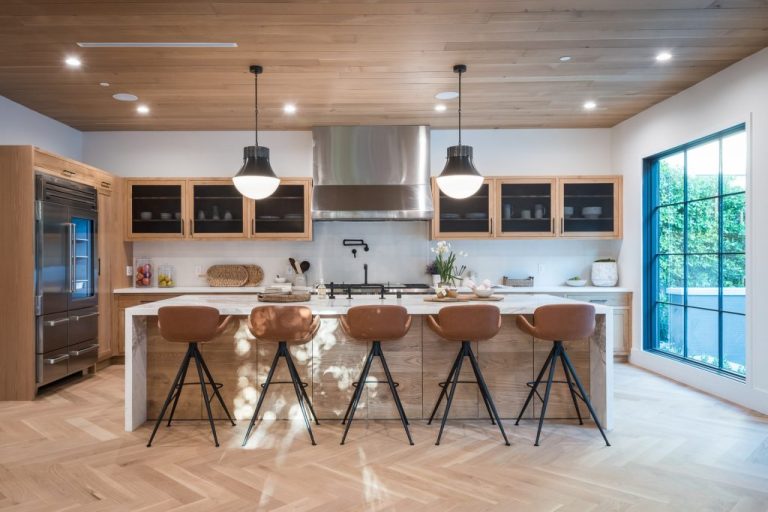
The kitchen is often the heart of the home, and its environment plays a big role in daily habits. A wellness-focused kitchen doesn’t need to be perfect or Pinterest-worthy. It simply needs to make healthy choices easier.
Start with visibility. Keep nourishing staples—like whole grains, legumes, nuts, and healthy oils—within easy reach. Store highly processed snacks out of sight or avoid buying them altogether. When your environment supports your goals, willpower becomes less necessary.
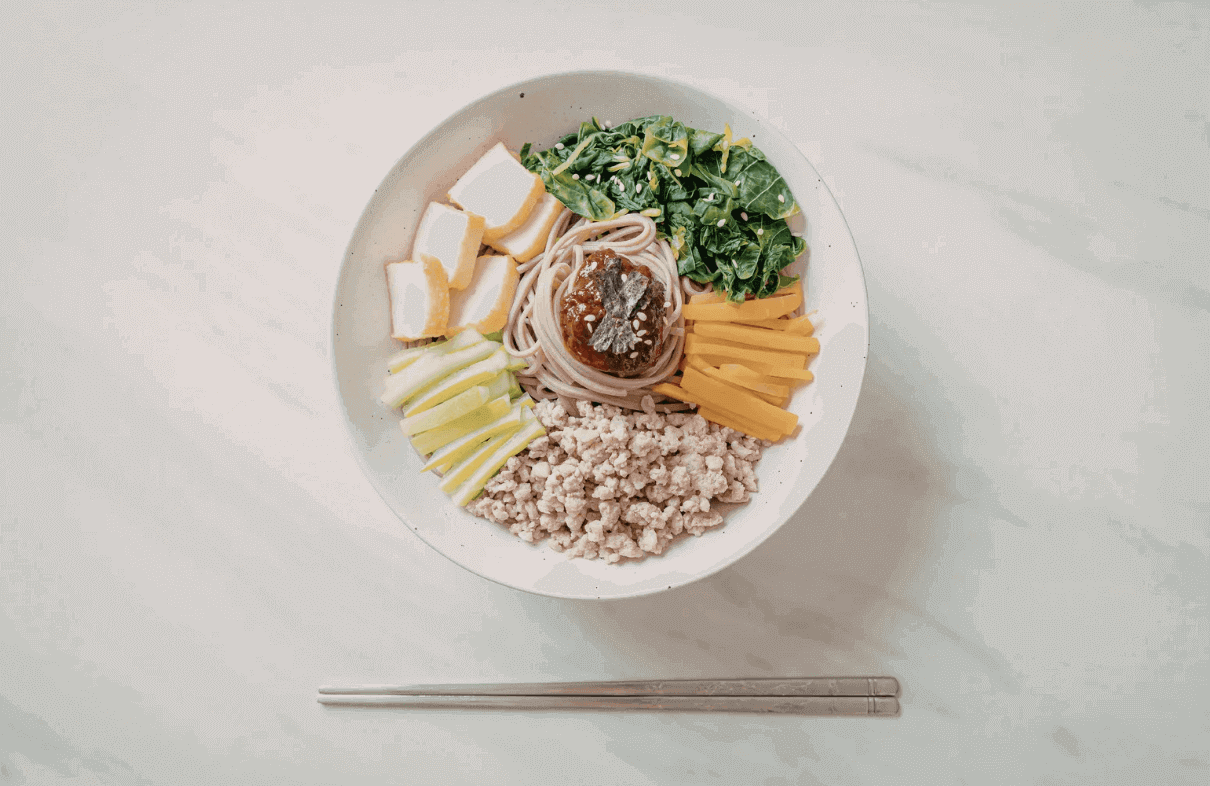
Meal rhythms matter, too. Eating meals at consistent times helps regulate your body’s internal clock, which directly impacts sleep quality. Late-night, heavy meals can interfere with digestion and make it harder to fall asleep, while balanced dinners eaten earlier in the evening tend to support deeper rest.
Cooking can also become a calming ritual rather than a chore. Playing music, chopping vegetables slowly, or cooking from scratch when time allows can help shift your nervous system out of stress mode—setting the tone for a more restful night ahead.
Evening Habits That Bridge Food And Sleep
What happens between dinner and bedtime is a crucial, often underestimated window for health. This transition period is where the home can either support relaxation or quietly sabotage it.
Gentle routines help signal to your body that it’s time to wind down. This might include herbal tea instead of dessert, dimming the lights, or putting away screens an hour before bed. These small cues encourage melatonin production and prepare your body for sleep.
Mindful eating also plays a role here. Late-night snacking isn’t always about hunger—it’s often about stress or habit. Creating alternative evening rituals, like stretching, reading, or journaling, can reduce the urge to eat when your body actually needs rest.
When evenings feel calm and predictable, sleep becomes less of a struggle and more of a natural continuation of the day.
Designing A Bedroom That Encourages Deep Rest
Just as a well-organized kitchen supports healthy eating, a thoughtfully designed bedroom supports quality sleep. Your sleep environment sends constant signals to your brain about whether it’s safe to relax.
Temperature, lighting, and textures all matter. Cooler rooms tend to promote deeper sleep, while soft, breathable fabrics can improve comfort throughout the night. Bedding, in particular, plays a surprisingly important role. Materials that feel smooth against the skin and regulate temperature help reduce nighttime disruptions.
This is where intentional choices matter more than luxury. Investing in quality sleep essentials—like supportive pillows and breathable sheets—can make a noticeable difference. Brands like Doze Bedding focus on sateen bedding designed for comfort and softness, which can support a more restful sleep experience without overcomplicating the process.
The key is creating a bedroom that feels like a retreat, not an extension of daily stress.
How Rest Improves Your Relationship With Food
One of the most overlooked benefits of good sleep is how it transforms your relationship with food. When you’re well-rested, decision-making improves. You’re more likely to tune into hunger cues, eat until satisfied, and choose foods that genuinely nourish you.
Sleep also supports digestion and metabolism. During rest, the body repairs tissues, balances hormones, and processes nutrients more efficiently. Over time, this can lead to better energy levels, improved mood, and a greater sense of ease around eating.
Instead of relying on caffeine or sugar to get through the day, well-rested bodies naturally seek balance. This shift often feels subtle at first, but it’s one of the most powerful outcomes of aligning nutrition and sleep.
Building A Healthy Home One Habit At A Time
A truly healthy home isn’t created overnight. It’s built through small, sustainable changes that fit your life. You don’t need a perfect diet or a flawless sleep schedule to see benefits. Consistency matters far more than perfection.
Start with one area—maybe cooking more balanced dinners or committing to a calming bedtime routine—and let it ripple outward. As energy improves, motivation often follows. The home begins to feel more supportive, more intentional, and more aligned with how you want to live.
Health isn’t just about what you eat or how long you sleep. It’s about how your environment supports both. When nourishing meals and restful nights work together, the result is a home that truly cares for the people living in it—quietly, consistently, and deeply.