The Role of Community in Long-Term Healing
This post contains affiliate links. Click here to read my affiliate policy.
Last Updated on December 10, 2025
Healing from trauma, grief, or emotional pain often feels like a lonely road. In the beginning, we turn inward—to rest, to reflect, to survive. But long-term healing asks for more than solitude. It asks for connection. That’s where community comes in.
A supportive community provides more than comfort—it offers belonging, accountability, and shared strength. Whether through friends, support groups, cultural ties, or faith communities, having others walk beside us is one of the most powerful tools for recovery.
In this article, we’ll explore why community matters in healing, what it looks like in real life, and how to find or build the right kind of support for your journey.
Why Healing Needs More Than Isolation
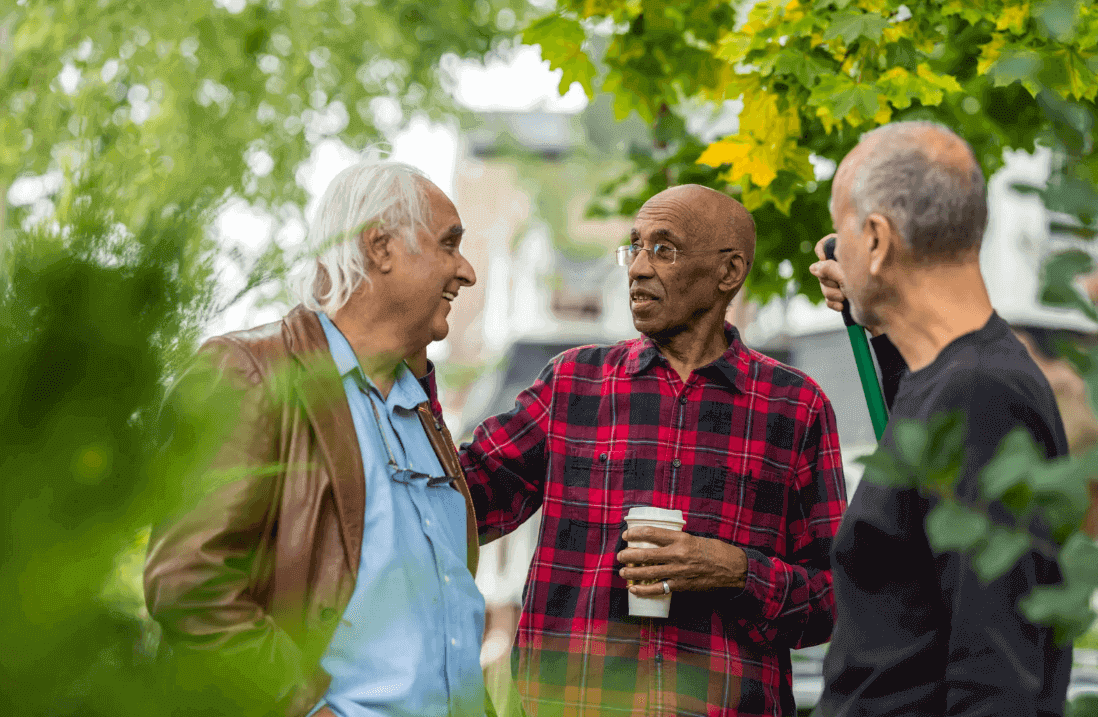
When we experience emotional wounds—like trauma, abuse, or loss—our instinct is often to pull away from others. We may feel shame, fear of judgment, or a desire to “deal with it alone.” And sometimes, we need that quiet space to begin.
But long-term healing thrives in connection. Humans are wired for relationship. Our nervous systems, brains, and hearts heal more deeply when we feel safe, seen, and supported.
A 2022 report from the World Health Organization (WHO) emphasized that social support is one of the strongest protective factors for mental health recovery, especially in trauma survivors 1.
How Community Supports Long-Term Healing
1. Reduces Isolation and Shame
One of the most painful parts of emotional suffering is the belief that we’re alone in it. Shame thrives in silence. Community helps break that silence.
When we hear others say, “Me too,” we realize our pain is human—not a sign of weakness or failure.
Research from Brené Brown, PhD, shows that shame cannot survive empathy and shared connection 2. Being part of a compassionate community helps replace shame with acceptance.
2. Builds Emotional Resilience
Knowing we have people to lean on makes us more resilient. Community members reflect our strength, remind us of our progress, and help us reframe struggles as steps toward growth.
A 2020 study in the Journal of Traumatic Stress found that individuals with strong social networks recovered faster from post-traumatic stress symptoms than those without support 3.
Community reminds us: you don’t have to do it all alone.
3. Encourages Consistency and Accountability
Healing takes time—and effort. It’s easy to give up when no one’s watching. But when you have people checking in, encouraging your steps, and walking the path with you, you’re more likely to stay engaged in your own growth.
Whether it’s a weekly group, a friend you text each morning, or a shared healing challenge—community keeps us going.
What Does a Healing Community Look Like?
There’s no one-size-fits-all community. What matters most is that it feels safe, respectful, and supportive.
Here are some types of healing communities to consider:
Support Groups
These can be in-person or online. They may be focused on grief, trauma, addiction recovery, anxiety, depression, or specific identities (e.g., LGBTQ+, BIPOC, veterans).
Support groups offer:
- A space to share openly
- Guided conversations
- Mutual validation
- Peer-led or therapist-led structure
Wellness Communities
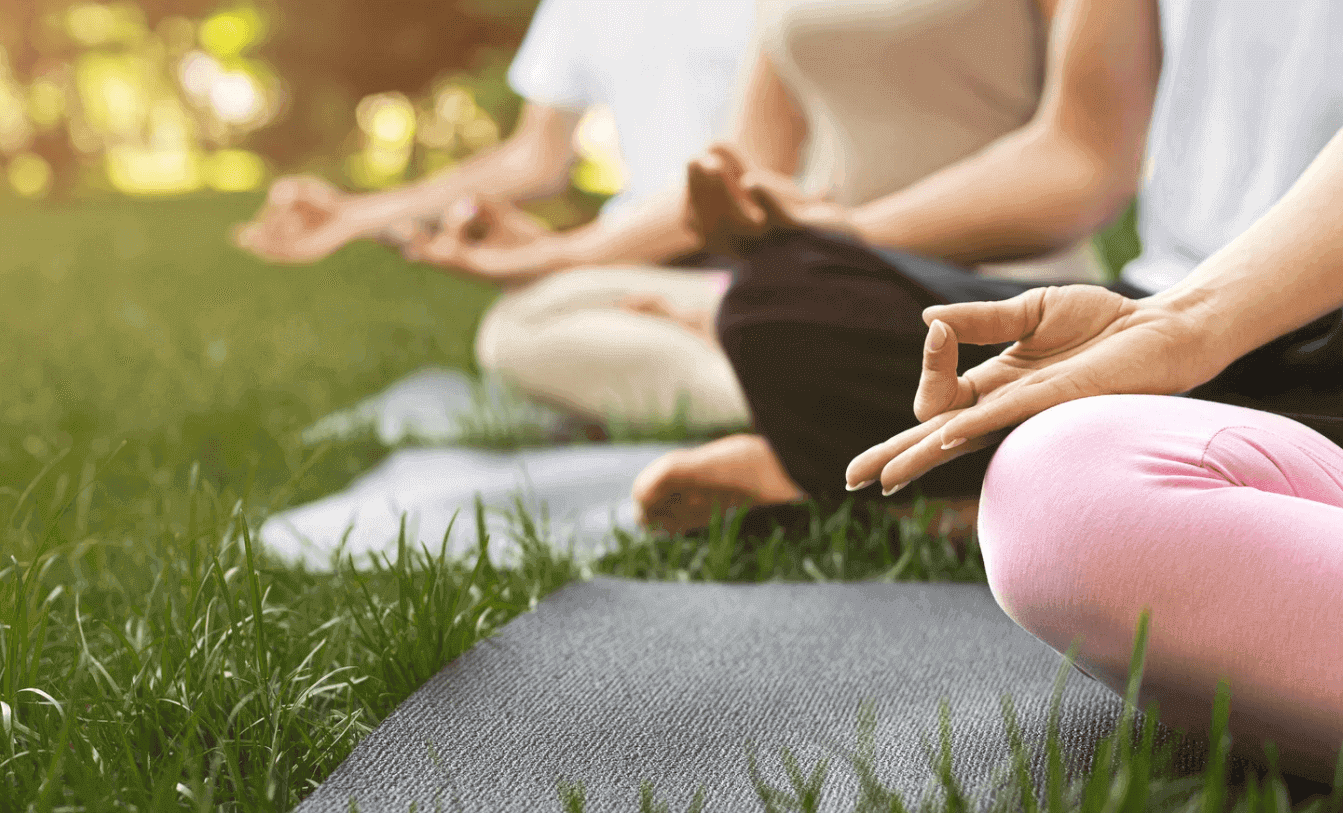
These include yoga studios, meditation groups, or somatic healing circles. They may focus less on talking and more on body-based or spiritual healing.
These spaces can be great for those who heal through movement, mindfulness, or silence.
Faith or Cultural Communities
For many, religious or cultural groups provide strong values of care, service, and shared rituals. These traditions can offer comfort, structure, and meaning when life feels fractured.
Creative or Artistic Circles
Art, writing, music, and dance can be healing in themselves—but doing them with others adds connection. Joining a creative community allows you to express without explaining.
How to Find the Right Community for You
Not every space will feel right. That’s okay. Trust your instincts, take your time, and look for signs of emotional safety.
Key things to look for:
- Inclusivity – Do you feel accepted as you are?
- Non-judgment – Are people kind and respectful?
- Boundaries – Are there clear rules or guidelines to protect members?
- Compassion – Do you feel listened to and supported?
You might start by:
- Asking your therapist for recommendations
- Searching for groups on sites like Meetup, Facebook Groups, or Mental Health America
- Visiting local community centers, libraries, or wellness spaces
Start small. You don’t need to share your whole story right away. Just showing up is a powerful act of healing.
How to Build a Supportive Community If You Don’t Have One
Sometimes, community doesn’t already exist—you have to create it. Here’s how to start building your own circle of healing:
1. Reach Out to One Safe Person
Even one supportive friend can be the start of a healing community. You might say:
“I’m trying to focus on my healing and I’d love to have someone to talk to now and then.”
“Would you be open to checking in with each other once a week?”
Vulnerability invites connection. You might be surprised how many people want the same thing.
2. Start a Small Group
Host a monthly dinner, walk, or journaling session. You don’t need to call it a “support group.” Just invite people to gather in intention and care.
Ask:
- “Would you be interested in a group where we talk about our healing journeys?”
- “Would you like to co-create a safe space for growth and connection?”
3. Use Online Platforms Wisely
If in-person isn’t possible, online spaces offer real connection—when used mindfully. Look for:
- Moderated forums (Reddit, Facebook, Discord)
- Peer-led Zoom groups
- Healing challenges or writing prompts on Instagram
Even digital connection counts.
When Community Hurts: Red Flags to Watch For
Not all communities are healing. Some may be toxic, codependent, or emotionally unsafe. Watch for:
- Judgment or shaming language
- Pressure to share more than you’re ready
- Gossip or broken confidentiality
- Over-reliance on one “leader” without peer input
- Emotional exhaustion after every meeting
If it feels harmful, step back. You deserve spaces that nourish, not drain, your healing.
Final Thoughts
Healing is not a solo act. While you may begin the journey alone, you don’t have to stay there. Community reminds you of your worth, helps carry your pain, and celebrates your growth.
You don’t need a large circle—just a few hearts that beat with yours. People who say: “I see you. I hear you. You are not alone.”
Your healing matters. And in the right community, it multiplies.
References
- World Health Organization. (2022). World Mental Health Report: Transforming Mental Health for All. https://www.who.int ↩
- Brown, B. (2012). Daring Greatly: How the Courage to Be Vulnerable Transforms the Way We Live, Love, Parent, and Lead. Gotham Books. ↩
- Pietrzak, R. H., et al. (2020). Social Support, Resilience, and Recovery from PTSD. Journal of Traumatic Stress, 33(1), 60–70. https://doi.org/10.1002/jts.22474 ↩