
Healthy recipes that support natural weight loss – Alternatives to Ozempic
This post contains affiliate links. Click here to read my affiliate policy.
Last Updated on April 11, 2026
I spent years testing every diet trend before landing on something that actually stuck. It was cooking meals built around the same biology that GLP-1 drugs target.
Medications like Ozempic mimic a gut hormone called glucagon-like peptide-1, which curbs appetite and steadies blood sugar. Your body already makes this hormone every time you eat and the trick is to give it the right raw materials.
A 2025 review in Toxicology Reports found that compounds in cinnamon, ginger, fermented green tea and berberine can all influence GLP-1 secretion. A separate trial from the same year showed that whey protein consumed 15 minutes before a meal reduced post-meal glucose and suppressed appetite in people with obesity.
No single food matches strength of a weekly injection, but foods that increase GLP-1 can stack up when you plan your meals around them.
How your kitchen can work like a pharmacy
Your gut releases GLP-1 when specific nutrients hit the intestinal wall. Soluble fiber ferments in the colon and produces short-chain fatty acids (SCFAs) like propionate that activate receptors and signal more GLP-1 release.
Protein triggers same hormone through amino acid sensing in the upper intestine. Polyphenols from berries and green tea feed Akkermansia muciniphila, a gut bacterium tied to higher GLP-1 output. A 2023 review published on PubMed Central confirmed that high-fiber diets raise post-meal GLP-1 through exactly this SCFA pathway.
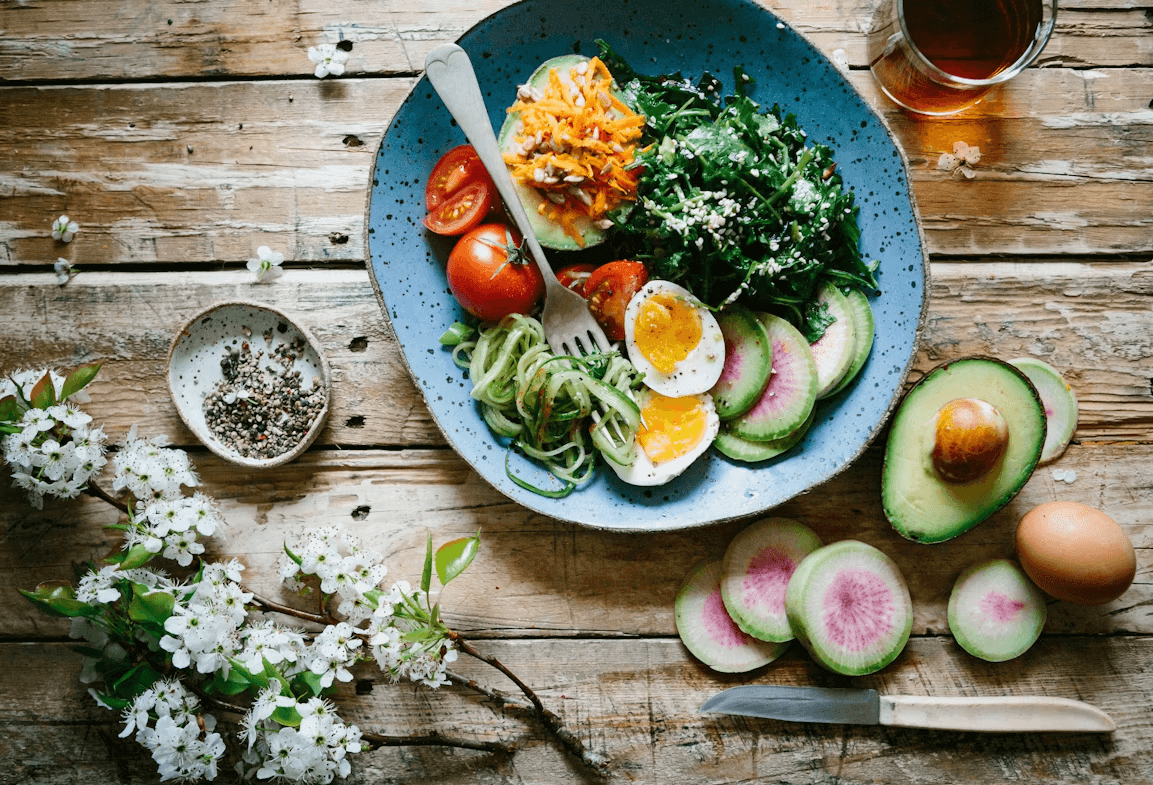
The practical takeaway: meals built on protein, soluble fiber and colorful plants hit all three triggers at once.
Three recipes that support natural GLP-1 production
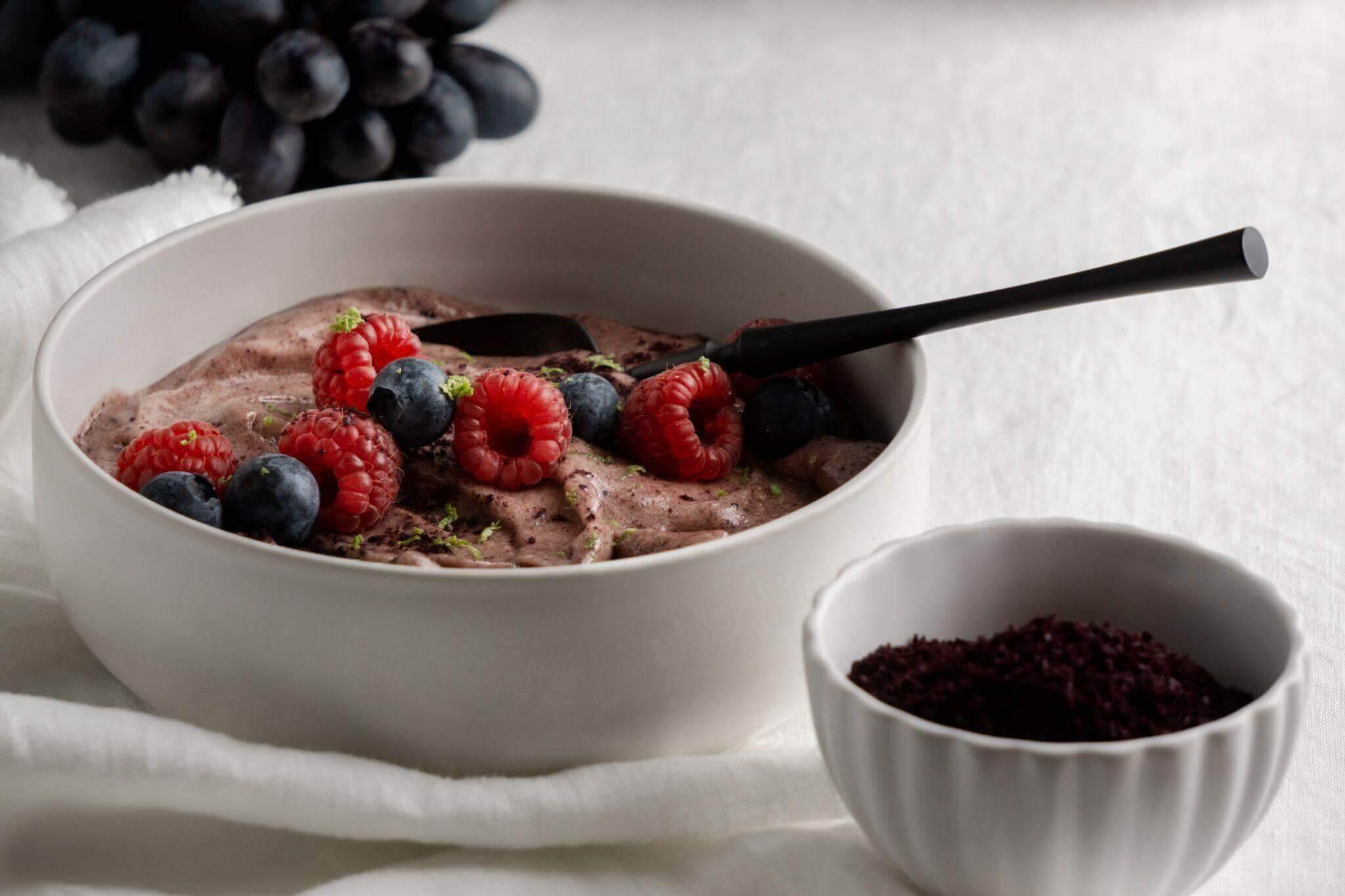
Breakfast: Overnight oats with cinnamon and berries
Mix 1/2 cup rolled oats, 1 cup plain Greek yogurt, 1 tablespoon chia seeds, 1/2 cup mixed berries, and a pinch of cinnamon. Refrigerate overnight.
One bowl delivers roughly 28g of protein and 10g of fiber. Oats provide beta-glucan, the soluble fiber that feeds SCFA-producing gut bacteria. Cinnamon has shown GLP-1-modulating activity in early studies. I eat this four mornings a week and rarely feel hungry before noon.
Lunch: Lentil and salmon power bowl
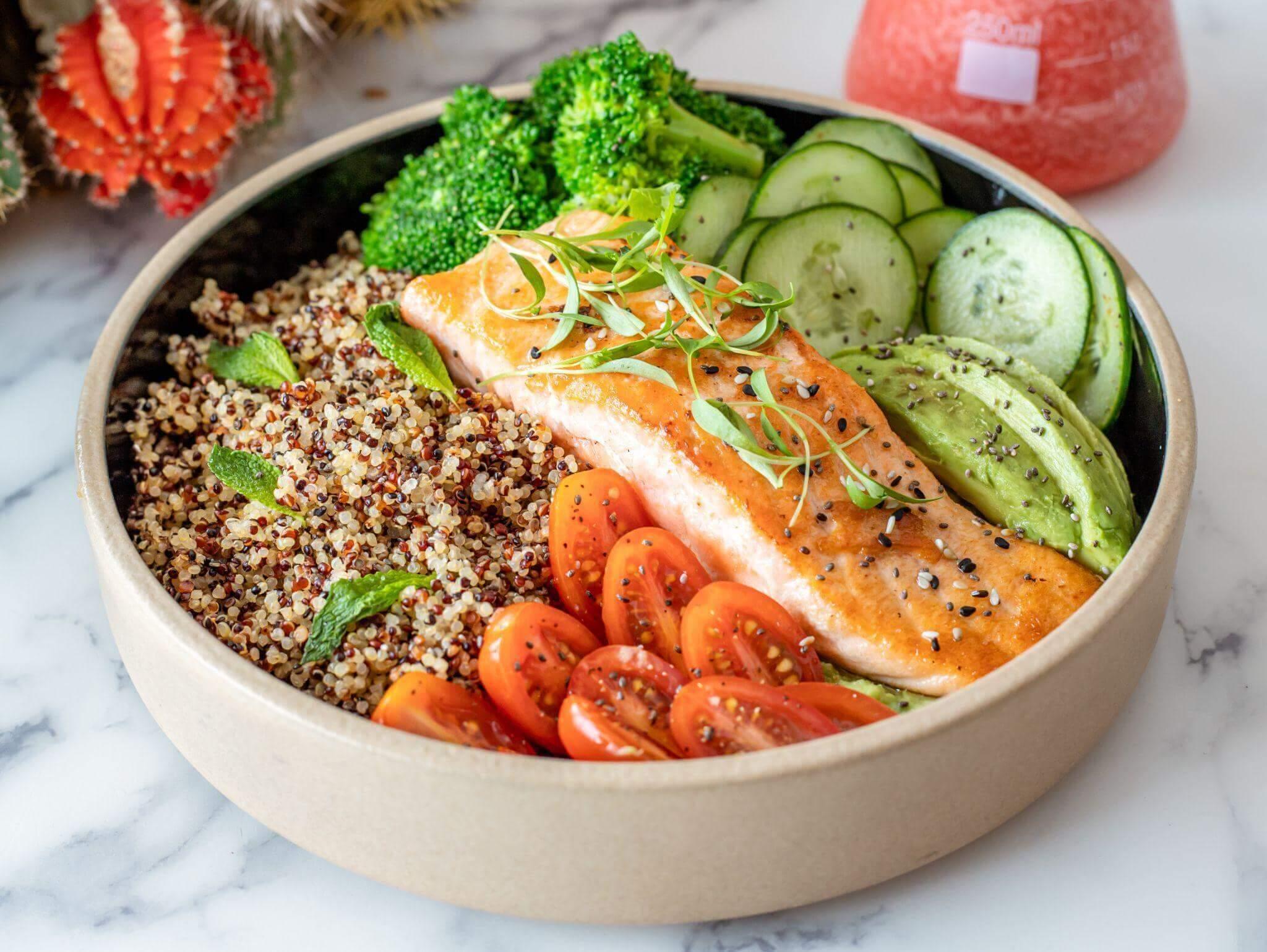
Cook 1/2 cup green lentils and let them cool. You can layer over mixed greens with 4 oz grilled salmon, sliced avocado, cherry tomatoes and a lemon-tahini dressing.
Lentils carry about 15g of fiber per cup. Salmon adds 35g of protein per 6 oz serving plus omega-3s. This bowl keeps my blood sugar flat through the afternoon, which means no 3 p.m. snack raids.
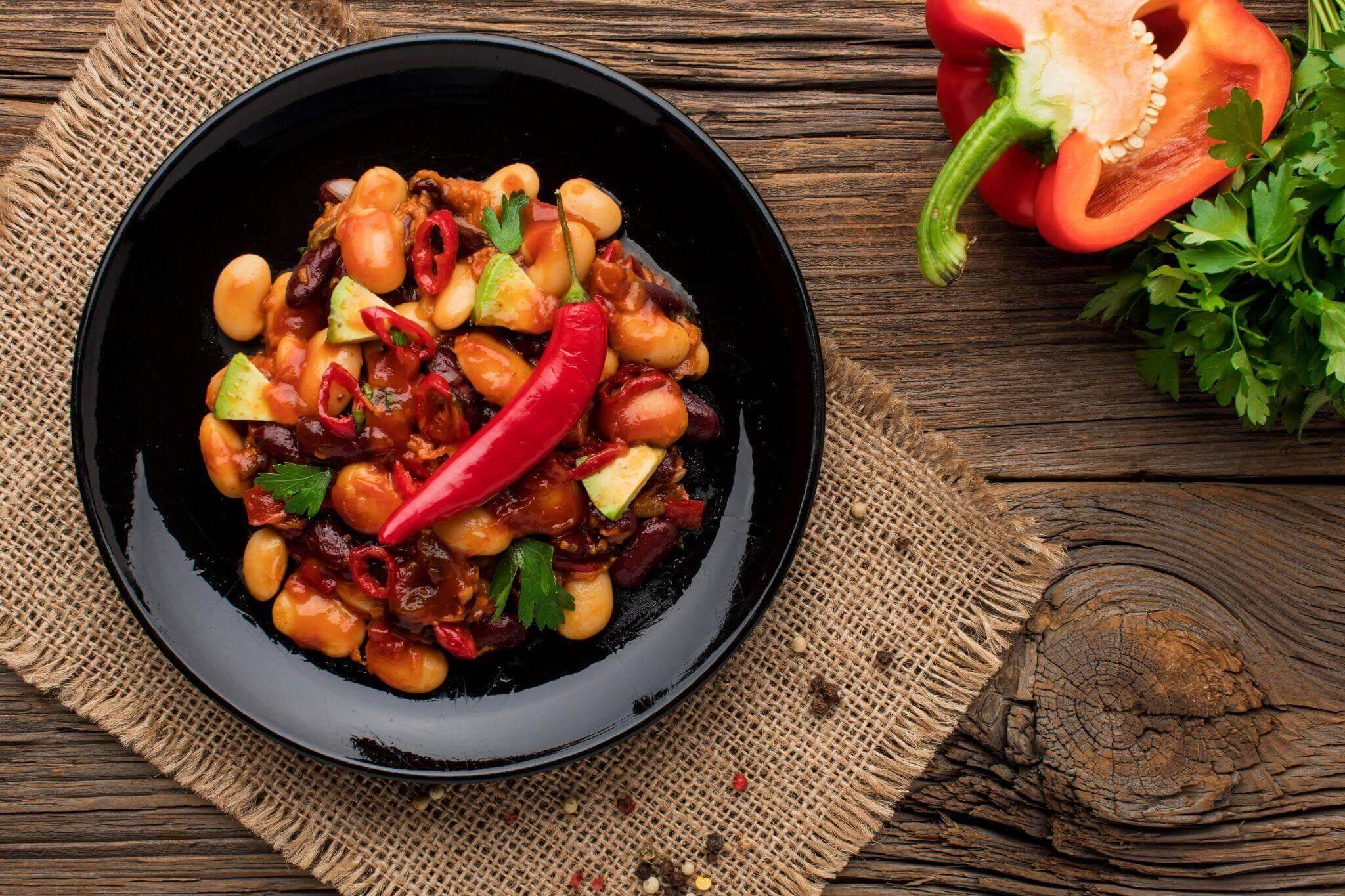
Dinner: Turkey and black bean chili
Brown 1 lb lean ground turkey with diced onion, garlic and bell peppers. Add one can of black beans (drained), one can of crushed tomatoes, cumin, chili powder and a splash of apple cider vinegar. Simmer 25 minutes. Each serving hits about 33g of protein and 12g of fiber. I make a double batch on Sundays and eat it through Wednesday.
Weekly meal plan snapshot
| Day | Protein source | Fiber source |
| Monday | Greek yogurt + eggs | Oats + chia seeds |
| Tuesday | Grilled salmon | Lentils + mixed greens |
| Wednesday | Chicken breast | Quinoa + roasted broccoli |
| Thursday | Ground turkey | Black beans + sweet potato |
| Friday | Tofu stir-fry | Brown rice + edamame |
| Saturday | Whey protein smoothie | Berries + flaxseed |
| Sunday | Lean beef | Chickpeas + spinach |
Aim for 25 to 35 grams of protein and at least 8 grams of fiber per meal. Women should target 25g of total daily fiber; men should aim for 38g.
What the research says (and where it falls short)
No food matches 15 to 17% body weight reduction seen in semaglutide clinical trials. A bariatric surgeon at MemorialCare told Medical News Today that natural ingredients produce a “mild effect” compared to prescription drugs. The 2025 Toxicology Reports review was upfront about this: these compounds work better as part of a broader lifestyle shift than as standalone replacements.
The food-first approach does come with zero side effects. For people early in their weight-loss efforts or those who cannot access or afford medication, building meals around natural Ozempic alternatives is a solid starting point. Add strength training and consistent sleep and you give yourself the best shot at lasting results.
Frequently asked questions
Can food really replace Ozempic for weight loss?
Prescription GLP-1 drugs create much larger hormonal shifts than any meal. But high-protein, high-fiber eating does stimulate your body’s own GLP-1, curbs appetite, and steadies blood sugar. For people without a clinical obesity diagnosis, dietary changes alone may be enough.
How much protein per meal keeps me full?
Most research points to 25 to 35 grams per meal. That is roughly a 4 to 6 oz portion of chicken, salmon or tofu with a fiber-rich side.
Which supplements come closest to mimicking GLP-1 drugs?
Berberine gets the most buzz. It activates AMPK, an enzyme involved in energy metabolism that overlaps with GLP-1 pathways. Study doses range from 500 to 1,500 mg daily. Talk to your doctor before adding any supplement.
How long until I see results from dietary changes?
Most people see fewer cravings within about 2 to 4 weeks. Visible weight change usually follows within 6 to 8 weeks.