How to Make a Difference in Your Community
This post contains affiliate links. Click here to read my affiliate policy.
Last Updated on May 12, 2026
Making a difference in your community can feel challenging. However, the strength of a community lies in its people and the simple actions that can lead to big changes. Each of us can improve our surroundings and help others who live nearby. Whether you want to support local projects, connect with your neighbours, or lend a hand, every effort matters.
Many people want to help but aren’t sure how to start. It’s important to find ways that resonate with you. Getting involved can seem overwhelming with so many choices, but remember that even small actions can have a big impact. Let’s look at how you can make a difference.
Community Engagement
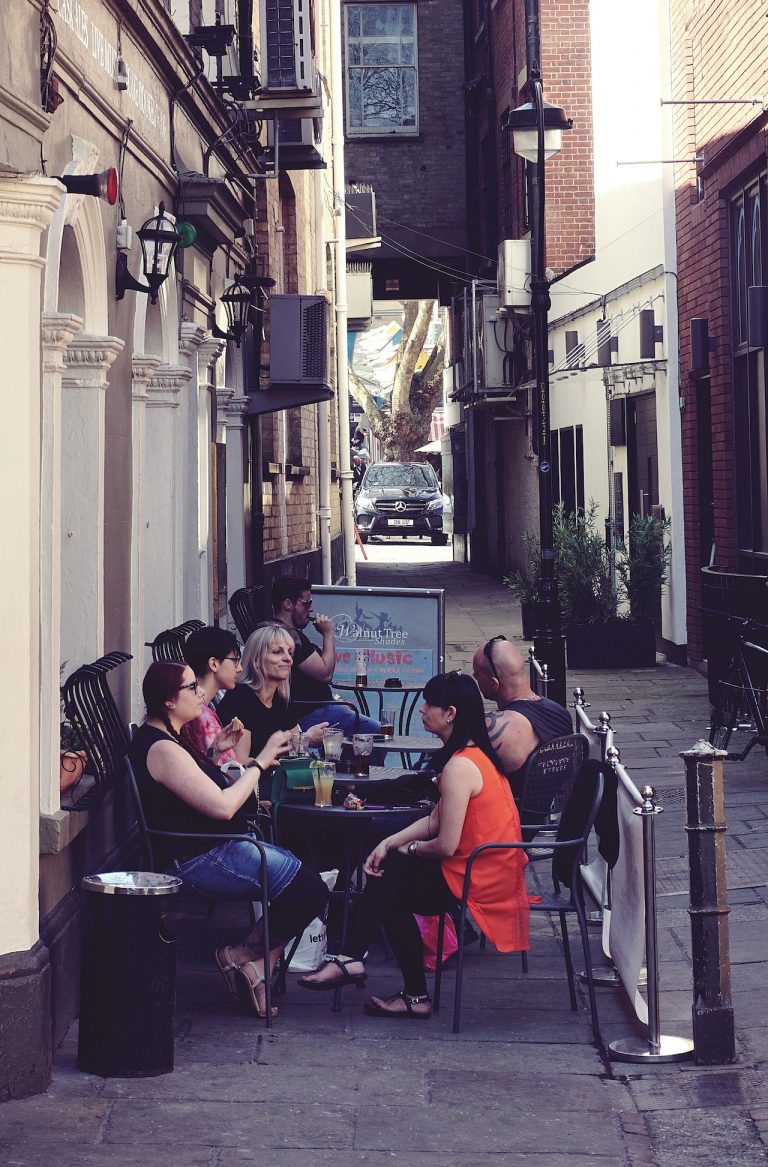
Being active in your community is not just about big efforts. It also means being present and interacting with people around you. Attend local events like farmers’ markets, neighbourhood clean-ups, or town meetings. These events are great ways to meet people and understand what matters to your neighbours.
Joining community clubs or organizations helps you connect with others who share your interests and keeps you informed about ongoing initiatives. Building relationships with local leaders can lead to teamwork that tackles community issues. When people work together, they can come up with creative solutions that improve everyone’s quality of life.

Supporting Local Businesses
Communities thrive on support from local businesses. By shopping at small, local stores instead of large chains, you help the local economy. Local businesses often give back to the community by sponsoring sports teams or supporting charities.
You can also promote local events through your social media. Share information about farmers’ markets, craft fairs, or your favourite café to help raise awareness and encourage others to get involved. When you back your community’s local economy, you help create a stronger, more connected environment.
Volunteer Opportunities
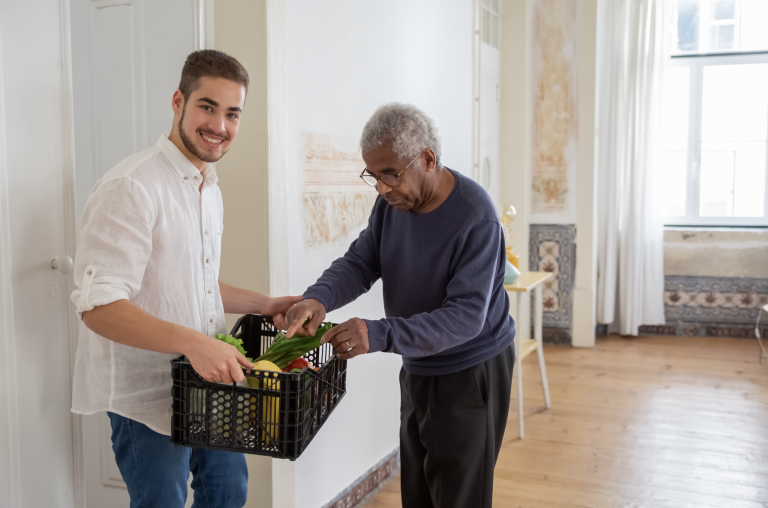
Volunteering is a rewarding way to support your community. There are many volunteer opportunities, such as mentoring youth, helping at animal shelters, or working with food drives at local pantries. Each volunteer role not only provides help but also allows you to gain new skills and meet people from different backgrounds.
Try to dedicate a few hours each month to a cause you care about. You’ll give back and enrich your own life, finding a sense of purpose and community. Organizations usually welcome new volunteers, so don’t hesitate to contact them to find out how you can help.
Education and Awareness
Understanding the challenges your community faces is essential to making a difference. This might involve understanding local environmental issues, social justice challenges, or economic concerns. By being informed, you can have meaningful conversations, making it easier to come up with solutions together.
You could also organize workshops or discussions to raise awareness about specific topics affecting your community. This might be a book club focused on social issues or an art exhibit showcasing local culture. The more knowledge you share, the better prepared your community will be to tackle its challenges.
Collaboration with Local Schools
Schools are often the heart of a community, connecting families through various activities. Working with schools can be very impactful. You can volunteer for after-school programs or read to younger students. By getting involved, you help enhance the educational experience and create a positive environment.
Additionally, schools often need help with maintaining facilities or funding activities. Organizing fundraisers or supply drives benefits both students and teachers. Your involvement not only enhances students’ education but also strengthens community ties.
Environmental Initiatives
It is important to promote environmental awareness and take action to protect your community. If you care about sustainability, consider organizing clean-up days at local parks or waterways. These activities help bring community members together and address the need for a cleaner environment.
Starting a community garden can also make your neighbourhood more beautiful and encourage healthy eating. Working with schools or local organizations can provide the resources you need to start these initiatives. When people come together for a cause like protecting the environment, it builds a sense of pride and ownership in the community.
Active Listening
One of the easiest and most valuable things you can do is listen to your community members. Understanding their experiences, concerns, and ideas is essential for making good decisions on where to focus your efforts.
Talk with different community members to bridge gaps and create a sense of unity. Every voice matters, and when people feel heard, they are more likely to help create positive change.
Making a difference in your community doesn’t require great effort. Small, consistent actions can lead to big changes. With time and commitment, this effort can shape the place you call home. It’s the combined efforts of caring individuals that help a community thrive.
Youth Involvement
Getting young people involved in community activities is important for building responsibility and leadership in future generations. Encourage youth to participate in local projects through service-learning programs in schools or by creating youth councils. These opportunities allow students to express their views and take action on issues they care about.
Mentorship programs can connect younger individuals with experienced community members. When mentors show young people the difference they can make, it builds their confidence and commitment to helping others. When young people feel empowered and engaged, they bring new ideas and energy to community efforts.
Cultural Celebrations
Celebrating diversity in your community helps strengthen relationships and promote understanding among residents. Organize cultural festivals or potlucks where people from different backgrounds can share their food, heritage, and traditions. These events create a sense of inclusion and appreciation for various cultures and histories.
Support local artists by hosting exhibitions or performances that highlight the community’s unique identity. Such events showcase talent and provide a community’s residents to connect and engage in meaningful conversations, enriching the community’s cultural life.

Digital Engagement
Using technology to connect with your community is essential. Start an online group or newsletter to keep residents updated on local events, volunteer opportunities, and important news. Use social media to promote initiatives and encourage participation in community matters.
Creating a website or blog focused on local issues can help gather ideas and feedback from residents. By using digital tools, you make it easier for people to connect, share resources, and stay informed, thereby fostering a more engaged and informed community.