How to Choose Outerwear That Complements Any Outfit
This post contains affiliate links. Click here to read my affiliate policy.
Last Updated on June 11, 2026
Outerwear is important for an outfit because it is the layer that people see first. A jacket, coat or blazer that fits well creates a balanced appearance and shows your personal preferences – these garments are functional because they provide comfort and protection from the weather. They are also effective when they improve the appearance of the clothes underneath. You can create a purposeful and neat look – understanding how outerwear relates to the rest of your clothing.
Understanding Fit & Proportion in Outerwear
Proportions are necessary when you select outerwear to match different outfits. A coat with a defined shape can make a relaxed outfit look more precise. A loose garment can make formal clothing appear less rigid. It is helpful to maintain a balance so the outer layer does not obscure the shape of your other clothes. Simple outfits appear more organized when the proportions of each piece are compatible.
Matching Outerwear to Body Shape & Layers
Consider how you will layer garments when you select outerwear. Pieces made of thick fabric are more functional when the cut is loose. Items made of thin material are suitable when the fit is near the skin. You can achieve a professional look – checking that the seams align with your shoulders and the fabric falls straight along your torso – this practice is helpful to ensure that all layers are compatible with each other.
Incorporating Personal Style
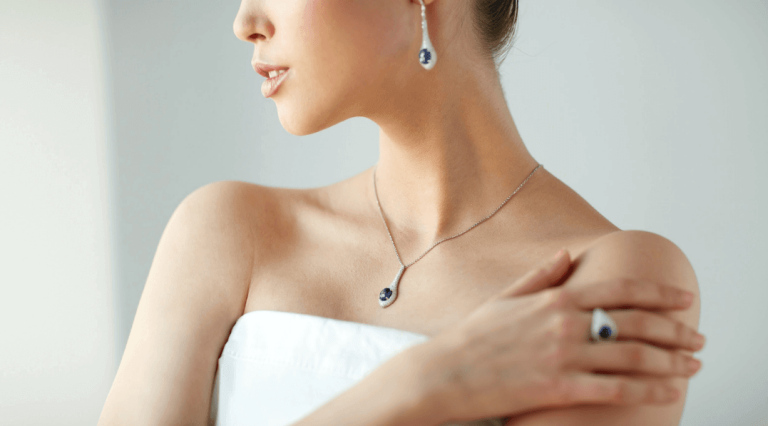
Individual expression is a part of choosing what to wear – Items like body jewelry or nose rings show your personality – these small details are most effective when they complement the outerwear instead of distracting from it. Accessories and outer layers work together to highlight your character while keeping the look consistent.

Matching Colors & Tones for Coordination
Color is a simple tool for coordinating outerwear with an outfit. Tones like black, beige, gray and navy are versatile because they match most other colors – these options allow you to combine different pieces without the risk of colors being visually incompatible. Using these shades is a helpful way to create a flexible collection of clothes.
Using Contrast & Coordination
Contrast can improve the appearance of your clothing even if you prefer neutral colors. A slight difference in color between your outerwear and inner layers adds visual variety. You can achieve a modern look – choosing colors that coordinate rather than match exactly – this approach is appropriate for many different environments.
Choosing Outerwear for Different Occasions
Occasions dictate which outerwear is most suitable – Lightweight jackets or simple coats are practical for daily activities – these items are compatible with casual clothes and maintain a neat appearance. They are functional choices that require little preparation.

Dressing for Formal & Social Settings
Tailored coats and blazers are suitable for formal events – These items appear professional plus follow the shape of the body. In social settings, people frequently choose clothing that is comfortable and reflects their personal preferences – this choice is beneficial because it ensures that a person is dressed appropriately for the occasion.
Styling Details & Accessory Balance
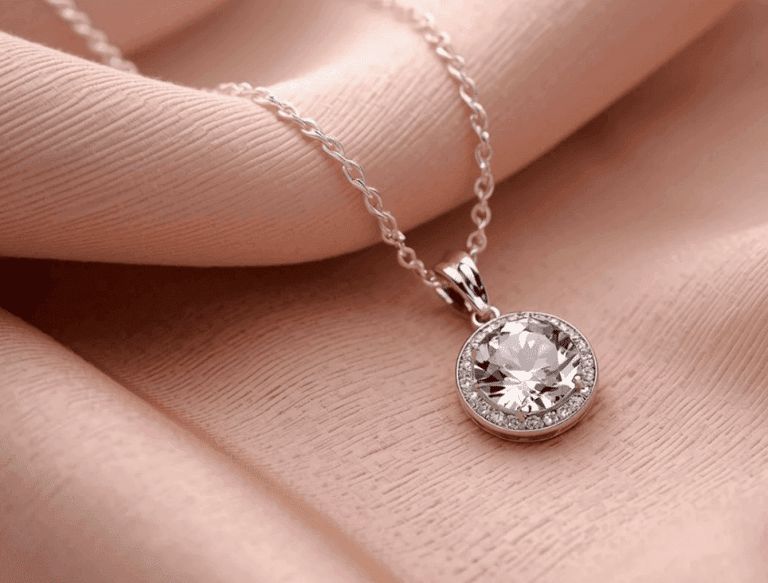
Details change how outerwear and outfits look together – Buttons, fabric textures and material types all contribute to the final appearance. Accessories such as belt and jewelry are also useful for creating a harmonious relationship between your layers of clothing.
Conclusion
Selecting outerwear that coordinates with various clothing items is a process of balancing versatility and personal preferences. Outerwear is a central component of an individual’s appearance when the fit, color plus specific event are all aligned – this garment is more than a layer for protection against the weather because it defines the overall look. If you observe how each piece interacts with your existing wardrobe, you can maintain a uniform appearance that is functional and organized.
Logical planning enables you to use a small number of items effectively since each jacket or coat is compatible with many different outfits – this method ensures that the process of getting dressed is straightforward but also purposeful. You can develop a wardrobe that is unified and flexible if you ensure that your outer layers as well as inner clothing are compatible.