How Continuing Education Helps Nurses Make a Greater Impact
This post contains affiliate links. Click here to read my affiliate policy.
Last Updated on June 18, 2026
Every nurse has had a shift where the questions kept coming, the patient needs kept changing, and there was barely enough time to think before the next decision had to be made. Healthcare moves quickly, and what worked five years ago may not fully address today’s challenges.
That is one reason continuing education has become such an important part of nursing. It is not simply about earning another credential. It is about staying prepared for changing patient needs, new technologies, and the growing responsibilities that many nurses carry throughout their careers.
Learning Beyond Initial Nursing Training
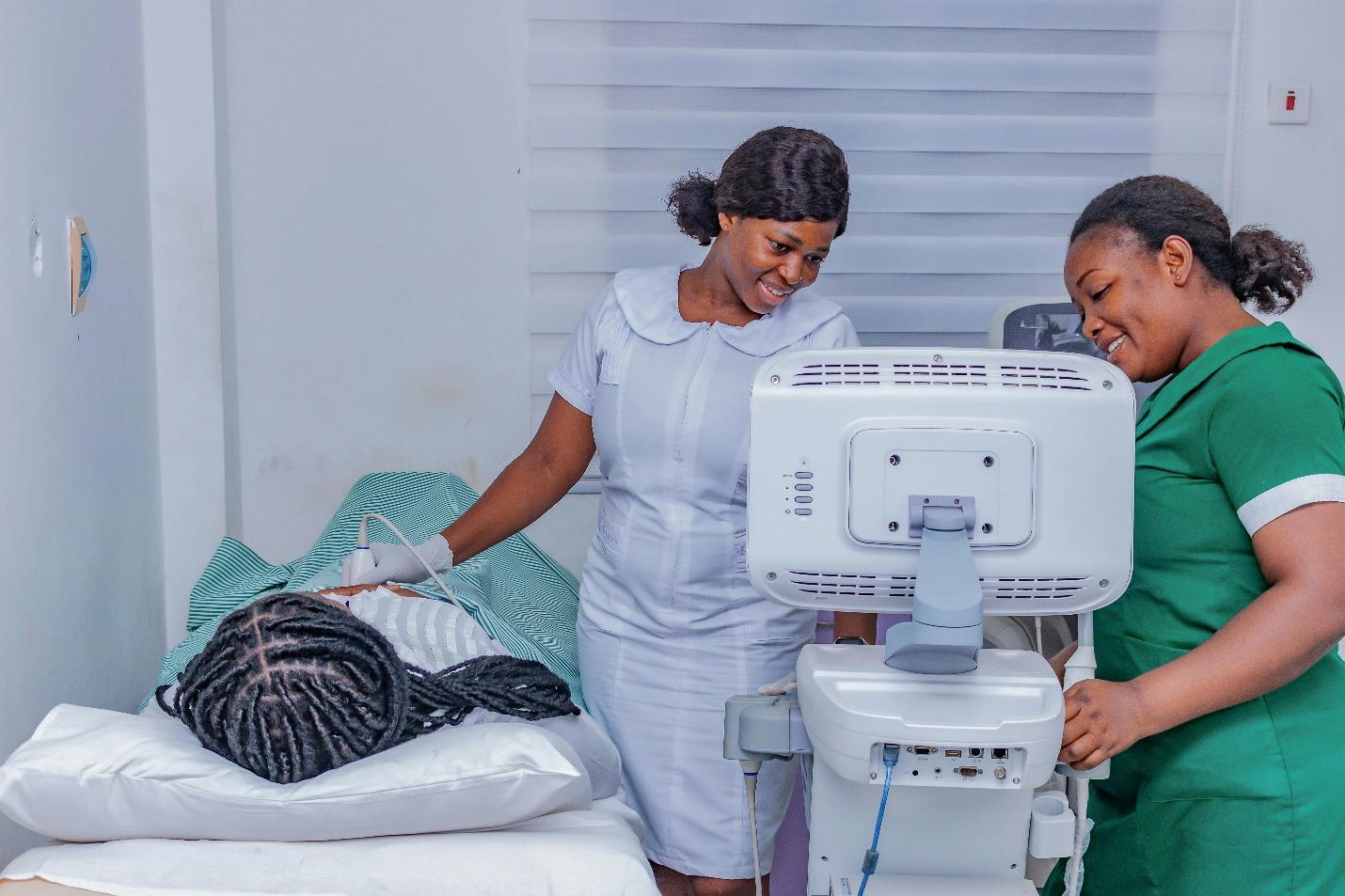
Nursing education does not really stop after graduation. Healthcare systems evolve, treatment approaches change, and patient populations become more complex over time. A nurse who continues learning often gains a broader understanding of patient care, leadership, communication, and clinical decision-making.
This ongoing learning can improve confidence as well. When nurses are exposed to new ideas and updated practices, they may feel better equipped to handle situations that once felt uncertain. That matters because healthcare environments rarely stay predictable for very long.
Why More Nurses Are Continuing Education
As nursing responsibilities continue to expand, many professionals look for educational options that fit around demanding schedules. Working full-time while pursuing advanced education is not always easy, especially for nurses managing rotating shifts, family obligations, and patient care responsibilities. Flexibility has become a major factor when choosing how to continue professional development.
For that reason, many nurses are exploring online MSN programs that allow them to build advanced knowledge while continuing to work. These programs often focus on leadership, healthcare systems, evidence-based practice, and patient outcomes. Rather than stepping away from the workforce, nurses can continue applying what they learn in real-world settings as they progress through their studies.
Better Education Often Leads to Better Patient Care
Patients may never ask where a nurse completed additional training, but they often benefit from the knowledge gained through continued education. Advanced learning can strengthen assessment skills, improve communication, and support more informed clinical decisions.
Healthcare is rarely straightforward. Patients arrive with different medical histories, personal circumstances, and treatment needs. Continuing education helps nurses understand how to navigate these complexities while keeping patient safety and quality care at the center of their work.
Leadership Skills Become Increasingly Important
Leadership is not limited to people with management titles. Nurses lead in small ways every day, whether they are coordinating care, helping families understand treatment plans, or supporting newer staff members. Continued education often strengthens those abilities by providing a better understanding of teamwork, healthcare systems, and decision-making. In practice, effective leadership usually comes down to good judgment, clear communication, and staying calm when things become busy or uncertain. Those qualities can influence patient care just as much as clinical knowledge.
Healthcare Technology Continues to Change
Technology has become part of almost every step of patient care, from digital records to virtual appointments and real-time monitoring tools. For nurses, keeping up with these changes is now part of the job. New systems are introduced, procedures get updated, and workflows shift more often than they used to. Continued learning helps nurses understand how these tools work in practice, not just in theory. The goal is not simply using new technology, but using it well enough to support better care and smoother daily operations.
Expanding Career Opportunities
Many nurses pursue continuing education because they want greater responsibility or new career options. Advanced education may open doors to leadership positions, specialized clinical roles, education, administration, or healthcare policy work.
Career growth is not always the primary motivation, though. Some nurses simply want a deeper understanding of their profession. Others want the ability to contribute more effectively within their current roles. The reasons vary, but the result is often similar. Expanded knowledge creates opportunities that may not have existed before.
Supporting Communities Beyond Individual Patients
Nurses influence more than the people directly under their care. Their work often affects families, caregivers, healthcare organizations, and entire communities. With additional education, nurses may become more involved in population health initiatives, community outreach programs, healthcare planning, and quality improvement efforts. These broader contributions can help address health challenges on a larger scale.
A single nurse cannot solve every healthcare problem. Nobody expects that. Still, well-prepared professionals often become important voices in discussions about improving access, quality, and patient outcomes.
Making a Greater Impact Through Continued Growth
The impact of continuing education extends far beyond career advancement. It influences patient care, strengthens healthcare teams, supports leadership development, and helps nurses adapt to a profession that rarely stays the same for long.
Patients benefit when healthcare professionals continue learning. Organizations benefit from stronger leadership and deeper expertise. Nurses themselves often gain confidence, flexibility, and a broader understanding of how they can contribute.
That is why continuing education remains such an important part of modern nursing. The goal is not simply acquiring more knowledge. It is using that knowledge to make a greater difference wherever patient care happens.