
Restore Your Natural Look with Safe Injectable Correction
This post contains affiliate links. Click here to read my affiliate policy.
Last Updated on July 6, 2026
Many people choose injectable cosmetic treatments to restore facial volume, soften wrinkles, or enhance facial features. While these procedures often deliver excellent results, they are not always permanent, and they do not always meet expectations. In some cases, the filler may have been placed incorrectly, migrated to another area, created unevenness, or simply no longer suits the person’s facial structure after natural aging. The good news is that modern aesthetic medicine offers an effective solution for correcting these concerns. When performed by an experienced medical professional, reversing unwanted filler can help restore facial balance, improve symmetry, and prepare the skin for future treatments if needed. Understanding when correction is appropriate, how the treatment works, and what results to expect helps patients make informed decisions rather than living with results they are unhappy with for months or even years.
When Injectable Corrections Become the Best Option
Many patients worry that they must wait until unwanted filler naturally disappears, but this is not always necessary. Filler Dissolving & Correction is commonly recommended when hyaluronic acid-based fillers create lumps, excessive volume, asymmetry, or migration into surrounding tissues. It can also be appropriate when previous treatments from another clinic have produced an unnatural appearance or when a patient simply wishes to return to their original facial contours before starting a new treatment plan.
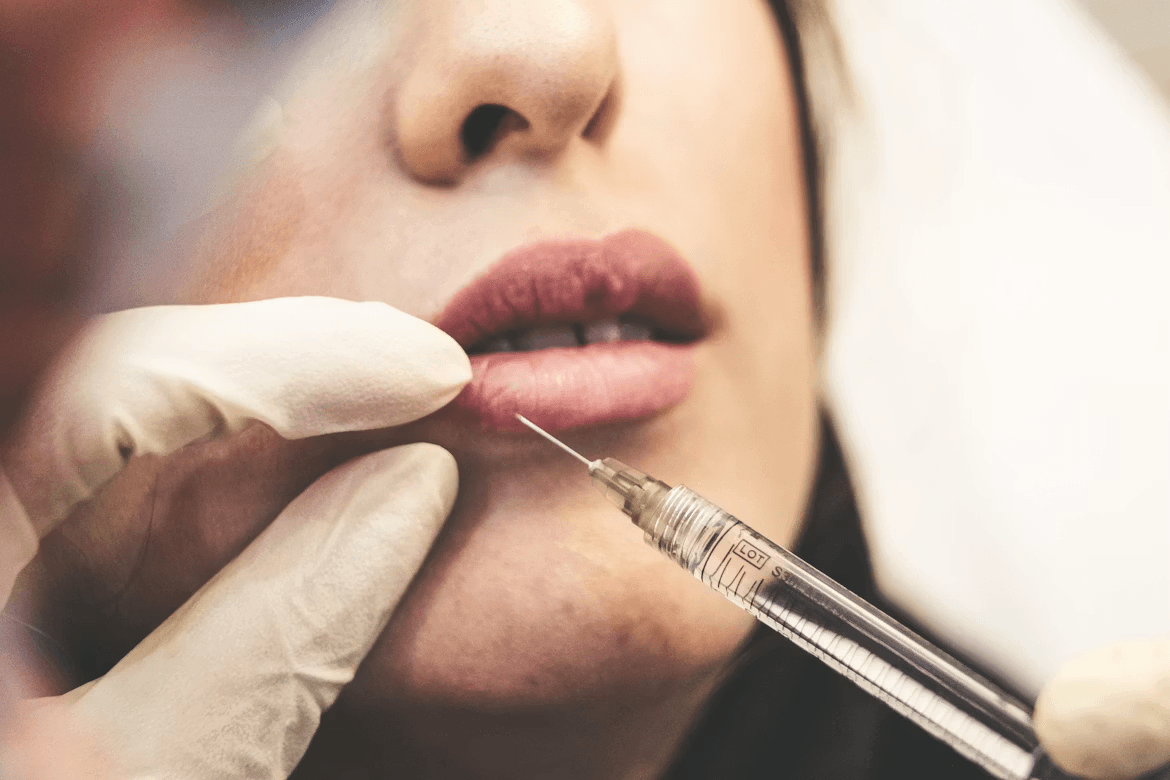
A careful consultation is essential because not every filler can be dissolved, and not every concern requires complete removal. A qualified medical practitioner evaluates the type of filler used, the treatment history, facial anatomy, and the patient’s goals before recommending the safest approach. In many cases, only a small amount of correction is needed to achieve a more balanced and natural appearance instead of removing all existing filler.
How the Treatment Works
The correction process is usually straightforward when hyaluronic acid fillers have been used. During Filler Dissolving, a specially selected enzyme is carefully injected into the targeted area. This enzyme breaks down the hyaluronic acid filler so the body can naturally absorb and eliminate it over time. The amount used depends on several factors, including the type of filler, the amount injected previously, the treatment area, and how long the filler has been present. Some patients achieve their desired result after a single session, while others may require additional treatments for complete correction.
Precision is extremely important because experienced practitioners aim to dissolve only the unwanted filler while preserving natural facial tissues. This customized approach minimizes unnecessary changes and allows for more predictable outcomes that support natural facial harmony.
Common Reasons Patients Choose Correction
Patients seek correction for many different reasons, and each situation requires an individualized assessment rather than a one-size-fits-all solution.
Common concerns include:
- Overfilled lips that no longer look natural.
- Cheek filler creating excessive width.
- Tear trough filler causing swelling or puffiness.
- Jawline filler that feels uneven.
- Chin filler produces asymmetry.
- Filler migration beyond the intended treatment area.
- Lumps or bumps beneath the skin.
- Poor cosmetic results from previous treatments.
- Preparing for a completely new treatment plan.
- Personal preference after facial changes over time.
The decision to correct previous injectable work is not necessarily a sign that the original treatment failed. Facial aging continues every year, individual preferences change, and aesthetic trends evolve. What looked appropriate several years ago may no longer match a patient’s current goals or facial proportions.
What Happens During Your Appointment
The consultation often determines the success of the entire treatment. Before any injections are performed, the practitioner reviews your medical history, discusses previous filler treatments, evaluates facial movement, examines skin quality, and identifies exactly where correction is needed. Photographs may be taken to compare results over time. In many clinics, a small allergy assessment may also be considered when appropriate before treatment begins. During the procedure, small injections are placed only into the required areas. Most appointments are completed within a relatively short time, depending on the number of treatment sites.
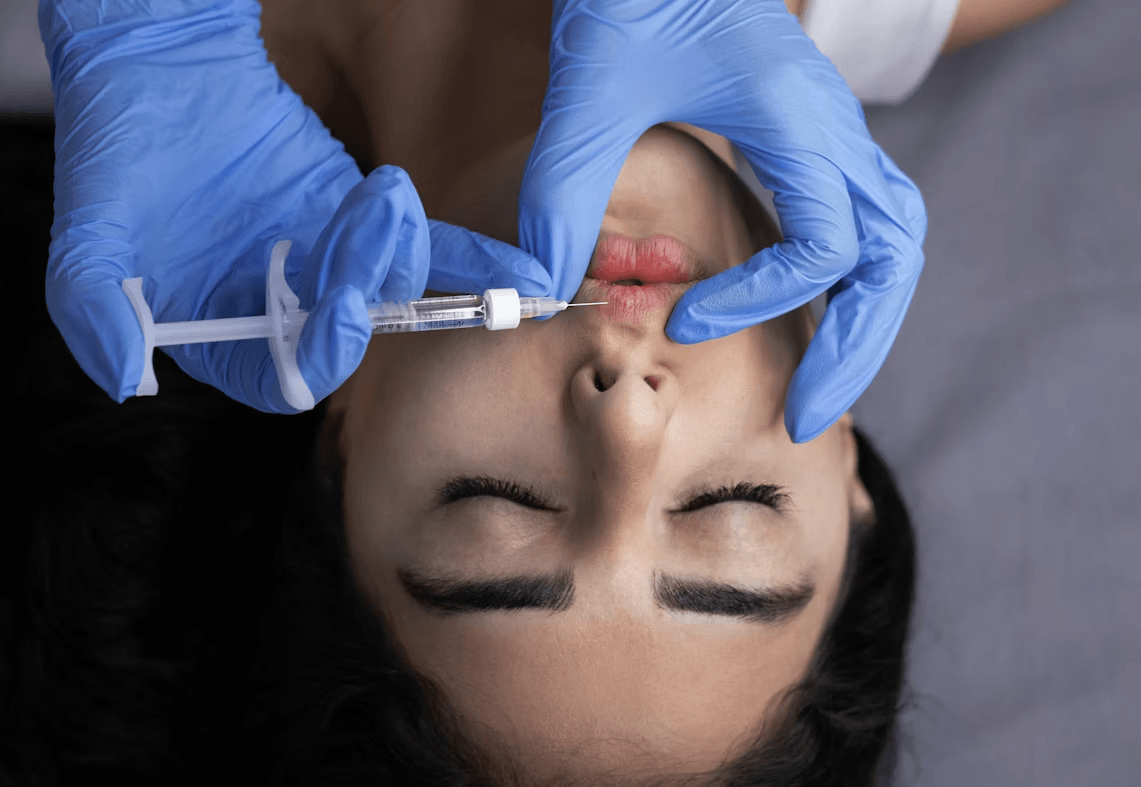
Mild swelling, redness, or tenderness may occur immediately afterward, but these temporary effects generally settle within a few days. Follow-up assessments allow the practitioner to determine whether further refinement is necessary before considering any additional cosmetic procedures.
Expected Recovery and Results
Recovery is generally uncomplicated, although every patient heals differently. The treated area may initially appear slightly swollen, making it difficult to judge the final outcome immediately after the appointment. As the enzyme continues working, the unwanted filler gradually breaks down and is naturally processed by the body. Depending on the amount of filler present, noticeable improvement may appear within days, while final assessment may take longer.
Patients are often advised to avoid unnecessary pressure on the treated area, postpone strenuous exercise for a short period if recommended, and follow all aftercare instructions carefully. Patience is important because facial tissues need time to settle before determining whether additional correction or future enhancement would provide the best cosmetic outcome.
Who Is a Suitable Candidate?
Not everyone with cosmetic fillers requires correction, and suitability depends on both the filler type and the individual’s treatment goals. The best candidates are those who have hyaluronic acid fillers causing aesthetic or medical concerns and who have realistic expectations about the treatment process. Individuals considering correction should openly discuss previous procedures, including when the filler was injected, the product used if known, and whether multiple treatments have been performed over time.
This information helps the practitioner develop the safest and most effective treatment strategy. Patients should also understand that some facial volume loss following correction simply reflects their natural anatomy rather than a treatment complication, making careful planning especially important if future enhancements are being considered.
Can You Have New Fillers Afterwards?
Many patients eventually choose to receive new filler treatments after unwanted product has been successfully corrected. However, timing is important. The practitioner usually recommends allowing the treated tissues to stabilize before considering further enhancement. This waiting period allows swelling to resolve, facial contours to normalize, and the final corrected appearance to become fully visible. Starting again with a conservative treatment plan often produces more natural, balanced results than immediately replacing the same volume that was removed.
Experienced injectors frequently recommend gradual enhancement that respects facial proportions rather than chasing dramatic changes. For many patients, correction becomes an opportunity to achieve results that look fresher, more balanced, and better suited to their natural facial structure.