How Minimally Invasive Treatments Are Changing Modern Beauty Routines
This post contains affiliate links. Click here to read my affiliate policy.
Last Updated on September 25, 2026
Beauty routines have traditionally focused on daily skin care, cosmetics, and other ways of maintaining personal appearance. Today, aesthetic treatments can also be part of how people approach their appearance, with minimally invasive options providing an alternative to more extensive procedures. This shift is influencing how people think about skin, cosmetic treatments, and the range of options available to them.
Skin Care Is About More Than Appearance
A beauty routine often begins with caring for the skin itself. Cleansing, moisturizing, and other daily habits can become regular parts of personal care, but understanding the skin also means recognizing that it is a complex part of the body rather than simply a surface to maintain.
The skin has its own natural environment, which can be an important consideration when developing a personal care routine. According to Active Pure, human skin is home to about 1,000 species of bacteria. This highlights how much exists beneath the surface of what people see when they look at their skin.
That perspective can encourage a broader approach to beauty routines. Instead of focusing exclusively on changing visible features, people may also consider how their everyday habits relate to the condition and appearance of their skin. A routine can therefore include both basic skin care and decisions about whether additional aesthetic treatments fit an individual’s preferences.
The growing connection between skin care and aesthetics does not mean that every routine needs to include professional treatments. Rather, it reflects the range of ways people can approach their appearance, from consistent daily care to procedures that address particular cosmetic concerns.
Minimally Invasive Options Are Part of Modern Beauty
Aesthetic care has also expanded beyond the traditional idea of cosmetic surgery. Minimally invasive procedures can provide another category of treatment for people interested in addressing specific aspects of their appearance without making a surgical procedure the center of their beauty routine.
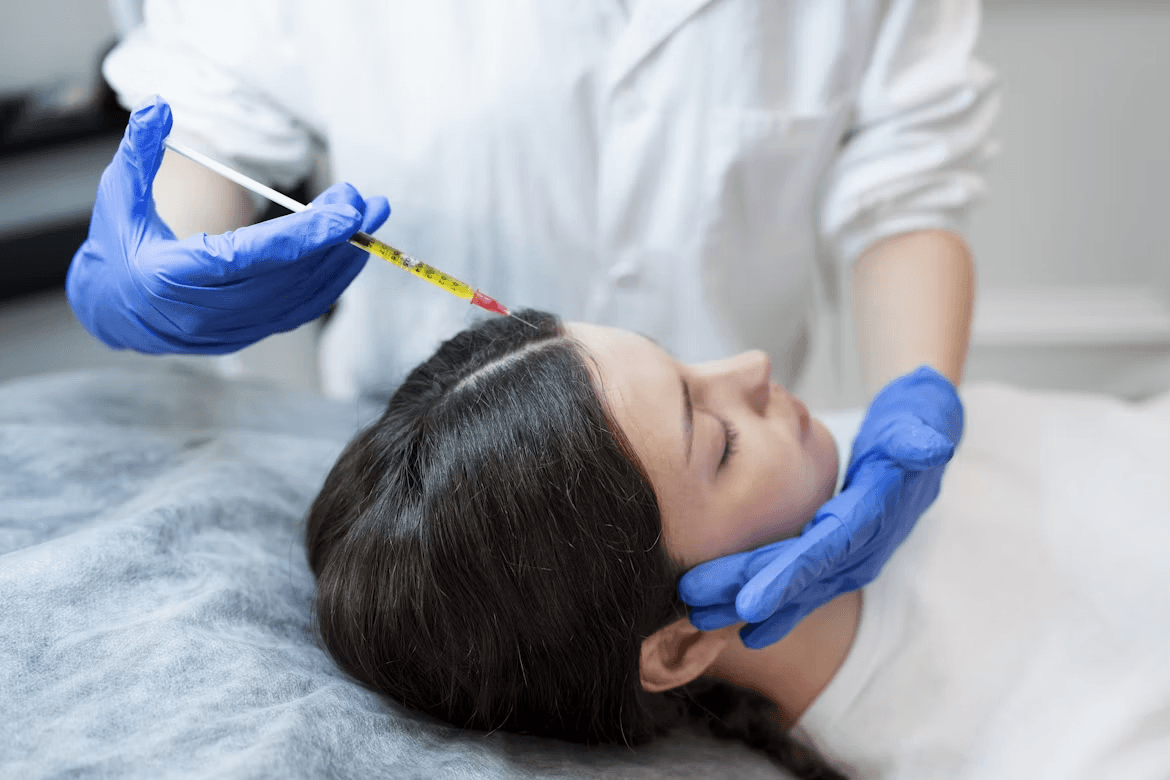
According to aafprs.org, minimally invasive procedures, including treatments such as Botox and dermal fillers, account for 80% of treatments. This illustrates how these types of procedures have become a significant part of modern aesthetic care.
For some people, incorporating an aesthetic treatment into an established beauty routine can represent a different approach to cosmetic care. Instead of viewing beauty as something limited to products used at home, they may consider professional treatments alongside their existing routines.
This can also change the way people think about the relationship between everyday skin care and aesthetic services. A person might maintain a routine while also considering a treatment that addresses a particular concern. The two approaches do not necessarily have to be viewed as separate parts of personal care.
Aesthetic Care Is Expanding Across Different Preferences
Modern beauty routines can also reflect the fact that aesthetic treatments are not limited to one type of patient. People can have different reasons for considering cosmetic procedures, and their preferences may vary based on the areas they want to address and the type of treatment they are comfortable pursuing.
Men, in particular, are represented in cosmetic procedure statistics, demonstrating that aesthetic care can be part of men’s personal appearance routines as well. According to Statista, liposuction was the second most performed plastic surgery procedure among men in the U.S. in 2022, with 19,593 procedures registered.
This figure provides an example of how cosmetic procedures can fit into a broader understanding of modern beauty. Aesthetic care is not necessarily defined by one routine, one treatment, or one type of person. Instead, individuals can approach cosmetic procedures according to their own preferences and the changes they are interested in making.
As these options become part of conversations about personal care, the distinction between a traditional beauty routine and professional aesthetic treatment can become less rigid. Daily skin care remains an important part of personal maintenance, while minimally invasive and surgical procedures represent additional options for those who choose them.
Modern beauty routines are therefore becoming more varied in how people approach their appearance. From recognizing the complexity of the skin to considering minimally invasive treatments and broader cosmetic options, beauty care can encompass many different approaches. Ultimately, the changing landscape gives individuals more ways to define what their own routine looks like.