
Moving to Canada: Your Grocery Budget and Your IRA
This post contains affiliate links. Click here to read my affiliate policy.
Last Updated on November 4, 2026
When a family moves north, the kitchen usually gets planned first. You want to know where to buy almond flour, good beef and gluten-free bread that does not crumble. The quieter questions are about money, especially savings that stay behind in the US.
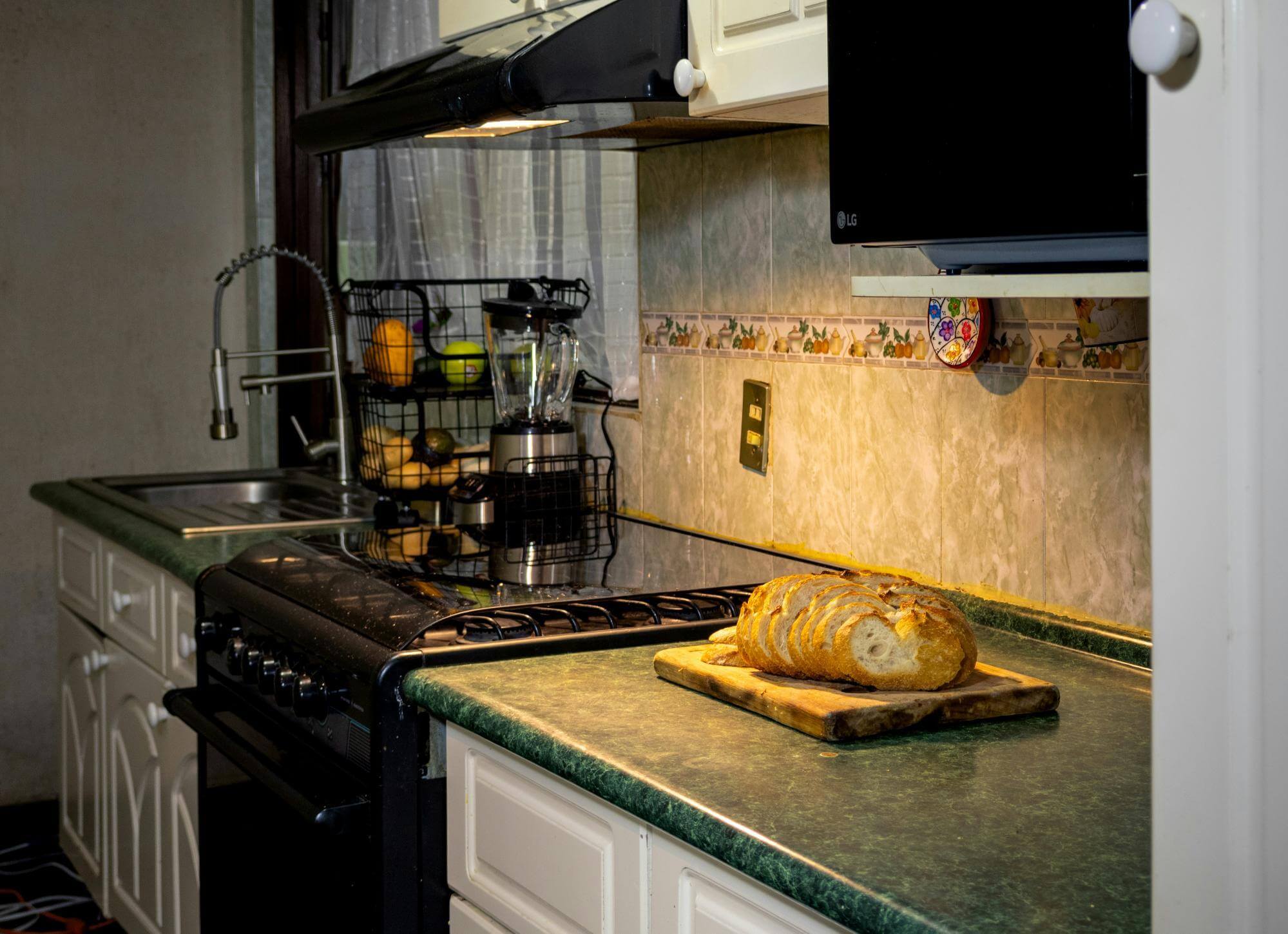
Photo by David Marquez on Unsplash
Retirement accounts are the big one. Reading up on options for U.S. IRA account holders when living in Canada is worth doing before the moving truck is booked. This guide covers the food side and the money side together, with general information rather than personal advice.
What Changes at the Checkout After You Move?
Special diets cost money on both sides of the border. Celiac Canada says 1 in 100 Canadians live with celiac disease, so gluten-free shelves are easy to find. That fits a global meta-analysis that put biopsy-confirmed prevalence at 0.7% and antibody-based prevalence at 1.4%. The prices can still sting. Food and health costs share one family wellness budget, so plan them together.
A budget guide from Celiac Canada gives a family’s own examples. Gluten-free bread and buns there usually cost $7.99. The writer was excited to find bread for $5.99, where $2 and under once counted as a great bread price. Gluten-free pasta ran $3.49 a box at regular price.
The same guide stresses knowing your regular, sale and stock-up prices. It also suggests bulk buying for staples like flour and rice. Clearance shelves and loyalty programs get a mention as well. For paleo and keto cooks, that habit of tracking prices transfers neatly to a new country. Batch cooking helps too, and turning leftovers into meals stretches every grocery run further.
On the shelf, the Celiac Canada logo is a handy shortcut. It belongs to the Global Standard Gluten-Free, a gluten-control program Celiac Canada created with the Allergen Control Group in 2011. Certified products cannot contain gluten ingredients added on purpose, even ones processed to remove the gluten.
Can a Gluten-Free Diet Count at Tax Time?
In Canada, it can for some families. Celiac Canada explains how people with celiac disease can claim the incremental cost of gluten-free products as a medical expense. Here is how its guide lays out the process.
- Get a letter. A doctor, nurse or nurse practitioner should confirm the diagnosis and that the diet is needed for life. You keep it unless the CRA asks.
- Keep every receipt. Claim only items you have receipts for.
- Work out the average. Divide your gluten-free spending by the number of packages.
- Compare a similar product. Scale a comparable regular item to the same size and subtract its price.
- Multiply the difference. Its cookie example works out to about $1.80 extra per package across 20 packages.
The claim covers only the person diagnosed, not the whole household. Read the incremental cost guide alongside the CRA’s medical expense rules before you file.
Which IRS Numbers Should You Know for 2026?
These figures come from IRS pages and apply to the account wherever you live.
| Rule | 2026 figure |
| IRA contribution limit | $7,500, or $8,600 if age 50 or older |
| Early withdrawal | Additional 10% tax before age 59½, unless an exception applies |
| Required minimum distributions | Generally start the year you reach 73 |
Two details catch movers out. Contributions cannot exceed your taxable compensation, and IRS Publication 590-A says excluded foreign earned income does not count as compensation. Also, Roth IRAs have no required distributions while the owner is alive.
What Options Do IRA Holders Usually Weigh?
Once you live in Canada, the IRS and the CRA both count your income from all sources, though a treaty can exempt some foreign income. The CRA’s Form T2209 may give you a foreign tax credit, and eligible US filers abroad get an automatic extension, generally to June 15.
Every household is different, and none of these points is a recommendation. They are the questions most movers end up asking.
- Keep, move or consolidate? Ask your custodian whether it can keep serving an account with a Canadian address.
- Keep contributing? Check whether you will have taxable compensation that is not excluded.
- When to withdraw? Timing matters because both countries look at the same income.
- Who should advise you? Look for someone who works in both systems, and check their record on the SEC’s Investment Adviser Public Disclosure site.

Photo by FIN on Unsplash
A cross-border specialist can model these choices with your real numbers. That is the step general guides cannot replace. Bring recent statements, your expected Canadian income and a rough idea of when you might retire. The more complete the picture, the more useful the advice.
Before the Moving Truck Arrives
Work through this list while you still have US paperwork close at hand.
- Gather IRA statements and note each account type.
- Note regular, sale and stock-up prices for gluten-free bread, pasta and flour at your first few stores.
- Mark June 15 and April 15 for US filings, and April 30 for Canada.
- Save grocery receipts from day one if anyone in the house has celiac disease.
- Book time with a cross-border adviser before making any withdrawal.
Frequently Asked Questions
Is There Still an IRA Contribution Limit for Me?
Possibly, if you have taxable compensation. The 2026 limit is $7,500, or $8,600 at age 50 or older. Income you exclude as foreign earned income does not count toward that compensation.
Will Canada Tax My IRA Withdrawals?
Canadian residents generally report world income, and the treaty can exempt some foreign income. The answer for your account depends on the details. A cross-border tax professional can confirm how your withdrawals would be treated.
How Can I Find Gluten-Free Staples In a New Canadian City?
Look for the Celiac Canada logo on packages, since certified products go through final testing for less than 20 ppm of gluten. Celiac Canada also has local chapters and support groups, mostly run by volunteers. Its online peer support group is a place to ask questions and share gluten-free finds.
Can I Claim Gluten-Free Food Costs On My Canadian Return?
Celiac Canada says people diagnosed with celiac disease can claim the extra cost of gluten-free products as a medical expense. You need a letter from a medical practitioner and receipts. Only the diagnosed person’s food counts.