
Vitamin D for Muscle Recovery: Why Active Adults May Need More
This post contains affiliate links. Click here to read my affiliate policy.
Last Updated on March 10, 2026
If you exercise regularly but stay sore longer than expected, your recovery routine may be missing an important nutrient: vitamin D. Many adults focus on training harder or longer, but recovery often depends on proper nutrition and healthy vitamin levels.
One nutrient that plays an important role in recovery is vitamin D. Many athletes and fitness enthusiasts look into vitamin d for muscle recovery because it helps support muscle function, reduce inflammation, and promote overall health. While the body can produce vitamin D through sun exposure, many people still struggle to maintain healthy levels, especially those who spend long hours indoors or train inside gyms.
For active adults, low vitamin D levels can make recovery slower and increase the risk of fatigue or injury. Understanding how vitamin D supports muscle repair can help you build a more balanced recovery routine and keep your body performing at its best.
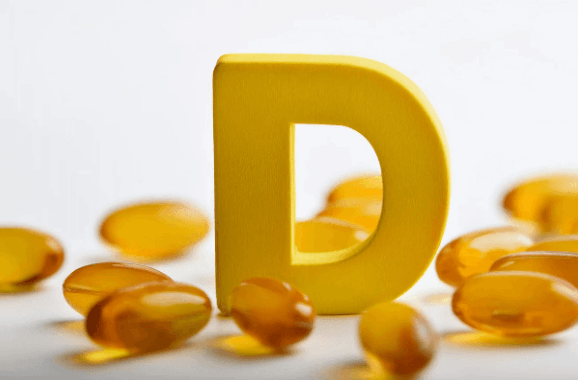
How Vitamin D Supplements Support Muscle Recovery
The body can produce vitamin D through sun exposure. However, it can also be obtained through diet. Vitamin D helps the body absorb calcium, keeps bones healthy, and supports the immune system.
Vitamin D also plays an important role for people who live active lifestyles. Research published in the Journal of the International Society of Sports Nutrition suggests that adequate vitamin D levels may support muscle strength, physical performance, and recovery in athletes and active individuals.
Without adequate vitamin D levels, people who engage in frequent physical activity may feel weak or tired and may be more prone to injuries and fatigue. Maintaining healthy vitamin D levels can support muscle repair and help the body recover after physical exertion.
For those working toward fitness goals, ensuring proper vitamin D intake can be an important step in supporting overall muscle health and recovery.
Vitamin D Supplement Sources and Recommendations for Active Adults
Getting enough vitamin D through natural sunlight exposure or supplementation is important for an effective training and recovery plan. Many people are unable to synthesize enough vitamin D through sunlight exposure due to geographic location, lifestyle factors, or skin type.
Because of this, physically active individuals may need to address their vitamin D intake through diet or supplements.
Vitamin D can be found in foods such as:
- Fortified milk and cereals
- Egg yolks
- Fatty fish such as salmon or mackerel
If you enjoy homemade recipes, you might also like these gluten free sourdough cinnamon buns from A Girl Worth Saving:
Strategies Beyond Vitamin D Supplement for Muscle Recovery

According to the National Institutes of Health, most adults need around 600 to 800 IU of vitamin D per day, although individual needs may vary depending on age, lifestyle, and sun exposure. However, it is always best to work with a doctor or healthcare provider to determine the right dosage based on individual health needs and lifestyle.
Vitamin D is only one part of an effective muscle recovery plan. Other important recovery strategies include hydration, balanced nutrition, and adequate sleep.
Active adults can support recovery by:
- Eating enough protein to help repair muscle tissue
- Allowing adequate time between workouts
- Getting sufficient sleep to support muscle repair and growth
Reducing muscle soreness can also be supported by foam rolling, stretching, and including recovery exercises in your fitness routine.
Some people also explore natural remedies to help support muscle comfort and skin care. Castor oil has gained popularity in recent years for castor oil scalp hydration and promoting healthy hair. Because it contains moisturizing and anti-inflammatory properties, it is sometimes used to soothe dry skin and tired muscles after physical activity. While it is not a replacement for proper nutrition or recovery practices, adding natural remedies like castor oil to a wellness routine may help support overall comfort and relaxation.
A complete recovery routine often combines rest, proper nutrition, and supportive natural solutions.
Vitamin D for Muscle Recovery – Final Words
Recovery is a key part of maintaining an active lifestyle. While hydration, sleep, and balanced nutrition are all important for muscle repair, vitamin D also plays a valuable role in helping the body recover after physical activity.
Active adults who maintain healthy vitamin D levels may experience better muscle function, reduced fatigue, and faster muscle recovery after workouts. This vitamin can be obtained through sunlight, food sources, or supplements when necessary.
As with any supplement, it is important to consult a healthcare professional before making changes to your vitamin intake. By paying attention to vitamin D intake and combining it with other healthy recovery habits, active individuals can support their overall wellness and continue working toward their fitness goals with greater consistency.