7 Ways Fiber Internet Supports a Smoother, More Balanced Home Life
This post contains affiliate links. Click here to read my affiliate policy.
Last Updated on May 14, 2026
In many homes today, internet access quietly supports the rhythm of daily life. From planning meals and streaming workouts to managing work tasks and staying connected with loved ones, it plays a steady role behind the scenes. In Dallas, particularly, internet use has moved well beyond simple browsing or checking emails. When everything runs smoothly, it is easy to focus on what matters. When it does not, even simple routines can feel disrupted.
As our homes become more centered around comfort, efficiency, and well-being, the type of internet connection we rely on starts to matter more. Some systems were built for lighter use, while others are better suited for the way we live now. Options like fiber internet are designed to support multiple needs at once, helping everything flow more naturally throughout the day.

1. Data Delivery Is Fundamentally Different
Most traditional connections rely on electrical signals moving through copper lines. Fiber uses light.
That change might sound technical, but it affects how smoothly things work during everyday routines. Whether you are following a new recipe video or planning meals for the week, light-based transmission helps information move with fewer interruptions. The result is not just higher speeds, but a more seamless experience.
It feels less like dealing with delays and more like everything simply working when you need it.
2. Performance Is Less Dependent on External Conditions
Some internet types are more sensitive to environmental factors than people realize. Electrical interference, aging cables, and even surrounding infrastructure can influence how stable a connection feels. Fiber is less affected by these variables.
Since it does not rely on electrical signals in the same way, it avoids many of the disruptions that impact older systems. For households exploring local options like fiber internet in Dallas, this often translates into fewer interruptions while managing daily tasks like online grocery shopping, streaming workouts, or staying connected with family.
Over time, that consistency becomes easier to notice. Things feel steadier, even when life gets busy.
3. Network Congestion Is Handled More Efficiently
In many neighborhoods, internet traffic moves through shared pathways. When too many users are active at once, performance can dip.
Fiber networks are designed to carry larger volumes of data without hitting those limits as quickly. This helps everyday activities continue without slowdowns, whether it is streaming a cooking tutorial or catching up on a wellness class.
It does not mean congestion disappears entirely. But it becomes much less noticeable during typical busy hours.
4. Signal Quality Stays More Consistent Over Time
With older infrastructure, performance can gradually decline. Wear and tear on copper lines, small disruptions, or outdated components can introduce inconsistencies.
Fiber tends to maintain signal quality longer. That consistency supports daily routines, so things like following recipes, joining virtual classes, or managing home tasks feel more predictable.
It shows up in fewer random drops and fewer moments where something suddenly slows without explanation.
5. Bandwidth Handles Modern Usage Patterns Better
Internet usage used to be more linear. One activity at a time. Now, everything overlaps.
Streaming while prepping meals. Smart devices updating in the background. Fitness apps running while other tasks are happening.
Fiber is built to handle this layered usage. It supports multiple streams of data moving simultaneously without forcing them to compete as heavily for bandwidth. It is less about peak speed and more about how well everything flows together in a busy home.
6. Infrastructure Requires Fewer Workarounds
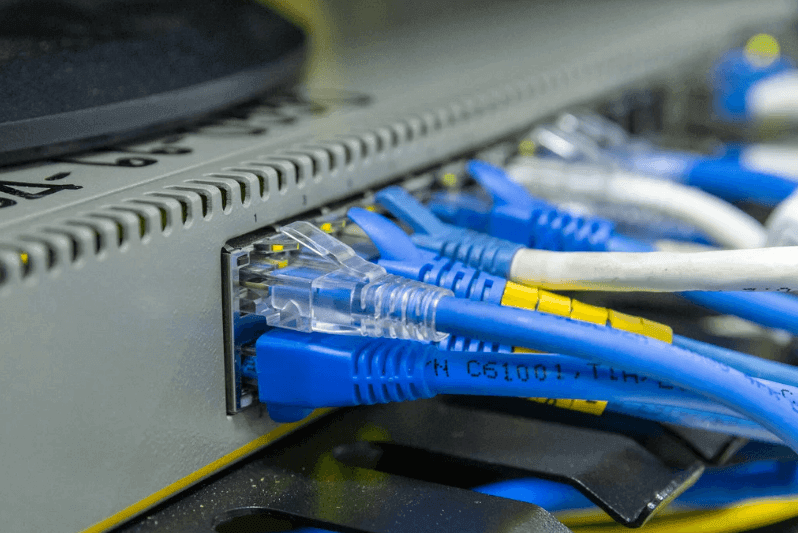
Older connection types often rely on a mix of technologies patched together over time. Boosters, amplifiers, or routing adjustments become part of maintaining performance.
Fiber internet networks are more straightforward in design. Fewer dependencies and fewer adjustments mean less time spent troubleshooting and more time focusing on things that matter, like cooking, relaxing, or taking care of your well-being.
That simplicity helps everything feel easier to manage.
7. Long-Term Scalability Is More Practical
As internet demand grows, some networks require significant upgrades to keep up. New equipment, expanded capacity, sometimes even infrastructure changes.
Fiber is easier to scale without major overhauls. Increasing capacity often involves updates at the network level rather than replacing entire systems.
That makes it a more practical choice for households that continue to rely on digital tools for recipes, wellness resources, and everyday living as needs grow over time.
Final Thoughts
The differences between fiber internet and other internet connections may not stand out right away, but they become more noticeable over time. Steady and reliable communication supports daily routines, reduces small frustrations, and allows everything in the home to run more smoothly.
In a busy household, where work, meals, and moments of rest all overlap, having a dependable connection can make a meaningful difference. Choosing the right setup is less about technical details and more about creating an environment that feels calm, consistent, and easy to manage. Fiber helps support that kind of balance by removing many of the everyday interruptions people have come to expect.