The Little Details That Make a Home Feel Well Cared For
This post contains affiliate links. Click here to read my affiliate policy.
Last Updated on December 29, 2025
Many homes look fine on the surface, yet they do not feel right once you spend time in them. Drawers stick. Lights feel harsh or dim. Small problems add up fast. Homeowners often ignore these issues because they seem minor. Over time, that choice affects comfort and daily ease. People want a home that feels steady and looked after, not perfect or show-ready. In places like Ankeny, busy schedules make it easy to delay small fixes. This article focuses on details that signal care and attention. These details shape how a home feels every single day. They do not require big budgets or major projects. They require noticing what affects daily life and dealing with it early.
Doors and Hardware That Feel Solid
You notice loose handles and squeaky doors more than you think. These small issues interrupt daily routines. A door that sticks can cause frustration every morning. A wobbly knob feels careless, even in a clean room. Fixing these issues takes little time. Tightening screws or adding lubricant can solve most problems. Solid hardware gives a sense of order. It tells guests and residents that someone pays attention here. These fixes also prevent bigger damage later. Ignoring them often leads to broken parts and higher costs.
Bathrooms That Feel Fresh and Functional
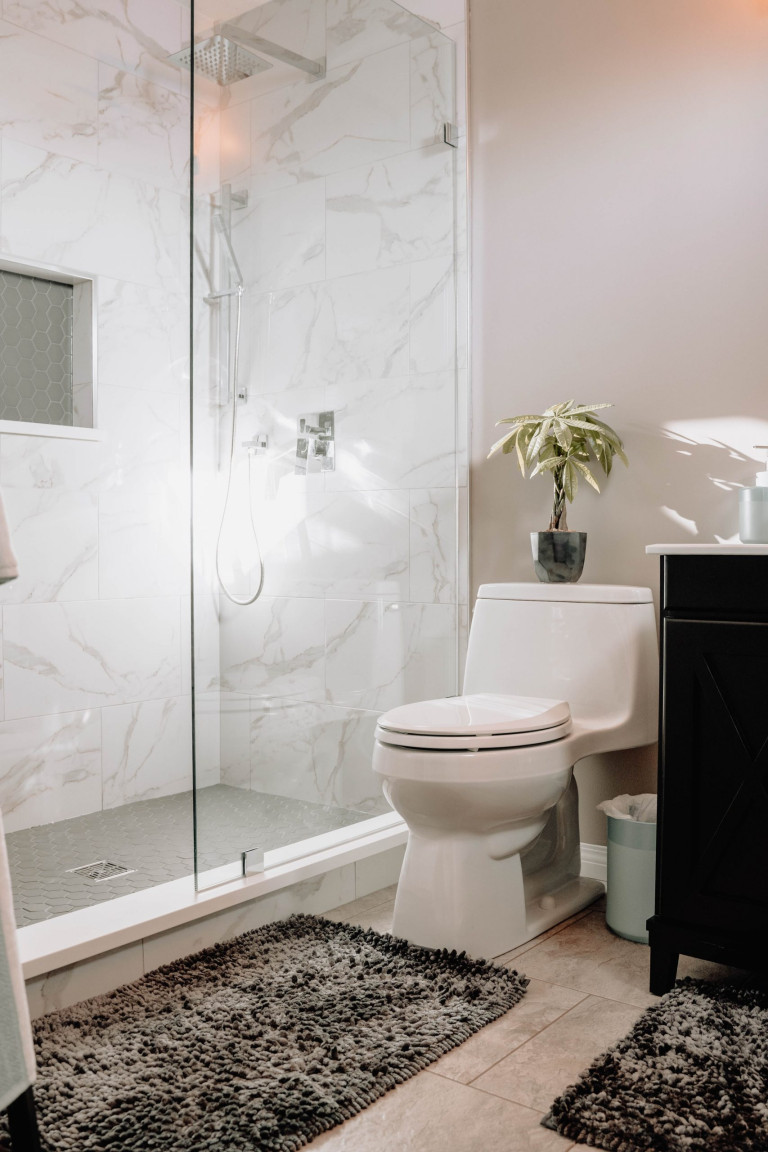
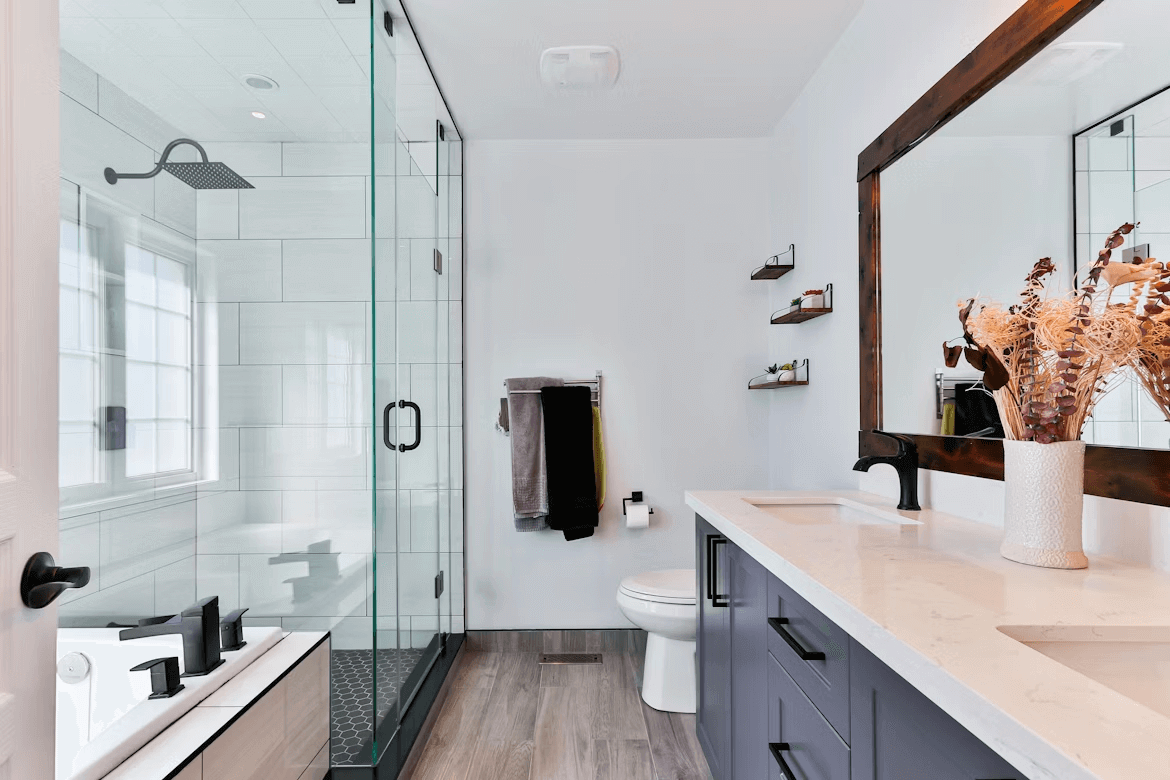
Bathrooms reveal neglect faster than other spaces. Grimy grout, worn caulk, and leaky fixtures change how clean a bathroom feels. Ventilation also matters. Poor airflow leads to moisture problems that spread quickly. Replacing small parts helps more than people expect. A new showerhead or updated faucet can improve daily use. For some homeowners, working with local Ankeny bathroom remodeling experts might be the right choice to address these issues properly. The goal stays the same. The space should feel clean, safe, and easy to use every day.
Lighting That Matches the Space
Lighting affects mood and function more than decor. Rooms feel off when bulbs differ in color or brightness. One harsh light can make a clean space feel cold. Dim corners can make a room feel neglected. Matching bulbs creates balance. Good lighting also supports daily tasks like cooking or reading. Lamps and fixtures should match how you use the space. Replace flickering bulbs right away. Clean light covers often get overlooked. Dust blocks light and dulls rooms. Simple lighting care makes spaces feel intentional and comfortable.
Floors That Show Regular Care
Floors take more wear than almost any surface. Scuffs, crumbs, and stains stand out fast. Clean floors show routine care, not deep cleaning. Sweeping high-traffic areas often makes a big difference. Rugs should lie flat and stay clean. Curling edges look careless and cause trips. Address small damage early. A loose tile or lifted board rarely fixes itself. Floors connect every room. When they look cared for, the whole home feels more stable and lived in.
Walls That Look Maintained
Walls cover a large part of every room, so damage shows quickly. Small scuffs, chipped paint, and nail holes can make a space feel tired. These issues often come from normal use. That makes them easy to overlook. Touch-up paint can fix most marks if done early. Keeping leftover paint from past projects helps with quick repairs. Pay attention to high-traffic areas like hallways and stairways. These spots need care more often. Clean walls also matter. Grease, dust, and fingerprints build up over time. A simple wipe-down keeps walls looking fresh. Well-kept walls help rooms feel intentional and cared for.
Storage That Supports Daily Habits
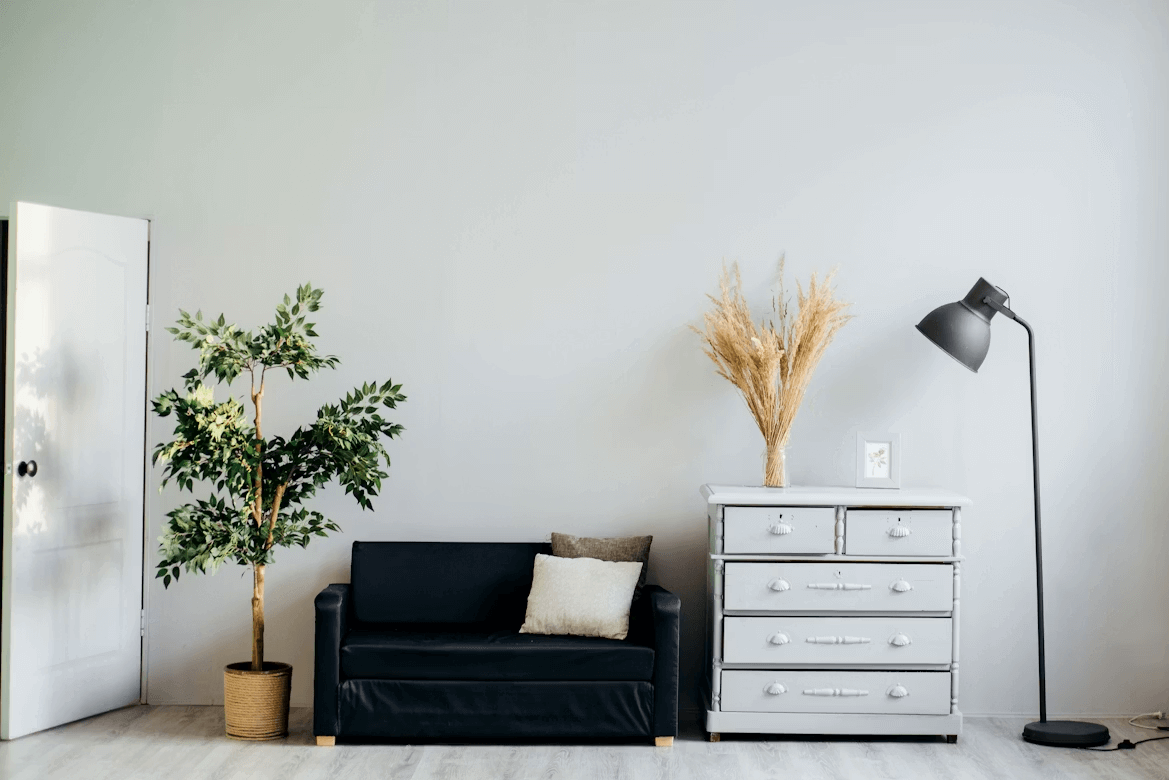
Storage problems often lead to clutter. When items lack a clear place, they end up on floors and counters. Good storage does not mean adding cabinets everywhere. It means matching storage to daily habits. Shoes should have a set area. Cleaning supplies should stay near where you use them. Shelves should hold items you reach for often. Overfilled storage creates stress and slows routines. Removing unused items helps storage work better. When storage fits daily life, tidying takes less effort. The home feels easier to manage and less chaotic.
Kitchens That Show Ongoing Care
Kitchens see constant use, so small issues show fast. Sticky cabinet doors and loose handles affect daily tasks. Clean appliances also matter. Built-up grime can make a kitchen feel neglected. Wipe surfaces often and clean spills right away. Check under sinks for leaks. Water damage spreads quickly if ignored. Replace worn seals and damaged drawer tracks early. These fixes protect cabinets and counters. A kitchen does not need to look new. It needs to work well. A functional kitchen signals regular care and attention.
Entryways That Feel Organized
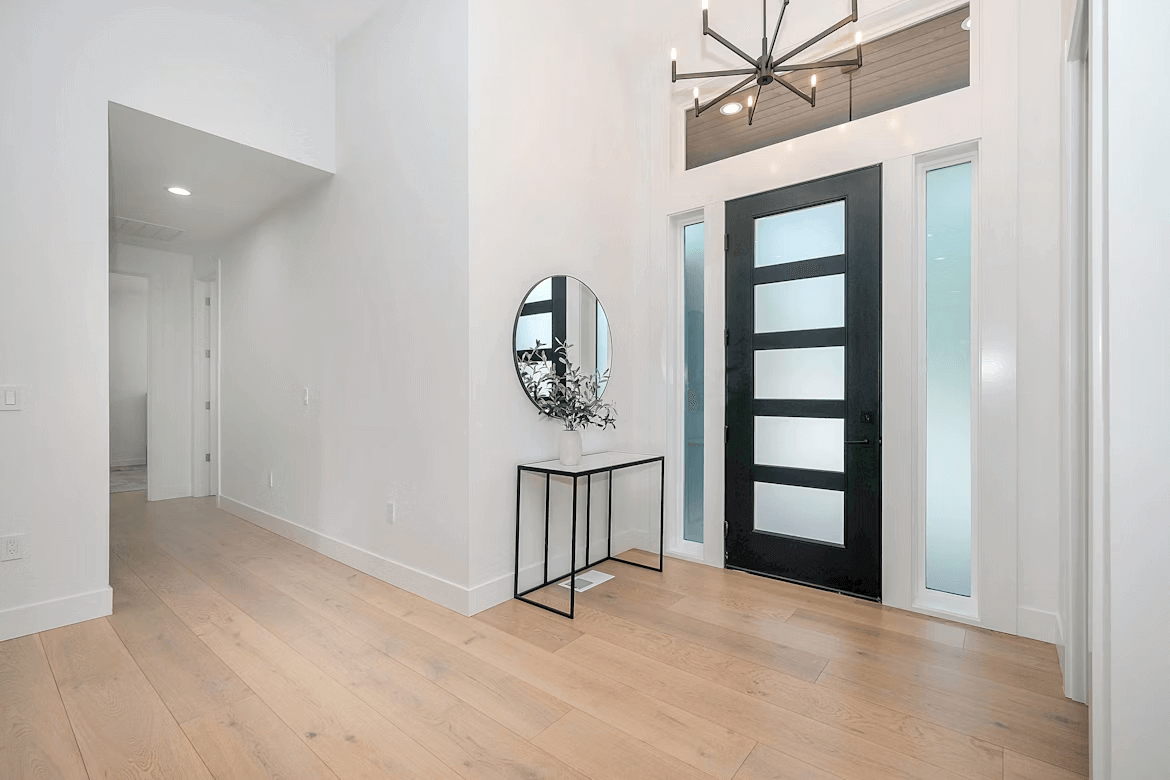
The entryway shapes first impressions. Shoes, bags, and coats pile up fast without a system. Simple solutions help. Hooks keep items off the floor. Mats protect floors from dirt and moisture. Good lighting makes the space safer and more welcoming. Entryways also need regular cleaning. Dirt spreads from this area into the rest of the home. Keeping it tidy saves time later. An organized entryway sets a calm tone. It shows that the home has structure and care from the moment you walk in.
Fixing Small Problems Early
Small repairs rarely stay small. A loose tile can lead to cracks. A dripping faucet can damage cabinets. Addressing issues early saves time and money. It also reduces stress. Keep a simple list of repairs as you notice them. Schedule time each month to handle a few items. This habit prevents overload. It also keeps the home running smoothly. Many repairs take little effort when caught early. Regular attention shows care more than big projects ever could.
A well-cared-for home does not rely on perfection. It relies on attention. Small details shape daily comfort more than major upgrades. Clear surfaces, solid hardware, and working systems make life easier. When homeowners notice problems early, they protect their space and their time. These habits build a sense of stability. They also reduce stress and future repairs. Focusing on small details makes home care manageable. Over time, that care shows in how the home feels every day.