Epoxy Resin Tables vs Glass Tables: Which Is More Practical for Daily Use?
This post contains affiliate links. Click here to read my affiliate policy.
Last Updated on March 27, 2026
Are you considering buying a new table for your home? While the choice might seem simple at first, a deep dive into the world of furniture reveals a fascinating array of material options. Among the most popular traditional choices is glass, but epoxy resin is rapidly gaining traction for those seeking a more modern, artistic flair. Selecting between these two isn’t just about looks; it is about how a surface handles the wear and tear of a busy household.
Epoxy resin tables serve as an impact-resistant statement piece, offering a warm, tactile feel and resisting shattering even in high-activity areas. It allows for the integration of natural wood grains, creating a unique “river” effect that glass simply cannot replicate. On the other hand, glass remains a timeless favorite for its scratch-resistant properties and ability to make a room feel larger and brighter.
Here is a breakdown of how these two materials compare when put to the test of daily use.
1. Understanding Epoxy Resin Tables
Epoxy resin tables are crafted by combining natural wood with clear or tinted resin, creating a surface that highlights the wood’s natural grain while adding durability. Because they are often handmade, each piece can have a distinctive appearance depending on the wood slab and the resin pattern used.
In recent years, homeowners looking for statement furniture pieces have shown growing interest in tables made from wood-and-resin combinations. Designs such as an epoxy resin table are appreciated for blending natural textures with modern craftsmanship, creating furniture that stands out visually while remaining functional for everyday use.
Furniture collections offered by Lumber Grand often showcase handcrafted tables made from hardwood slabs paired with resin. Thus, resulting in pieces that emphasize the wood’s natural character while providing a smooth, durable tabletop surface.
2. Understanding Glass Tables
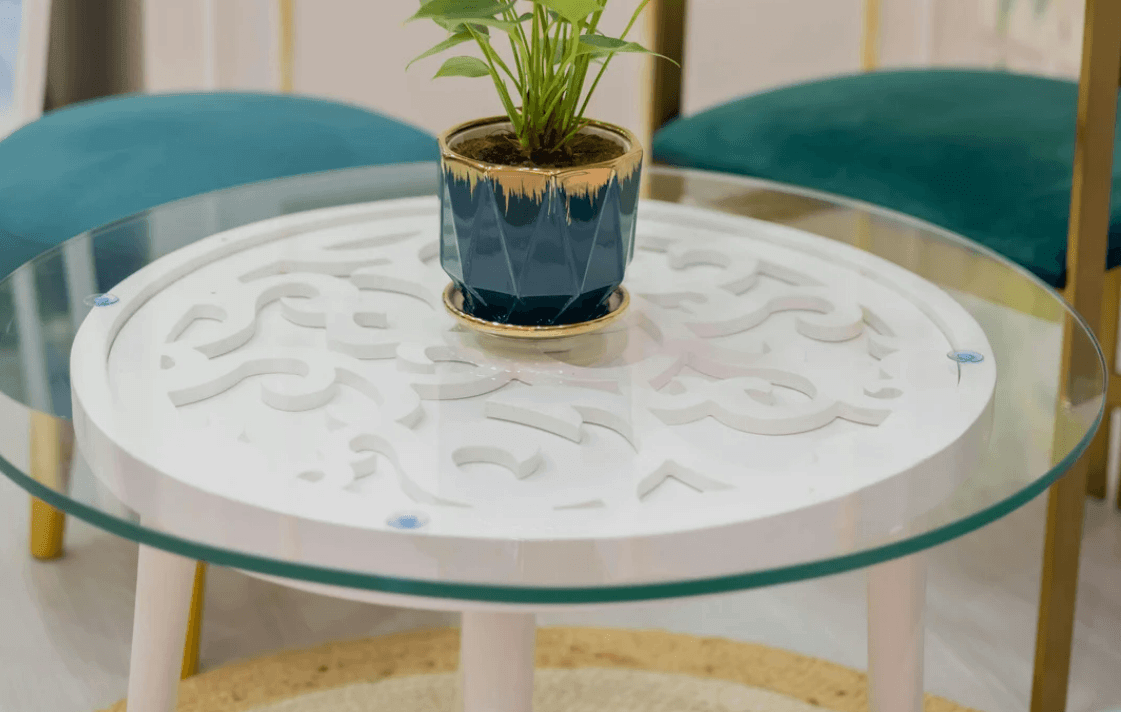
Glass tables are another popular choice for modern interiors. They are commonly made with tempered glass, which is designed to be stronger and safer than regular glass.
These tables are often chosen for their sleek and minimalist appearance. A glass tabletop can make a room feel more open and spacious because the transparent surface allows light to pass through.
Glass tables are frequently used in dining rooms, offices, and living spaces where a clean and contemporary design is desired.
3. Durability and Resistance to Damage
When it comes to durability, epoxy resin tables often have an advantage. The resin coating provides a protective surface that can resist minor scratches, moisture, and everyday wear.
Glass tables, while strong when made with tempered glass, can still be vulnerable to cracks or chips if struck with enough force. This can be a concern in households with children or pets.
For daily use, especially in busy households, a resin-coated wood table may provide greater resistance to accidental impacts and long-term wear.
4. Safety Considerations for Everyday Use
Safety is another factor to consider when choosing between these two materials. Glass tables are often made with tempered glass, which is designed to break into smaller, less sharp pieces if damaged. However, there is still a risk of breakage.
Epoxy resin tables typically have solid wooden bases and thick resin surfaces, which makes them less likely to shatter or crack during normal use.
This durability can make them a safer option in homes with children, pets, or high levels of daily activity.

5. Design Flexibility and Aesthetic Appeal
Both epoxy resin and glass tables offer unique visual styles. Glass tables are often associated with modern, minimalist interiors and pair well with contemporary furniture designs.
Epoxy resin tables, on the other hand, offer more artistic flexibility. The combination of wood grain and resin can create river-style patterns, natural textures, and customized color effects.
Because each piece can be unique, resin tables are often chosen as statement furniture pieces that add character to a room.
6. Long-Term Value
When evaluating furniture for daily use, long-term value is also important. Durable materials that resist wear may last longer and require fewer replacements over time.
Glass tables may occasionally need to be replaced if the surface becomes chipped or damaged. Resin tables, with their protective coatings and solid wood construction, may maintain their appearance for many years with proper care.
For homeowners seeking furniture that combines design and durability, resin tables can provide long-term functional value.
Conclusion
Both epoxy resin tables and glass tables offer attractive design options for modern homes. However, their practicality for everyday use can vary depending on durability, maintenance, and safety considerations. Glass tables may suit minimalist interiors and spaces where visual openness is a priority. Epoxy resin tables, on the other hand, often provide greater durability, easier maintenance, and unique handcrafted designs.