
How to Use Landscaping to Naturally Cool Your Home
This post contains affiliate links. Click here to read my affiliate policy.
Last Updated on May 25, 2026
Occupants often use indoor methods to lower heat during summer but the outdoor environment also affects indoor temperatures. Landscaping choices determine how much sunlight reaches a house, how heat moves across surfaces and how air moves through a yard. Planning is helpful for creating a cool environment and reducing the work required – cooling systems.
Natural cooling through landscaping is beneficial for comfort plus energy efficiency throughout the year. Shrubs, grass and outdoor structures are all responsible for reducing heat buildup. Landscaping is an effective part of a home improvement strategy when people combine it with regular maintenance and indoor cooling habits.
Tree Placement Around the Home
Trees are effective features for the reduction of outdoor heat. Large trees near windows, roofs but also exterior walls are able to block direct sunlight during the afternoon – this process limits the heat that enters a house and helps indoor spaces stay comfortable.
Deciduous trees are useful because they provide shade in summer and allow sunlight to pass through in winter. It is important for homeowners to study tree size, growth habits as well as root systems before they begin planting. Correct placement is necessary so that shade is available without causing damage to foundations or utilities.
Ground Cover & Lawn Care
Hard surfaces like concrete and stone are materials that hold heat. Replacing these surfaces with grass or low plants is a way to lower heat around a property. Cool outdoor surfaces are helpful because they prevent warm air from moving toward the home in the evening.
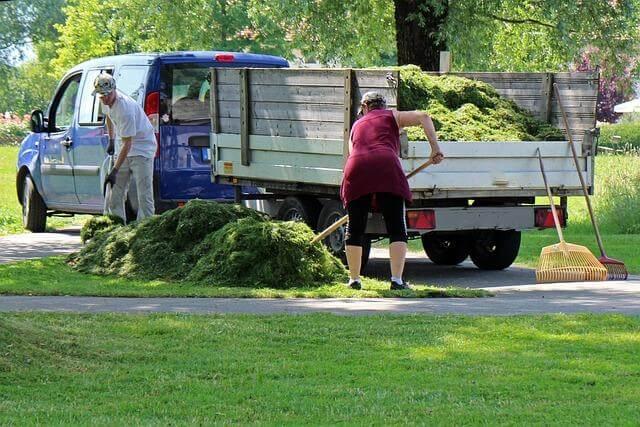
Healthy lawns are also useful for keeping moisture in the soil, which makes the outdoor environment cooler. Native plants are helpful because they need less water and adapt to local weather. Combining grass with shaded areas is a good way to create a balanced yard.
Shrubs & Garden Design
Shrubs are like natural insulation for a house – Plants near walls or windows are effective at reducing the heat that reaches exterior surfaces – this layer is helpful for keeping indoor temperatures steady, especially in rooms that face the afternoon sun.
Garden design is also important for airflow – Overcrowded plants are likely to trap heat but plants with enough space allow air to move. Homeowners can use shrubs to direct breezes toward windows – these adjustments are beneficial for outdoor comfort and may lower the need for indoor cooling.
Shade Structures & Outdoor Features
Pergolas and covered patios are structures that provide protection from the sun – these features are useful for creating cool areas next to reducing heat on nearby walls. Climbing plants on trellises are also good for adding natural cover and reducing heat.
Water features are another way to make outdoor spaces cooler – Small fountains or ponds lower the temperature of the air through evaporation. While landscaping is not a complete replacement for machinery, it is helpful for reducing the work of systems that might otherwise need air conditioner repair.
Long Term Energy Benefits
Landscaping for cooling is a way to support lower energy use – Homes with less heat exposure are often easier to cool, which is helpful for reducing electricity use in summer – this allows homeowners to manage costs while they improve the comfort of the property.

These improvements are also compatible with modern cooling upgrades. Many people who pay for air conditioning installation London also use landscaping to make their systems more efficient. Combining indoor and outdoor methods is a balanced way to manage home comfort.
Seasonal Maintenance & Planning
Cool landscapes are most effective when they receive regular maintenance. It is important to trim trees plus shrubs so that air can move and shade is still available. Overgrown branches are a problem because they might block air or create moisture near the walls.
Planning for the seasons is also necessary when adding new plants. Homeowners should observe the direction of sunlight and the amount of rainfall. Careful preparation is the best way to ensure that landscaping provides benefits for a long time.
Conclusion
Landscaping is a practical way to lower heat but also improve comfort. Shrubs and structures are all parts of a system that lowers temperatures and improves airflow. Small outdoor changes are often responsible for noticeable differences during hot months.
A planned area is more than a visual improvement – It is a way to create a comfortable environment as well as help cooling systems work well. By using both landscaping and maintenance, homeowners are able to enjoy a cooler home with less stress on their equipment.