Documenting Your Cooking Journey: Why Home Cooks Are Embracing Video
This post contains affiliate links. Click here to read my affiliate policy.
Last Updated on May 4, 2026
There’s something magical about capturing the moment a recipe comes together in your own kitchen. Whether it’s the sizzle of garlic hitting hot oil or the satisfaction of plating a dish you’ve perfected, these moments deserve to be shared and remembered. More home cooks are discovering that video documentation adds a new dimension to their culinary experience, transforming cooking from a solitary activity into something shareable and archivable.
The rise of food content creation isn’t limited to professional chefs or influencers anymore. Everyday cooks are picking up cameras and phones to document their kitchen experiments, share techniques with friends and family, and build a personal archive of their culinary evolution. If you’ve thought about capturing your cooking process but weren’t sure where to start, you’re not alone.
Many home cooks are exploring this space and finding that the right equipment makes the difference between a frustrating experience and an enjoyable creative outlet. When considering your options, resources like best vlogging camera can help you understand what’s available, but the real question is simpler: why should you care about documenting your cooking at all?
The Appeal of Capturing Your Kitchen Moments
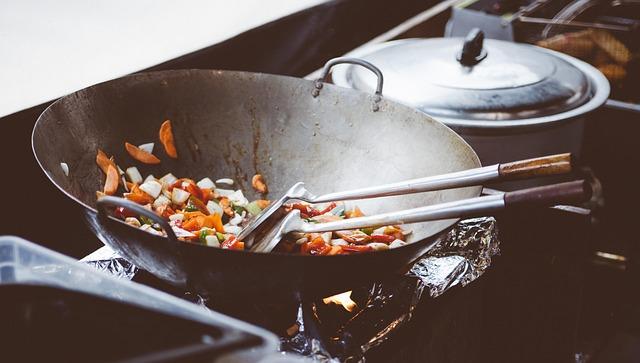
Home cooking has always been personal. Your kitchen is where you experiment, fail, learn, and eventually master techniques that become part of your identity as a cook. Video documentation transforms this private practice into something tangible. Unlike a written recipe note or a photo, video captures the rhythm and flow of cooking. It shows how you hold a knife, the exact consistency of a sauce, and the timing between steps that written instructions often struggle to convey.
Beyond the technical benefits, there’s an emotional component. Reviewing footage of a meal you prepared months ago reconnects you with that moment. You remember the ingredients you chose, the adjustments you made, and how your family reacted. Over time, these videos become a personal cookbook that’s uniquely yours, reflecting your tastes, your kitchen setup, and your cooking style.
Practical Reasons to Document Your Cooking
Video documentation serves several practical purposes that extend beyond nostalgia. First, it’s an excellent teaching tool. If you want to share a technique with a friend or family member, a short video clip is often clearer than verbal explanation. You can show exactly how to fold egg whites into batter, the proper angle for slicing vegetables, or how to judge when a pan is at the right temperature.
Second, video helps you improve your own skills. Watching yourself cook reveals habits you might not notice in the moment. You might discover you’re rushing a step, using inconsistent technique, or missing opportunities to make your process more efficient. This self-awareness accelerates your growth as a cook.
Third, documentation creates accountability and motivation. If you’re working toward a cooking goal, whether it’s mastering a particular cuisine or developing signature dishes, having video evidence of your progress is deeply satisfying. It also gives you material to reflect on during plateaus when you feel like you’re not improving.
Overcoming the Intimidation Factor
Many home cooks hesitate to start documenting because they feel like they need professional equipment or extensive technical knowledge. This barrier is largely imaginary. You don’t need a studio setup or expensive gear to create meaningful cooking videos. A smartphone and natural kitchen lighting can produce surprisingly good results.
The key is starting simple. Begin by recording short clips of specific techniques or finished dishes rather than attempting to film entire cooking sessions. This approach is less overwhelming and helps you develop a feel for what works visually. As you become more comfortable, you can gradually expand your scope and experiment with different angles, lighting setups, or editing styles.
The intimidation factor also stems from perfectionism. Remember that your videos don’t need to be polished or professional. Authentic, slightly imperfect footage often resonates more than overly produced content. Your audience, whether it’s family, friends, or a broader community, values the genuine documentation of your cooking journey more than flawless production quality.
Building a Personal Culinary Archive
One of the most underrated benefits of documenting your cooking is creating a personal archive. Years from now, you’ll have video records of dishes you loved, techniques you developed, and meals you shared with people you care about. This archive becomes increasingly valuable as time passes.
Unlike written recipes, which can feel static and impersonal, video captures the living, breathing reality of how you cook. It preserves not just the final dish but the entire experience. This is especially meaningful if you’re developing family recipes or documenting cooking traditions you want to pass down.
An archive also serves as inspiration during creative slumps. When you’re unsure what to cook or how to approach a dish, reviewing your past videos reminds you of techniques you’ve mastered and flavor combinations you’ve enjoyed. It’s a visual reference library that’s entirely personalized to your cooking style.
Sharing Your Culinary Story
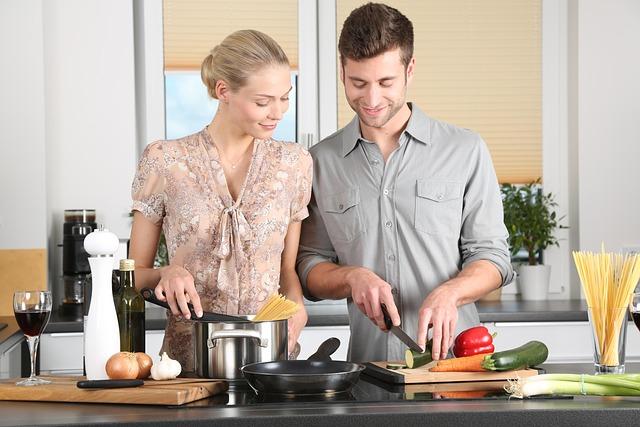
Once you’ve started documenting, sharing becomes a natural next step. This doesn’t necessarily mean posting to social media, though that’s certainly an option. You might share clips with family members who live far away, send technique videos to friends learning to cook, or compile your best moments into a personal highlight reel.
Sharing your cooking journey creates connection. It invites others into your kitchen and your creative process. People appreciate seeing the real, unfiltered version of how food gets made. They’re interested in your choices, your mistakes, and your successes. This authenticity is what makes home cook documentation so compelling compared to polished professional content.
Conclusion
Documenting your cooking journey through video is a rewarding practice that enhances your skills, preserves memories, and creates opportunities for connection. You don’t need special expertise or expensive equipment to get started.
Begin with simple clips, focus on techniques that matter to you, and let the practice evolve naturally. Whether you’re capturing your kitchen moments for personal reflection, family sharing, or broader community engagement, the act of documentation itself deepens your relationship with cooking. Your kitchen story is worth preserving, and the tools to do so are more accessible than ever.