How to Plan the Perfect Breckenridge Vacation
This post contains affiliate links. Click here to read my affiliate policy.
Last Updated on July 8, 2026
Breckenridge draws over 1.5 million visitors a year, and the difference between a trip that flows and one that feels like a scramble usually comes down to planning decisions made weeks before anyone packs a bag. Lift tickets, lodging location, and even parking permits sell out or spike in price the closer you get to your travel dates. Here’s how to put together a trip that actually works.
Pick Your Season Based on What You Want to Do
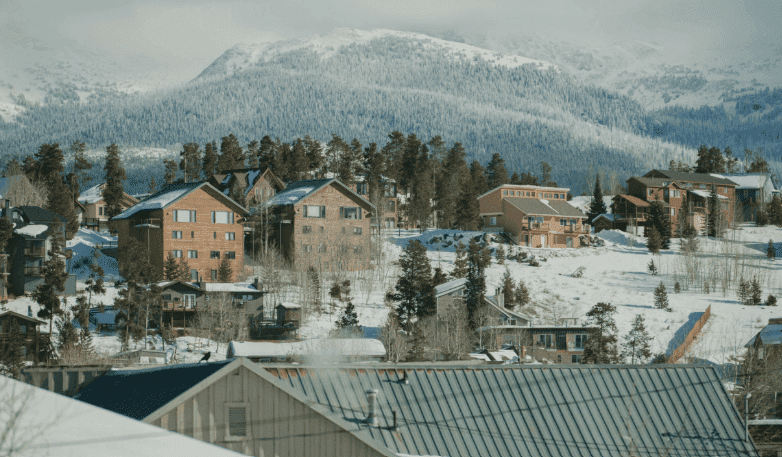
Breckenridge operates on two very different calendars. Ski season runs mid-November through early April, with January and February offering the most reliable snow but also the coldest temperatures and biggest crowds over holiday weeks. Late March brings warmer days and softer snow, which locals call spring skiing, and it’s often the best value stretch of the winter.
Summer, roughly June through September, turns the town into a hiking and mountain biking destination with wildflowers peaking in July. The Breckenridge Ski Resort even keeps lifts running in summer for scenic rides and access to alpine trails. If you want lower prices and thinner crowds, aim for late April through May or October, though many restaurants and shops scale back hours during these shoulder months.
Book Lodging With Location in Mind
Breckenridge is organized into a walkable historic downtown and several base areas along the mountain, and where you stay changes the entire feel of the trip. Staying on Main Street puts you within walking distance of restaurants, bars, and shops, but you’ll likely need transportation to reach the slopes. Staying at a base area like Peak 8 or Peak 9 gets you ski-in, ski-out access but farther from the downtown energy.
Condos and vacation rentals dominate the lodging scene here, often with better value for groups than hotel rooms, especially if you’re splitting a kitchen and multiple bedrooms four or more ways. Book four to six months ahead for winter trips, particularly if you want anything near the slopes over Christmas, New Year’s, or Presidents’ Day weekend. Summer lodging is generally easier to find on shorter notice, though July weekends still fill up.
Figure Out Transportation Before You Arrive
Denver International Airport sits about 100 miles from Breckenridge, and the drive takes roughly two hours in good conditions, longer if I-70 traffic backs up, which happens often on winter weekends. Renting a car gives you flexibility, but winter mountain driving requires comfort with snow, occasional chain law enforcement, and traffic that can turn a two-hour drive into four.
A Breckenridge shuttle service is a solid alternative if you’d rather skip the driving altogether, especially coming from the airport. Several companies run scheduled shuttles between DIA and Breckenridge, and once you’re in town, the free Breckenridge Free Ride bus system covers most of the town and base areas, making a car unnecessary for many visitors. If your lodging is walkable to a Free Ride stop, you can realistically leave a rental car parked for your entire stay.
Sort Out Lift Tickets and Gear Early
Buying lift tickets online in advance rather than at the ticket window can save you significantly, often $30 to $50 per day depending on how far ahead you purchase. Multi-resort passes like the Epic Pass include Breckenridge and can make sense if you’re planning multiple ski days or visiting other Colorado resorts on the same trip.
Renting equipment in town is convenient but pricier than shops slightly outside the resort core, so compare rental shops along Main Street against ones a few blocks off it. If you own gear, consider whether checking skis on a flight is worth the baggage fee versus renting locally. Either way, reserve rentals ahead during peak weeks, since popular sizes run out.
Plan Around Altitude
Breckenridge sits at 9,600 feet, among the highest incorporated towns in the country, and altitude sickness catches a lot of visitors off guard. Symptoms like headaches, fatigue, and shortness of breath are common in the first 24 to 48 hours, especially if you’re arriving from sea level and jumping straight into activity.
Build in a low-key first day rather than hitting the slopes or trails immediately after arrival. Drink more water than feels necessary, limit alcohol on day one, and eat lightly. If you have a history of altitude sensitivity, talk to a doctor about medication options before you go.
Balance Your Itinerary Beyond the Mountain
Breckenridge has more going on than lift lines. The Breckenridge Distillery, Riverwalk Center events, and the town’s historic district with self-guided walking tours give you options for a rest day. In winter, the Breckenridge Nordic Center offers cross-country skiing and snowshoeing for a change of pace from downhill runs.
If you’re traveling with a mixed group of skiers and non-skiers, look at day passes for activities like tubing at the Frisco Adventure Park, about 10 minutes away, or ice skating at the Stephen C. West Ice Arena. Spacing out mountain days with lower-key activities keeps everyone in the group satisfied and gives tired legs a break.
The trip that runs smoothly is the one where lodging, transportation, and lift tickets are locked in weeks ahead, leaving you free to adjust daily plans around weather and energy levels once you’re actually there. Build in one buffer day for altitude adjustment or unexpected weather, and you’ll have room to enjoy Breckenridge instead of just getting through it.