How to Plan the Perfect Moab Vacation
This post contains affiliate links. Click here to read my affiliate policy.
Last Updated on July 8, 2026
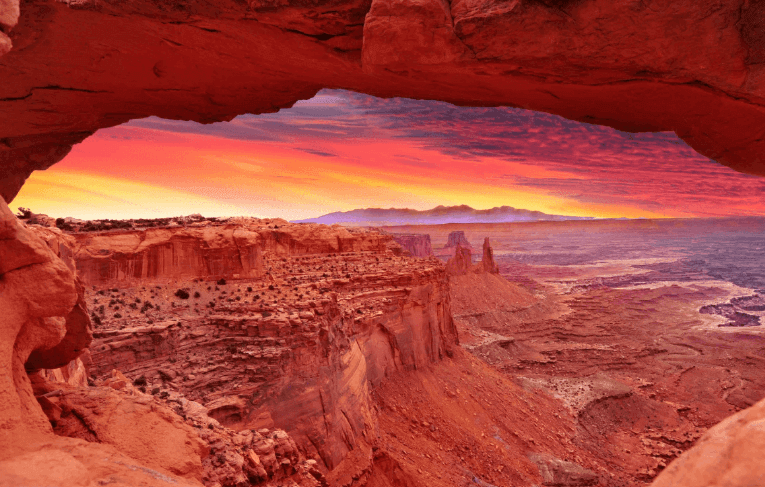
Red rock towers, two national parks within twenty minutes of downtown, and a high desert climate that swings 40 degrees between noon and midnight — Moab rewards travelers who plan ahead and punishes those who don’t. Book a room in June without checking cancellation policies, and you might end up paying peak rates for a 105-degree afternoon with no shade in sight. A little groundwork before you leave home turns this small Utah town into one of the most efficient, satisfying trips in the American Southwest.
Pick Your Season Carefully
Moab has two real high seasons: mid-March through May, and mid-September through October. Temperatures during these windows sit in the 60s and 70s, trails are dry, and the light on the sandstone is dramatic in the early morning and late afternoon. Summer brings heat that regularly tops 100 degrees, which makes hiking after 10 a.m. genuinely dangerous without heavy water reserves.
Winter is the sleeper option. Arches and Canyonlands stay open year-round, hotel rates drop by half, and a light dusting of snow on red rock makes for some of the best photography conditions of the year. The tradeoff is shorter daylight and occasional icy trail sections, so pack traction devices for your boots if visiting between December and February.
Decide Where to Base Yourself
Downtown Moab puts you within a 20-minute drive of both national parks and gives you access to restaurants, gear shops, and grocery stores. It’s the right call for anyone without a truck camper or trailer, and it works well for families who want a real bed and air conditioning after a day in the heat.
Camping inside Arches or on nearby BLM land is the other major option, and it comes with a catch: Arches has exactly one campground, Devils Garden, and it fills months in advance through recorded reservations. BLM land along Highway 128 and Kane Creek Road offers first-come, first-served sites with river views, but arriving by early afternoon is necessary during peak season if you want a spot.
Reserve Timed Entry and Permits Early
Arches National Park now requires a timed entry reservation from April through October, and slots for popular entry windows disappear weeks ahead. Book this the moment travel dates are confirmed, not the week before arrival. Canyonlands doesn’t require timed entry, but its backcountry permits for multi-day trips into the Maze or Needles districts fill quickly and need to be secured through the park’s online system.
Permits also apply to specific activities outside the parks. Rafting the Colorado River through a private outfitter doesn’t require anything from you directly, but self-guided river trips need a permit issued through a lottery system months in advance.
Build a Realistic Itinerary
Three full days is the minimum for seeing both national parks without rushing, and five days lets you add river rafting, a jeep trail, or a slower exploration of Canyonlands’ Island in the Sky district. Trying to cram Arches, Canyonlands, Dead Horse Point, and a rafting trip into two days usually means experiencing all of it through a windshield.
There’s no shortage of things to do in Moab beyond the parks themselves, and building slack into the schedule lets you take advantage of them. Mountain biking on Slickrock Trail, a sunset stop at Dead Horse Point State Park, or an evening at one of the town’s dark-sky viewing spots can fill gaps left by an early park entry or a shortened hike due to heat.
Mornings should be reserved for the most popular trails. Delicate Arch, Devils Garden, and the Windows section of Arches get crowded and hot by mid-morning, so starting by 7 a.m. avoids both the parking lot backups and the worst of the sun.
Pack for Extreme Temperature Swings
A single October day in Moab might start at 38 degrees and reach 78 by afternoon, so layering matters more than any single piece of gear. A lightweight base layer, a packable insulated jacket, and a wide-brim hat cover most conditions across all seasons.
Water is non-negotiable. The general guideline for hiking in this climate is one liter per two hours of activity, and trails like Devils Garden or the Chesler Park loop in Canyonlands have zero water sources along the way.
Rent the Right Vehicle
A standard sedan handles Arches, the main roads in Canyonlands, and Dead Horse Point without issue. High-clearance 4WD becomes necessary for the White Rim Road, the Maze district, or backcountry routes like Elephant Hill. Rental agencies in Moab specialize in exactly this kind of vehicle, and booking one locally is usually cheaper than upgrading through a national chain at the airport.
The towns of Moab and the parks around it don’t require luck to enjoy fully, just a calendar and a few reservations made early. Lock in timed entry and lodging first, build the itinerary around cooler morning hours, and leave enough days that a closed trail or a slow sunset doesn’t throw off the whole trip.