How to Plan the Perfect Tokyo Vacation
This post contains affiliate links. Click here to read my affiliate policy.
Last Updated on July 8, 2026
Tokyo can overwhelm even seasoned travelers — 23 wards, a train system with more than 800 stations, and enough neighborhoods to fill three separate trips. The good news is that a great Tokyo vacation doesn’t require mastering all of it. It requires picking the right base, timing the trip well, and building a loose itinerary that leaves room for wandering. Here’s how to put it together.
Decide When to Go Based on What You Want to See
Late March through early April brings cherry blossoms, but it also brings the biggest crowds and highest hotel rates of the year. If you want sakura without the chaos, aim for the first week of April in years when the bloom runs slightly later, and check the Japan Meteorological Corporation’s forecast, which updates in February.
Autumn, specifically mid-November to early December, offers similar visual payoff with the maple leaves in places like Rikugien Garden and Meiji Jingu, minus the frantic scramble for restaurant reservations. Summer (June through August) is hot, humid, and best avoided unless a specific festival draws you there. Winter is underrated: cold, dry, clear skies, and noticeably cheaper flights and hotels.
Choose a Base Neighborhood That Matches Your Trip
Where you sleep in Tokyo shapes your whole trip, since the city is really a cluster of dense neighborhoods connected by rail rather than one walkable core. Shinjuku works well for first-timers because it sits on multiple train lines and has everything from budget capsule hotels to five-star towers within a few blocks.
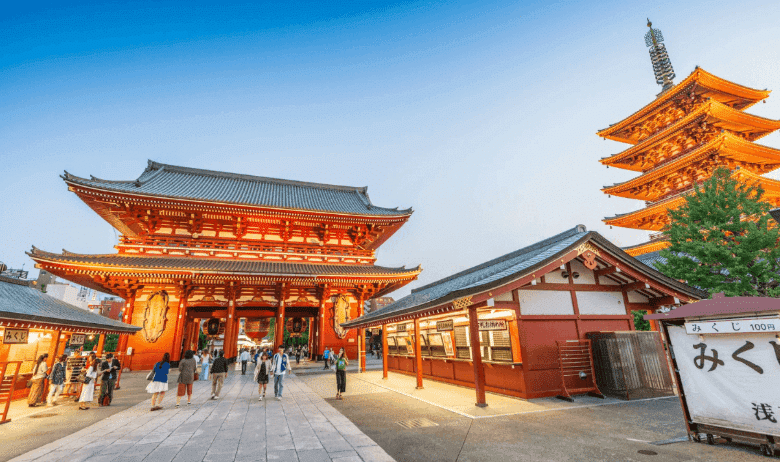
Shibuya suits travelers who want nightlife and shopping close by, while Asakusa offers a quieter, more traditional feel with easy access to Senso-ji Temple and the river. Ginza is the pick for travelers prioritizing high-end shopping and dining, and it’s also where many operators running Tokyo luxury tours base their private guides and drivers, since the neighborhood puts Michelin-starred restaurants and flagship boutiques within a short walk of top hotels. Pick one or two bases rather than hopping hotels every two nights — the time saved on packing and commuting adds up fast.
Get the Transit Pass Situation Right Before You Land
Skip the old Japan Rail Pass unless a plan includes multiple long-distance shinkansen trips, since Japan Railways discontinued the cheaper version of it for most tourist itineraries in 2023 and the current pricing rarely pays off for a Tokyo-only trip. Instead, get a Suica or Pasmo IC card, which now works entirely through a smartphone app if the phone supports it, or as a physical card from any station kiosk.
Load about 3,000 yen to start and top it up as needed; it works on subways, JR lines, buses, and even at convenience stores and vending machines. Google Maps handles Tokyo transit routing reliably, including which platform and car to stand in for the fastest transfer, so there’s little need for a separate transit app.
Build a Loose Daily Structure, Not a Rigid Schedule
Tokyo punishes overplanning because travel times between districts and unexpected discoveries — a six-story arcade, a hidden izakaya alley — eat into tight schedules fast. A better approach is to assign one general area per day: Asakusa and Ueno together, Shibuya and Harajuku together, Ginza and Tsukiji Outer Market together.
Leave mornings or afternoons open rather than booking activities back-to-back. Reserve only the things that genuinely require it: teamLab Planets or Borderless (both sell out days ahead), sumo tournaments if the dates align, and any restaurant with fewer than 20 seats. Everything else — temples, parks, markets, shopping streets — can be visited on a whim.
Budget for the Trip Realistically
A comfortable mid-range Tokyo trip runs about 20,000 to 30,000 yen per person per day, covering a decent hotel, three meals, and local transit, though solo travelers should budget higher since hotel costs don’t split. Convenience store meals from Lawson or 7-Eleven are genuinely good and can keep food costs down without feeling like a compromise.
Set aside separate money for one or two splurge meals, since Tokyo’s mid-tier sushi and wagyu restaurants (5,000 to 12,000 yen per person) often outperform far more expensive tourist-trap options. Factor in cash, too: many smaller restaurants and shrines still don’t take cards, so carrying 10,000 to 15,000 yen in cash at all times avoids awkward situations.
Book the High-Demand Items Early
A handful of experiences need booking weeks or months ahead: teamLab exhibits, the Ghibli Museum (tickets release on the 10th of each month for the following month), popular ramen shops with online reservation systems, and any hotel during cherry blossom or New Year’s week. Everything else, including most temples, markets, and neighborhood exploration, rewards spontaneity far more than a packed schedule.
The trip that works best isn’t the one with the most stops checked off — it’s the one that leaves enough unscheduled time to notice the city between the landmarks. Plan the handful of things that truly require reservations, pick a base neighborhood that fits the trip’s pace, and let the rest of the days stay flexible enough to follow whatever Tokyo happens to show you that afternoon.