Top 7 Travel Tips for Visiting Sokcho
This post contains affiliate links. Click here to read my affiliate policy.
Last Updated on July 8, 2026
Sokcho sits on South Korea’s northeastern coast, wedged between the East Sea and Seoraksan National Park, which means the town has to serve two very different kinds of travelers at once: beach-goers and mountain hikers. That mix creates some quirks that catch first-time visitors off guard, from seasonal crowd surges to a transportation system that runs on its own logic. Here’s what to know before you book anything.
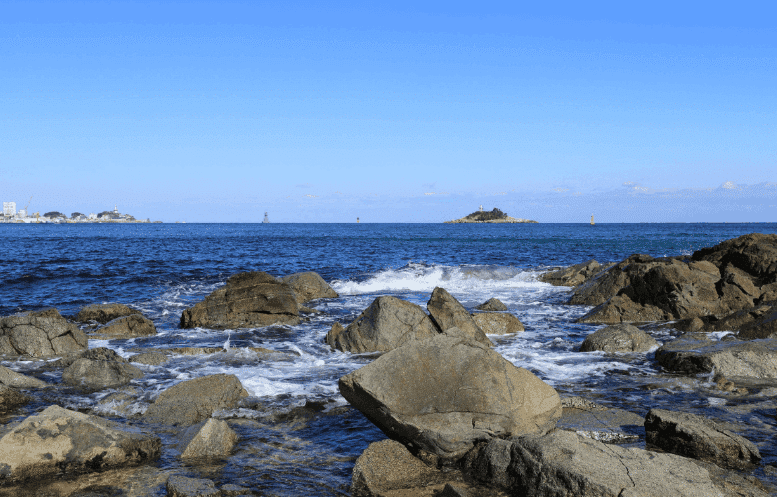
Time your visit around Seoraksan, not the beach.
Most people assume summer is peak season in Sokcho because of the coastline, but the real crowd crush happens during autumn foliage season, typically mid-October through early November. Seoraksan draws hikers from across the country during this window, and hotel rates in town can spike by 30 to 50 percent. If you want lower prices and thinner crowds, aim for late September or the first two weeks of November, when the weather is still mild and the mountain trails are far less congested.
Summer brings its own crowd, mostly domestic beachgoers filling Sokcho Beach and Naksan Beach from mid-July through August. Winter is the quiet season here, which sounds appealing until you realize some seafood restaurants and smaller guesthouses close for weeks at a time. Check ahead if you’re traveling between December and February.
Book your bus tickets before you land in Korea.
Sokcho doesn’t have its own airport with regular commercial service, so most travelers arrive by intercity bus from Seoul, a trip that takes roughly two and a half hours from Dong Seoul Bus Terminal. On weekends and holidays, especially during foliage season, buses sell out a day or two in advance. Reserve through the KOBUS or T-money BUS websites rather than assuming you can walk up and buy a same-day ticket.
If you’re coming from Sokcho onward to other coastal towns like Gangneung, note that local bus schedules can be sparse, sometimes just one departure per hour. Build in buffer time rather than cutting connections close.
Pick lodging based on which side of town you’ll spend more time in.
Sokcho splits fairly neatly into two zones: the beach and harbor area near Sokcho Beach and Abai Village, and the inland stretch closer to Seoraksan’s entrance, about 15 to 20 minutes away by car or bus. Staying near the water puts you close to seafood markets, the ferry to Abai Village, and a livelier evening scene. Staying nearer the park entrance saves you a commute if hiking is the main reason for the trip.
Sokcho accommodations range from budget guesthouses and hanok-style stays to larger resort hotels along the beachfront, so there’s flexibility either way, but it’s worth matching your choice to your itinerary rather than picking based on price alone. A room a few minutes’ walk from the trailhead can save an hour of round-trip travel time on an early hiking day.
Rent a car only if you plan to explore beyond the city center.
Public transportation covers the main tourist stops well enough, buses run regularly between the bus terminal, Sokcho Beach, and Seoraksan’s outer gate, and taxis are inexpensive by international standards. But if you want to visit spots like Osaek Hot Springs or drive the coastal road toward Goseong, a rental car opens up a lot more territory. Roads are well marked, and parking near the national park entrance is available, though it fills up fast on weekends.
Without a car, you can still see everything most itineraries call for, just plan around bus schedules rather than assuming you can hop on transport whenever you like.
Try the raw fish markets, but go early.
Jungang Market and the harbor area near Abai Village are where locals and visitors alike buy fresh catch, often prepared as hoe, or raw sliced fish, right at the stall. The best selection and lowest prices show up in the morning, before the midday tour groups arrive. By early afternoon, popular stalls can run low on the day’s fresh stock.
Abai sundae, a local blood sausage variation made famous by the area’s North Korean refugee community, is worth seeking out here specifically, since it originated in this neighborhood after the Korean War.
Pack for wind, not just cold.
Sokcho’s coastal position means wind chill is a bigger factor than the thermometer suggests, especially from November through March. A jacket that would be fine in Seoul might not cut it on an exposed beach walk or a ferry ride across the harbor. Layering with a windproof outer shell makes a noticeable difference, particularly if hiking is on the agenda, since Seoraksan’s higher trails run several degrees colder than the town below.
Reserve cable car tickets in advance during peak weeks.
The Seoraksan cable car up to Gwongeumseong Fortress is one of the park’s biggest draws, and during autumn foliage season, wait times without a reservation can stretch past two hours. Same-day tickets are sometimes available, but during the first three weeks of October, they often sell out by mid-morning. Booking online the day before, when tickets typically release, removes a lot of uncertainty from your schedule.
The trip up offers views that don’t require serious hiking fitness, which makes it one of the more accessible ways to take in the mountain scenery if time or mobility is limited.
Sokcho rewards a little planning more than most Korean destinations, mainly because its two main attractions, mountain and coast, pull crowds on different schedules and require different logistics. Sort out your season, your lodging location, and your transportation before you arrive, and the rest of the trip tends to fall into place on its own.