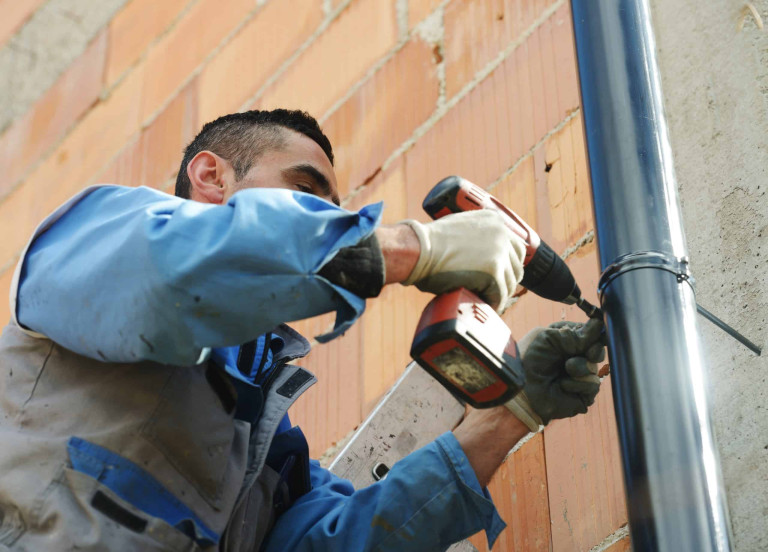
Simple Signs Your Roof Needs Attention Before Winter
This post contains affiliate links. Click here to read my affiliate policy.
Last Updated on August 4, 2026
Your roof does a lot of quiet work. It blocks rain, handles wind, and takes a beating from the elements without asking for applause. In San Francisco, that job comes with extra challenges. The city’s famous fog, salty coastal air, and wet winters can gradually wear down roofing materials, while more than 80% of the city’s annual rainfall typically falls between November and March. The trouble is that roof problems usually start small and stay sneaky. By the time you notice a drip or stain, the issue may have been growing for months. If you want to avoid expensive surprises, it helps to spot small roofing issues before winter has a chance to make them worse.
Why small issues matter
A roof problem rarely bursts onto the scene with dramatic music. More often, it starts with one lifted shingle, a cracked seal, or a clogged valley that lets water hang around too long. Once cold weather and heavy rain arrive, that tiny weak spot can turn into a leak, mold, or damaged insulation.
That is why paying attention early matters. If you spot signs of wear and want a trained eye before the weather gets rough, calling a local San Francisco roofer can make sense for an inspection or repair. You are not being dramatic. You are being smart.
Think of it like hearing a weird sound from your car. You would not wait for the wheel to roll away before checking it out. A roof deserves the same kind of respect, minus the engine noise.
Check from the ground
You do not need to climb onto your roof to notice that something looks off. In fact, staying on the ground is the safer move. Walk around your home and look up from a few angles. Use binoculars or your phone camera zoom if that helps you get a better look.
Here are a few things worth noticing:
– Shingles that look curled, cracked, or missing
– Dark patches or streaks that were not there before
– Moss or debris collecting in one area
– Gutters that are sagging or overflowing
– Flashing around vents or chimneys that looks bent or loose
You are not trying to diagnose every detail. You are just looking for changes. Roofs should look fairly even and tidy. If one section looks patchy, droopy, or worn out, trust your eyes. When something looks strange, it often is.
Look inside your home
Roof trouble does not always introduce itself from outside. Sometimes your house drops hints indoors first. A small water entry point can travel along beams or insulation before it shows up where you can see it, which makes things extra sneaky.
Check your ceilings for yellow or brown stains. Look for bubbling paint, peeling drywall tape, or spots that feel damp after rain. If your attic is accessible, take a quick peek during the day. You should not see sunlight sneaking through where it should not. Musty smells, wet insulation, or visible mildew are all clues that moisture is hanging around.
Also pay attention to drafts near the ceiling or upper walls. A roof issue is not always just about water. Poor sealing and damage can affect airflow too. If your home suddenly feels less cozy, your roof may be throwing in the towel a little.
Notice seasonal wear
Every season leaves a mark. Summer heat can dry out roofing materials and make them brittle over time. Wind can lift edges or loosen flashing. In coastal areas, fog and moisture can stick around longer than you think, giving moss and algae a chance to party where they are not invited.
Then early rain shows up and tests everything at once. That is why fall is such a useful time for a roof check. You get a chance to catch weak spots before winter turns them into indoor problems.
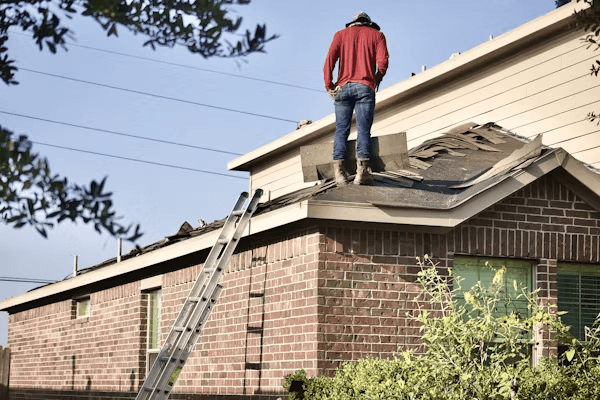
Even if your roof is not old, local weather still matters. A roof that looked fine in spring may have taken more stress than expected through a hot, windy summer. Homes near trees also deal with leaves, twigs, and clogged gutters more often. It is not glamorous, but roof care is one of those boring tasks that keeps life less exciting in the best possible way.
Know when to act
Not every roof issue means full replacement. Sometimes a small repair really is a small repair. A few damaged shingles, minor flashing problems, or isolated wear may be fixable if caught early. The key word is early.
If you notice active leaking, repeated ceiling stains, sagging spots, or shingles showing up in your yard after wind, it is time to act sooner rather than later. Waiting often means water gets into underlayment, wood, or insulation. That is when the bill starts doing push-ups.
A good rule is simple. If the problem is visible, recurring, or growing, get an expert opinion. You do not need to know the exact cause before making the call. That is the professional’s job. Your job is to notice that something is not right and not let it become next month’s disaster story.
Build a simple routine
Roof care does not need to become your new hobby. A simple routine once or twice a year can go a long way. Spring and fall are both good times to do a walk-around and check inside the attic or top floor for signs of trouble.
Keep it manageable with a short checklist:
– Look at the roof from the ground
– Check gutters after storms or leaf fall
– Scan ceilings for new stains
– Notice musty smells or damp attic insulation
– Trim branches that hang too close
– Take photos so you can compare changes over time
The goal is not perfection. It is awareness. When you keep an eye on small changes, you are more likely to catch problems while they are still fixable. Your roof may never send a thank-you card, but it will keep doing its job. And that means you get to enjoy winter weather from the cozy side of the window instead of from under a bucket.