
Simple Habits That Keep Pests Out of a Busy Household
This post contains affiliate links. Click here to read my affiliate policy.
Last Updated on August 12, 2026
Between work, kids, meal prep, and everything else that fills a week, pest prevention is rarely at the top of anyone’s mind until there is already a problem. The good news is that most of what keeps a home pest free comes down to a handful of small, repeatable habits rather than a big weekend project. According to pest control experts at EcoForce Pest Management, the households that stay pest free longest are usually not the ones doing anything dramatic, just the ones who are consistent about a few basics.
None of these habits take more than a few minutes, and most of them fit naturally into a routine that is already busy enough without adding a whole new project to the list.
Kitchen Habits That Matter Most
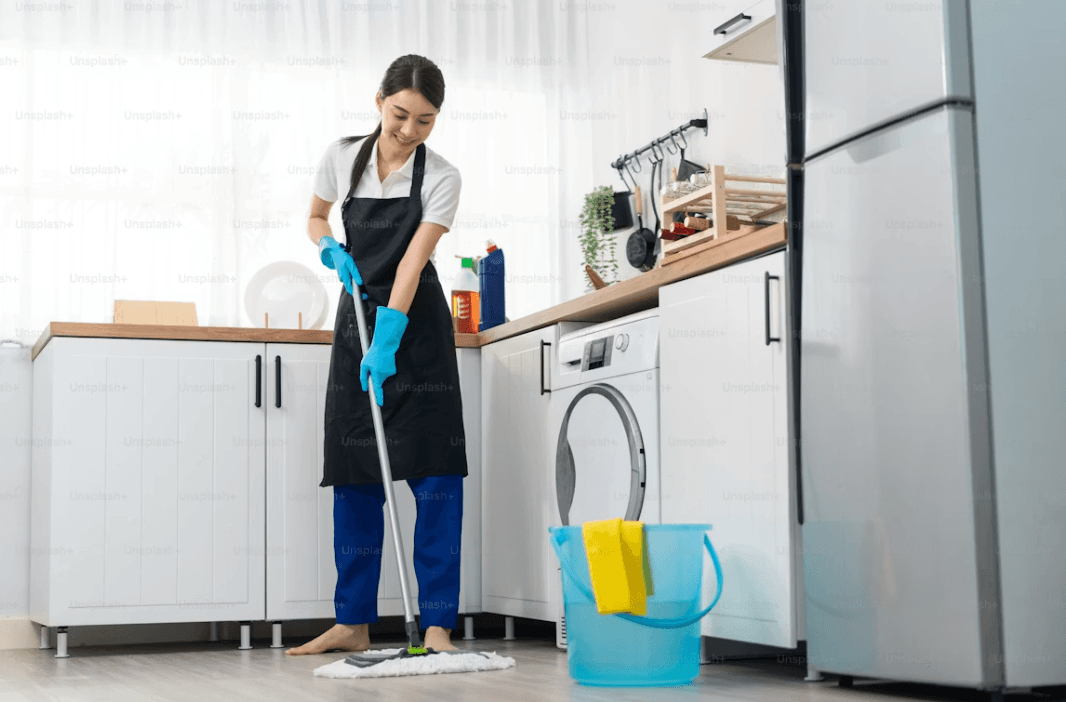
The kitchen is where most pest problems start, simply because it is where the food is. Wiping down counters after cooking, taking the trash out before it overflows, and storing dry goods like cereal, flour, and rice in sealed containers removes most of what draws ants, roaches, and pantry moths in the first place.
Pet food left out overnight is one of the most commonly overlooked attractants, since it sits untouched for hours in a bowl that never gets fully cleaned.
Dishes left in the sink overnight are another quiet contributor. It only takes one night of dirty dishes to give pests something to investigate, and a pattern of it turns a kitchen into a reliable food source they will keep coming back to.
| Habit | Frequency | What It Prevents |
| Wipe counters and stovetop | After each meal | Removes food residue that attracts ants and roaches |
| Take out trash | Before it overflows | Removes odors that draw pests indoors |
| Store dry goods in sealed containers | Ongoing | Blocks pantry moths and weevils |
| Check under sinks for leaks | Monthly | Removes moisture that draws roaches and silverfish |
| Vacuum crumbs from high chairs and floors | Daily in busy households | Removes food sources kids tend to leave behind |
The Rest of the House Matters Too
Pest prevention does not stop at the kitchen door. Clutter in closets, garages, and basements gives pests places to hide undisturbed, which is part of why decluttering tends to reduce pest sightings even when it was never the goal. Cardboard boxes are a particular problem, since they double as both shelter and a food source for certain insects, and they tend to accumulate in busy households faster than anyone plans to deal with them.
Checking door sweeps and window screens once or twice a year for gaps is another habit worth building in, since these are the most common entry points pests use to get inside in the first place. A door sweep that has worn down or a screen with a small tear is an easy fix, but only if someone notices it before pests do. The CDC recommends emptying anything holding standing water, like a kiddie pool or a plant saucer, at least once a week, which is a small addition to a weekly routine that pays off in fewer bugs around the yard and patio doors.
Building Habits Around a Busy Schedule
The trick with preventive management is attaching these habits to something that already happens regularly, rather than trying to remember them as a separate task. Wiping counters after dinner, taking the trash out on the way to the car in the morning, and doing a quick declutter pass while putting laundry away all work because they ride along with something already on the calendar.
This kind of pest prevention advice fits naturally alongside other quick household routines, like the tips shared in this piece on planning a smooth, low-stress family day, where the whole point is finding small systems that make busy life easier without adding more to the to-do list.
None of this requires a complete overhaul of how a household runs. A few habits, attached to routines that already exist, go a long way toward keeping pests from ever becoming a bigger problem than a quick wipe down or a sealed container can handle.
It also helps to involve the whole household in a couple of these habits rather than treating pest prevention as one person’s job. Kids can be reminded to rinse dishes right after a snack, and everyone in the house can get in the habit of double-checking that the pantry door or trash lid is fully closed. Small shared responsibilities like these keep the habits going even on the weeks when the schedule is at its most chaotic, and keep pests out which is exactly when pest prevention tends to slip.