The Rise of Preventative Pest Management: How Modern Homeowners Are Shifting Away from Reactive Solutions
This post contains affiliate links. Click here to read my affiliate policy.
Last Updated on August 12, 2026
If you run a busy household, chances are pest control has never been on your list of fun topics, right up there with meal planning and laundry rotations. But anyone juggling a family, a kitchen full of good intentions, and a backyard that never seems to stay tidy knows that a single ant trail across the counter or a wasp nest under the porch eaves can derail an entire week.
The readers who come here for recipe hacks and family life tips are the same people quietly Googling “why do I keep seeing bugs” at 11 p.m. This is exactly why the shift toward preventative pest management matters to your everyday routine, not just to homeowners with acreage and a shed full of chemicals.
A few years ago, most families treated pest control the way they treated a flat tire: something you dealt with only after it happened. Spot a mouse, call an exterminator. See ants, grab a spray. That reactive mindset is fading fast, and for good reason.
Homeowners are increasingly building pest prevention into their regular home maintenance calendar, the same way they schedule HVAC tune-ups or gutter cleaning. Resources like 10 tips to pest proof your yard this summer reflect this changing mindset, offering homeowners concrete seasonal steps instead of a single emergency phone number to call when things go wrong.
Why Homeowners Are Abandoning the “Wait and React” Model
Part of this shift is simply about timing. Winters that used to reliably kill off insect populations are now milder in many regions, and wet seasons are stretching longer on both ends. According to this article, this climate shift has extended active pest seasons by weeks on either side of what used to be considered “bug season,” which means the old habit of waiting until pests show up no longer holds up. A homeowner who used to close the pest-control chapter by October might now be dealing with active ant colonies or spider activity well into November or December.
There is also a financial angle that homeowners are waking up to. Reactive treatments tend to be more expensive per visit, often require repeat callbacks, and rarely address the root entry points that let pests back in a month later.
Preventative plans, by contrast, spread cost over the year and focus on sealing gaps, managing moisture, and monitoring conditions before an infestation ever takes hold. That difference in approach explains why the market itself is expanding so quickly, and why more households are treating pest management as an ongoing line item rather than an emergency expense.
The Rise of Integrated Pest Management in Residential Homes
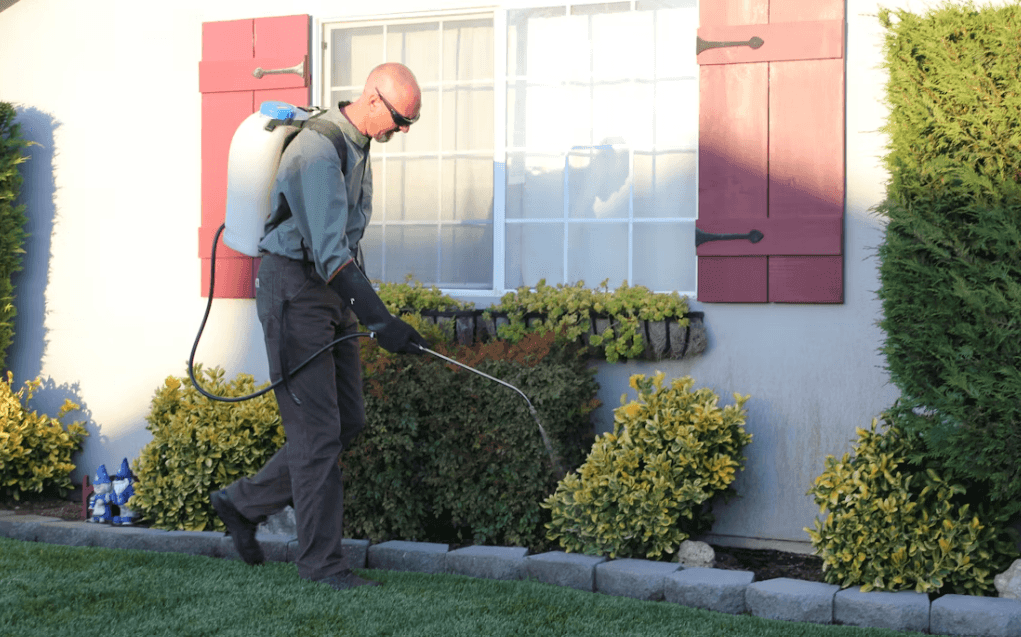
Integrated Pest Management, or IPM, used to be a term mostly heard in commercial agriculture or large-scale facility management. Now it is showing up in residential pest control plans, and it looks a lot different from the old “spray everything and hope” approach. IPM combines regular monitoring, exclusion work like sealing cracks and vents, habitat modification such as adjusting mulch depth or trimming shrubs away from siding, and targeted treatment only where and when it is actually needed. This layered strategy means fewer blanket chemical applications and more precise interventions.
For a busy family, this translates into less disruption. Instead of a technician showing up unannounced because something went wrong, IPM-based service providers typically schedule quarterly or seasonal visits, checking known trouble spots like the garage, attic vents, and foundation lines before problems escalate.
It is a lot like the everyday habits families already build into their routines, and honestly it pairs well with ideas found in simple habits that keep pests out of a home without requiring a total lifestyle overhaul. Small, consistent actions add up faster than a single dramatic response ever could.
Eco-Friendly and Sustainable Solutions Gaining Traction
Consumer demand is also pushing the industry toward gentler methods. Botanical pesticides derived from plant compounds, biological controls that introduce natural predators, and reduced-risk formulations are replacing some of the harsher chemical treatments that dominated pest control for decades. Parents especially are asking pointed questions about what is being applied near play areas, pet bowls, and vegetable gardens, and companies are responding with product lines built around that concern.
This is not just a marketing trend, either. Many of these eco-conscious methods actually work better as long-term strategies because they target pest biology and behavior rather than relying purely on toxicity. Pheromone traps, for instance, disrupt breeding cycles instead of just killing visible pests, which fits naturally into the preventative model rather than the old reactive one.
| Metric | Figure |
| Homeowners planning a preventative approach (Spring/Summer 2026) | 60% |
| Homeowners still relying on DIY methods despite repeat infestations | 54% |
| Homeowners who hire professional pest control services | 22% |
| Homeowners using subscription-based recurring treatments | 10-14% |
| U.S. pest control market growth, 2025 to 2034 | $29.47B to $52.14B |
Making the Shift: Practical Steps for Modern Homeowners
Moving from reactive to preventative pest management does not require a complete overhaul overnight. Start by walking the perimeter of your home once a season, checking for gaps around utility lines, cracked weatherstripping, and soil that has settled against the foundation. Address moisture issues quickly, since damp crawl spaces and clogged gutters are magnets for termites, mosquitoes, and cockroaches alike. These are small, low-cost tasks that pay off far more than an emergency treatment ever will.
Second, consider a recurring service plan rather than one-off calls, even though only a small percentage of households currently use this option. Recurring plans catch problems while they are still manageable, and many providers now offer flexible quarterly scheduling that fits around family calendars instead of disrupting them.
Finally, stay informed about regional pest pressures, since what works in a dry climate will look different from strategies needed in a humid one. The families who adapt fastest to this preventative mindset are the ones who save the most money, time, and peace of mind in the long run.