
Family Cabin Getaways: How to Make the Trip Feel Like a Vacation
This post contains affiliate links. Click here to read my affiliate policy.
Last Updated on October 29, 2026
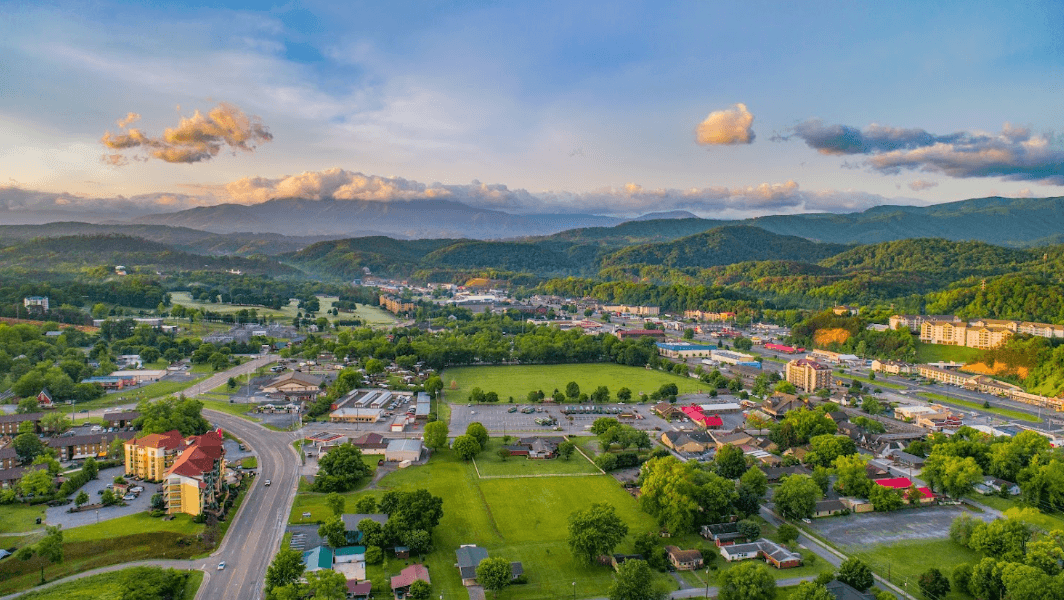
Family vacations are supposed to create good memories, but bringing several ages, routines, appetites, and opinions under one roof can test even the most organized traveler. Pigeon Forge, Tennessee, sees more than nine million visitors annually, which helps explain why family accommodation and group travel play such a large role in the area. A family cabin getaway can make that kind of vacation easier by giving everyone more space, privacy, and flexibility than a tightly scheduled trip. The trick is choosing the right setup and resisting the urge to organize every hour before you even arrive.
Choosing a Family Cabin: Look Past the Best Photograph
A dramatic view can sell a property quickly, but the practical details determine whether everyone is still happy by day three.
When comparing Pigeon Forge cabins for families, Hearthside Cabin Rentals offers properties designed for different group sizes and travel needs. Look carefully at bedroom arrangements, bathroom numbers, parking, kitchen space, accessibility, common areas, and entertainment options rather than judging a cabin solely by its most impressive photograph.
Think about what happens when everyone is inside at the same time.
Two bathrooms may sound sufficient until eight people are trying to get ready for dinner. A beautiful deck is less useful if there is nowhere comfortable for children to spend a rainy afternoon. A large kitchen matters if several people will be cooking together.
The right cabin should support the family’s routine instead of creating new problems everyone has to work around.
Decide What Kind of Vacation Your Family Actually Wants
Before comparing properties, think about what an enjoyable day looks like for the people traveling with you.
Some families prefer to leave early every morning and spend most of the day exploring. Others want slower starts, one major outing, and plenty of time back at the cabin. Neither approach is better, but they require different accommodations and schedules.
Age matters too. Young children may need naps and earlier dinners. Teenagers may want privacy, reliable Wi-Fi, and fewer early mornings. Grandparents may appreciate easier access, comfortable seating, and fewer stairs.
Getting everyone involved in a few early decisions can also reduce disagreements later. Giving children and teenagers some input into vacation plans can help create more enthusiasm for shared activities while making the schedule feel less imposed.
You do not need complete agreement on everything. You simply need enough information to plan around the group you actually have.
Give Different Generations Room to Travel Differently
Multi-generational trips work best when togetherness does not become a requirement every minute of the day.
Children, teenagers, parents, and grandparents rarely have identical energy levels or interests. Trying to keep everyone on the same schedule can turn a holiday into a surprisingly complicated exercise in negotiation.
Allow smaller groups to separate occasionally. Someone may want a quiet afternoon while others head out. Teenagers might prefer downtime while younger children are ready for another activity. Adults may appreciate an hour to sit outside without coordinating anybody else’s entertainment.
That flexibility is one reason cabin trips can work particularly well for larger families. Shared living spaces allow everyone to reconnect naturally without requiring them to remain together constantly.
A successful family getaway should create opportunities for time together, not enforce it.
Build the Schedule Around One Main Event a Day
Trying to squeeze several major activities into every day usually sounds better on paper than it feels in reality.
Choose one primary outing and treat anything else as optional. That structure gives the day direction without creating pressure to move constantly from one reservation to another.
When picking that outing, match it to the people in the group. Younger children usually do better with something short and hands-on, teenagers often want something active or a little different, and grandparents may prefer a slower option with plenty of places to sit. Near Pigeon Forge, families can explore interactive exhibits at WonderWorks, enjoy rides and attractions at The Island in Pigeon Forge, or take a more relaxed ride on the Great Smoky Mountain Wheel, which offers views of the Smoky Mountains from enclosed gondolas. Check each attraction’s hours and ticket prices before visiting, as schedules and admission costs can change.
It also gives you breathing room when something takes longer than expected. Children get tired. Meals run late. Weather changes. Someone decides they need an afternoon nap despite previously insisting they were not tired.
None of that should ruin the plan.
A lighter schedule makes those ordinary delays much easier to absorb. It also means the family has time to enjoy the cabin rather than simply using it as a place to sleep between activities.
The goal is not to prove how much you managed to fit into the trip. It is to return home feeling like you actually had one.
Treat Downtime as Part of the Vacation
Families sometimes spend significant money on accommodation and then barely use it.
That misses one of the biggest advantages of a cabin vacation.
Leave time for slow breakfasts, games, conversations, outdoor seating, movies, or whatever the property offers. Children often enjoy having time to play without being rushed into the next activity, while adults benefit from not spending every afternoon managing logistics.
There is also growing interest in family travel that prioritizes connection and slower pacing rather than constant programmed entertainment. Creating space for both shared experiences and downtime can make a trip feel less overstimulating and give different generations more opportunities to spend meaningful time together.
Downtime is not wasted vacation time. In many families, it produces some of the moments people remember most.
Keep Cabin Meals Realistic
Having a full kitchen creates useful flexibility, but it can also inspire unrealistic culinary ambition before the trip begins.
You may picture elaborate breakfasts and homemade dinners every evening. By the second day, everyone may be hungry, tired, and deeply uninterested in chopping vegetables.
Plan meals around convenience.
Breakfast foods, sandwich ingredients, snacks, simple dinners, and easy-to-prepare staples usually make more sense than buying groceries for complicated recipes. One or two cooked dinners can be enjoyable without turning somebody into the family’s unpaid vacation chef.
It also helps to discuss food expectations before arrival. If everyone assumes someone else is buying breakfast, you can end up with six bottles of soda and nothing anyone actually wants to eat in the morning.
A little coordination keeps grocery spending reasonable and reduces unnecessary trips to the store.
Spend on the Things Your Family Will Actually Use
Cabin prices can vary considerably depending on size, season, amenities, and demand. Do not assume that every upgrade is worthwhile simply because it sounds impressive.
An entertainment room may offer excellent value for families planning plenty of cabin time. A larger deck could matter to adults who enjoy quiet mornings outdoors. Extra bedrooms may be far more important than luxury finishes when several households are traveling together.
The same logic applies to activities. Choose a few experiences that different members of the family genuinely care about instead of buying tickets simply because something is nearby. When everyone picks one priority, the budget becomes easier to manage, and the itinerary feels more personal. Intentional spending rarely makes a vacation feel cheap. Random spending does.
Timing matters too. A cabin stay in summer tends to pull the day outdoors, while a fall or winter trip shifts more of it back inside, making the fireplace, entertainment room, and kitchen more useful.
According to Evolve’s vacation rental market analysis for the Gatlinburg and Pigeon Forge area, nightly rates averaged $272 during peak months, compared with $193 during quieter months. That’s a difference of $79 per night, which can add up over a weeklong stay. If your dates are flexible, think about the weather your family would enjoy and how much you want to spend on the cabin.
Make Arrival Day Deliberately Easy
The first day sets the tone for everything that follows.
Avoid scheduling an important activity immediately after arrival. Travel delays, grocery stops, tired children, and unfamiliar roads can turn a tightly planned evening into unnecessary stress.
Instead, use arrival day to settle into the property.
Unpack enough to feel organized, figure out sleeping arrangements, check essential supplies, and let everyone explore the cabin. A simple meal works better than a complicated dinner plan after several hours of travel.
This is also a good time to review the basic schedule so everyone knows which plans are fixed and which are flexible.
Starting slowly makes the vacation feel calmer almost immediately.
Leave Enough Flexibility for Real Family Life
A family cabin getaway will probably contain at least one forgotten item, changed plan, unexpected nap, disagreement about food, or activity somebody suddenly decides they no longer want to do.
That is normal.
The strongest travel plans are not the ones that prevent every inconvenience. They are the ones flexible enough to handle inconvenience without turning it into a crisis.
Choose accommodation that gives people enough room, keep the daily schedule manageable, plan food realistically, and allow different family members to enjoy the trip in different ways.
A cabin vacation succeeds when the property becomes more than somewhere to sleep. It becomes the place where everyone can slow down, regroup, and spend time together without feeling constantly scheduled.
That balance—enough planning to keep things smooth and enough freedom to let the trip breathe—is usually what makes a family cabin getaway feel like a vacation rather than another project to manage.