
Everyday Hydration and Wellness: What to Know Before Considering IV Therapy
This post contains affiliate links. Click here to read my affiliate policy.
Last Updated on October 23, 2026
In This Article
This article contains:
● How Food and Drinks Add up to Real Hydration
● Healthy Daily Habits That Keep You Hydrated
● When IV Therapy Enters the Conversation
● Top 4 IV Therapy Clinics Around the U.S.
● Frequently Asked Questions
● Building a Hydration Routine That Actually Works
You drink water, eat well and still hit an afternoon slump with a headache and brain fog. If you wonder whether you’re dehydrated or an IV drip could help, start with everyday hydration and learn when IV therapy fits.
How Food and Drinks Add up to Real Hydration
You get 20% to 30% of your hydration from food, and 70% to 80% from drinks. Water content runs from 5% in nuts to 90% in produce like cucumbers and watermelon.
Healthy Daily Habits That Keep You Hydrated
Healthy daily habits make hydration easier:
● Keep a bottle close: A refillable bottle encourages sipping.
● Pour with meals: A glass at each meal anchors the habit.
● Add citrus: Lemon or lime adds sugar-free flavor.
● Adjust as needed: Drink more in the heat, during workouts, when you have a fever and when you’re sick.
Consistency does the work. When habits fall short, medical care may help.
When IV Therapy Enters the Conversation
How to tell if you need IV hydration starts with symptoms. Thirst, dry mouth, darker urine and headache can suggest mild dehydration, which fluids at home often ease. Rapid heartbeat, confusion, fainting or seizures need medical guidance, and severe dehydration may require IV therapy.
One clinical statement found little evidence of added benefit from wellness drips, along with risks of irritation and infection. A drip may feel faster, but your doctor should decide.
Top 4 IV Therapy Clinics Around the U.S.
If your doctor agrees an infusion makes sense, choose carefully. These picks emphasize medical oversight, not price or popularity.
NeuMed (Houston, TX)
NeuMed runs five clinics across the city, pairing urgent care with private suites. Licensed staff give physician-overseen infusions after intake. Most drips take 45-60 minutes.
Hydrate IV Bar (Denver, CO)
Hydrate IV Bar has spa-style lounges in three Denver neighborhoods. Nurses give doctor-directed drips after a goals review. Most drips take 45-60 minutes.
ASAP IVs (Scottsdale, AZ)
ASAP IVs has clinics in Old Town Scottsdale and Paradise Valley. Nurses give every drip after an intake form. Most drips take 20-45 minutes.
Lume (Chicago, IL)
Lume operates one River North studio in Chicago. Medical professionals supervise drips after reviewing your health history. IVs take about 40 minutes.
What Guided These Picks
The comparison looks at the setting, who gives and oversees the drip, what happens before the first drip and typical drip length. Each entry covers these facts in the same order. Every detail is self-reported from the clinic’s own website.
Frequently Asked Questions
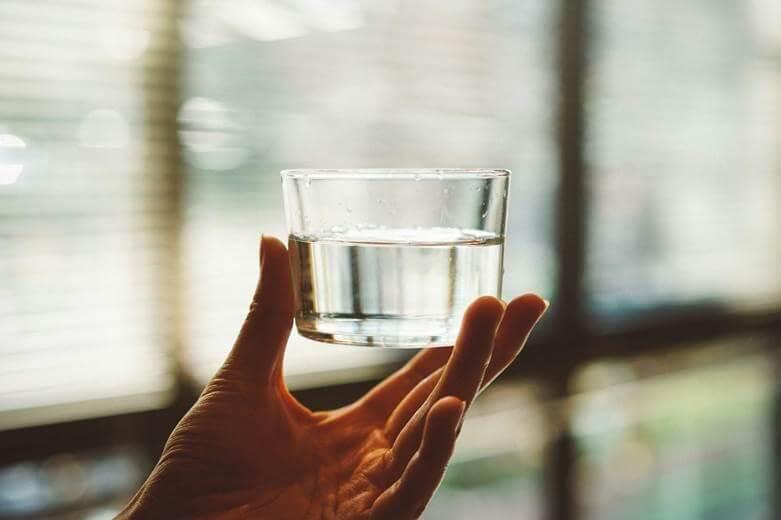
Image by Manki Kim on Unsplash
Here are common questions about IV therapy.
How can you tell if you need IV hydration?
Mild signs usually call for fluids at home. Severe symptoms need medical care, where IV fluids are used to treat serious cases.
Can you rehydrate with food alone?
You can’t rehydrate with food alone. Drinks account for most of your water intake.
Is it safe to try IV therapy for everyday fatigue?
Evidence for wellness drips is thin, and infusions carry risks. A doctor visit is a safer first step, and any drip needs physician approval.
Building a Hydration Routine That Actually Works
Food, drinks and small habits cover most of what your body needs. IV therapy is a decision for you and your doctor, but the glass on your table still does the lifting.


