The Hidden Impact of Weather on Your Home and Lifestyle
This post contains affiliate links. Click here to read my affiliate policy.
Last Updated on March 25, 2026
Weather shapes daily life in subtle but powerful ways, especially in a place like Olympia, WA, where rain, coastal moisture, and seasonal shifts create constant pressure on homes. Residents adapt routines, materials, and maintenance habits to stay comfortable year-round. Small changes in climate patterns can influence energy use, structural durability, and even personal well-being.
Many homeowners overlook how deeply weather conditions interact with their living spaces. A closer look reveals how temperature swings, humidity, and storms quietly influence both property value and lifestyle choices.
How Temperature Swings Affect Structural Integrity
Temperature changes force building materials to expand and contract. Wood frames shift, metal components stretch, and concrete develops small cracks over time. Repeated cycles create stress points that weaken structural stability. Homeowners often ignore these changes until visible damage appears.
Seasonal extremes accelerate wear on joints, seals, and support systems. Insulation also struggles to maintain consistent indoor conditions when outside temperatures fluctuate sharply. Regular inspections help identify early signs of stress before repairs grow costly. Paying attention to subtle creaks or minor cracks can prevent larger issues from developing and protect long-term structural strength.
Rainfall Patterns and Roof Longevity
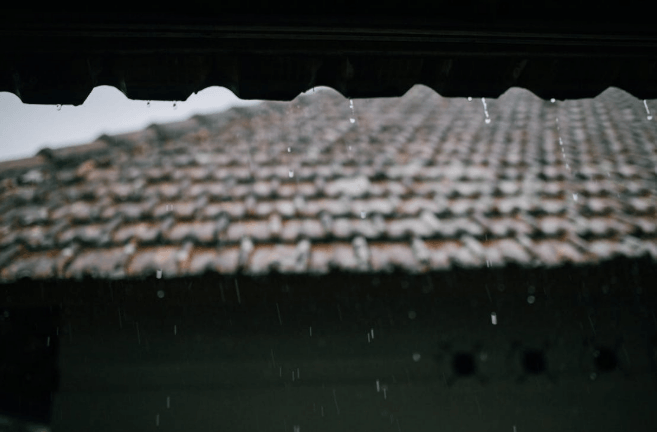
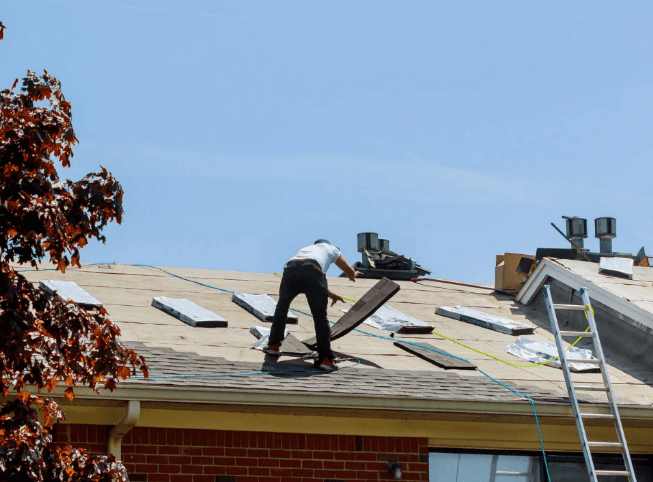
Frequent rainfall creates persistent moisture exposure that challenges roofing systems. In Olympia, WA, steady rain and damp air increase the risk of mold, algae growth, and material decay. Homeowners often underestimate how quickly shingles deteriorate under constant moisture.
Timely maintenance decisions, such as working with an Olympia roof replacement professional, can prevent leaks and structural damage. Water infiltration weakens underlayment layers and compromises insulation efficiency.
Proper drainage systems and routine inspections play a critical role in extending roof lifespan. Paying attention to water flow and buildup helps maintain durability and keeps interiors dry during extended rainy periods.
Humidity and Indoor Air Quality
High humidity levels create ideal conditions for mold and mildew growth inside homes. Moist air settles into walls, carpets, and ventilation systems, which affects both comfort and health. People often notice musty odors before visible signs appear.
Poor air quality can trigger allergies and respiratory discomfort. Dehumidifiers and proper ventilation reduce excess moisture and improve indoor conditions. Kitchens, bathrooms, and basements require special attention due to frequent water use.
Maintaining balanced humidity levels supports a healthier living environment and prevents long-term damage to interior materials such as wood flooring and drywall.
Wind Exposure and Exterior Wear
Strong winds place constant pressure on exterior surfaces. Siding panels loosen, paint chips away, and small gaps form around windows and doors. Over time, these minor issues allow air and moisture to enter the home.
Wind-driven debris can also damage roofing materials and outdoor structures. Homeowners should secure loose elements and reinforce vulnerable areas to reduce long-term wear. Regular checks after storms help identify damage early.
Durable materials and proper installation techniques improve resistance against harsh wind conditions and extend the lifespan of exterior components.
Seasonal Changes and Energy Consumption
Seasonal weather shifts directly influence energy usage in homes. Cold months increase heating demand, while warmer periods drive cooling needs. Inefficient insulation or outdated systems lead to higher energy bills.
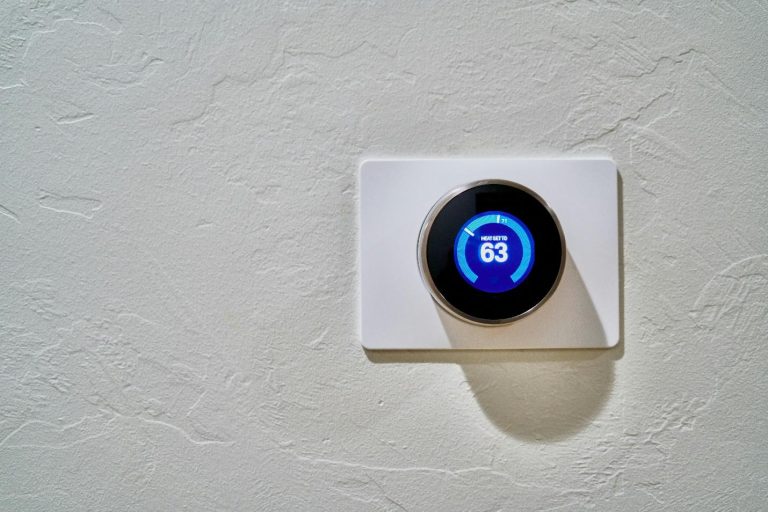
Homeowners can improve efficiency by sealing gaps, upgrading windows, and maintaining HVAC systems. Smart thermostats also help regulate indoor temperatures more effectively. Weather patterns determine how hard these systems work throughout the year.
Understanding seasonal demands allows homeowners to adjust usage habits and reduce unnecessary energy consumption without sacrificing comfort.
Sun Exposure and Material Degradation
Sunlight affects more than indoor brightness. Prolonged exposure to ultraviolet rays fades paint, weakens roofing materials, and dries out wood surfaces. Exterior finishes lose their protective qualities over time, which leaves structures vulnerable to further damage.
Homeowners often overlook the impact of daily sun exposure on long-term durability. Protective coatings, shade structures, and regular maintenance help preserve materials. Even indoor furnishings can fade when sunlight enters through windows. Managing sun exposure ensures surfaces maintain strength and appearance for longer periods.
Storm Events and Emergency Preparedness
Severe weather events test the resilience of any home. Heavy rain, strong winds, and sudden temperature drops can cause immediate damage. Preparedness reduces risk and limits potential losses.
Homeowners should secure loose outdoor items, check drainage systems, and maintain emergency supplies. Quick action during storms prevents minor issues from escalating.
Regular planning ensures that households respond effectively under pressure. Understanding local weather trends also helps families anticipate risks and take preventive steps before storms arrive.
Weather Influence on Daily Routines
Weather shapes how people structure their daily lives. Rainy days encourage indoor activities, while clear conditions promote outdoor movement. Temperature and humidity levels affect productivity, sleep quality, and overall comfort.
Home design plays a role in adapting to these changes. Well-lit spaces, proper ventilation, and temperature control systems improve daily experiences. People often adjust schedules based on weather forecasts without realizing the deeper influence on habits and routines. A well-prepared home supports flexibility and comfort regardless of external conditions.
Landscaping and Environmental Interaction
Weather directly impacts landscaping choices and maintenance routines. Plants require specific conditions to thrive, and changing climates can disrupt growth patterns. Excess rain can lead to soil erosion, while dry periods stress vegetation.
Homeowners must choose plants that match local conditions and adjust watering practices accordingly. Proper drainage systems prevent water accumulation near foundations.
Landscaping also affects how homes handle temperature and moisture. Strategic planting can provide shade, reduce heat buildup, and improve overall environmental balance around the property.
Long-Term Property Value and Climate Awareness
Weather patterns influence property value over time. Homes that withstand local conditions maintain stronger market appeal. Buyers often consider climate-related durability when evaluating properties.
Regular maintenance and climate-aware upgrades protect both structure and value. Ignoring weather-related wear can lead to costly repairs and reduced resale potential. Homeowners who stay proactive preserve their investment and avoid unexpected expenses.
Understanding how climate interacts with property features helps maintain long-term financial stability and ensures homes remain desirable in changing conditions.
Conclusion
Weather affects more than comfort; it shapes the condition, efficiency, and value of every home. Awareness allows homeowners to make smarter decisions and prevent long-term damage. Small adjustments in maintenance and design can create lasting benefits. A proactive approach keeps homes resilient and lifestyles balanced despite changing conditions.