Equine Therapy and Mental Health: How Horses Help Healing
This post contains affiliate links. Click here to read my affiliate policy.
Last Updated on April 3, 2026
We live in a strange world where stress is unavoidable. Sad, but true. Mental health has become one of the most important things right now, but sometimes it requires a different approach.
Most people think mental health treatment happens in a quiet office with two chairs, a person listening to your problems, and writing them in a notebook. You sit down, you talk, and you leave feeling lighter. But healing doesn’t always work that way.
In fact, for many people, traditional therapy doesn’t cut the cheese anymore. Sometimes, words aren’t enough.
This is where equine therapy comes in. And no, it’s not just about riding horses for fun. We are talking about a structured approach where horses are used as part of mental health treatment. They are helping people process emotions, rebuild confidence, and regulate stress in ways that feel natural rather than forced.
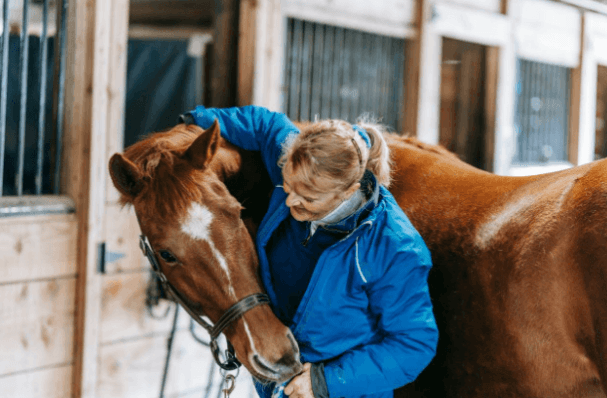
Photo by Barbara Olsen
It’s Not About Riding
One of the biggest misconceptions about equine therapy is that it’s just riding a horse with a therapist nearby. It’s not like that at all.
In reality, many programs focus more on groundwork than riding. We are talking about grooming the horse, leading it, observing its reactions, feeding the horse, and learning how to communicate with these 1,200-pound animals without any words.
Just being around these animals feels grounding. If you’ve ever been to a race like the Kentucky Derby, you already know this. Yes, there is noise, and people are on browsing horse race betting sites, and they argue about which horse is going to win, but once the dust settles, you’ll notice that being around horses will calm you down.
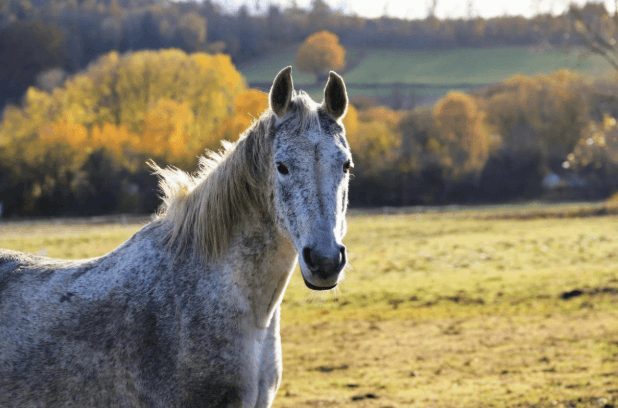
Despite their size, horses are highly sensitive animals. They respond to body language, tone, and posture, and most importantly, they know if you’re anxious and can read your emotions.
That immediate feedback is the exact reason why horses are used as a mental health therapy. You don’t say a word, but they already know how you feel.
Emotional Awareness Happens Naturally
In traditional sessions, you might be asked, “How did that make you feel?” In equine therapy things work differently. You might notice that the horse stepped away when you approached too quickly or relaxed when you softened your posture.
This sparks reflection without pressure. Horses don’t judge. They don’t interrupt. They don’t analyze your words. They react honestly, instantly, and consistently.
That honesty is proven to help a lot of people become more aware of their own emotional patterns. So, instead of forcing insight, the environment encourages it. Equine therapy is very effective for individuals dealing with anxiety, trauma, or depression. The horse will force you to observe your emotions and will calm you down in seconds.
Structure Still Matters
However, equine therapy isn’t random. It’s not like you’re spending a few days around horses. Most equine therapy providers have licensed mental health professionals or certified facilitators who design sessions with intention.
So, feeding horses, grooming them from the start, then riding them alone, and riding them in groups of people are structured procedures where each activity has a different effect on your mental health.
Therefore, this isn’t about wandering around the stable hoping for emotional breakthroughs. It’s more about creating a safe space where interaction with horses only amplifies the effectiveness of the therapy.
Plus, each therapy session is designed in a way to help you overcome certain things. For example, someone working on boundary setting might practice leading a horse with clear direction. And a person struggling with trust might ride a horse in a narrow path. Or a person who is dealing with social isolation is a perfect candidate for group horse trail rides.
In other words, there’s always purpose behind the activity.
Why Horses Work So Well
Horses are prey animals. Their survival depends on reading subtle cues in their environment. That makes them incredibly attuned to human behavior. Plus, they can feel our emotions.
They don’t care about job titles, social status, or how confident someone appears on the outside. They respond to what’s actually happening in the moment.
That kind of response can be grounding.
When someone feels overwhelmed or disconnected, working with a horse can bring them back to the present. You can’t rush a 1,000-pound animal. You can’t fake calmness. You have to regulate yourself.
And that regulation becomes practice for real life.
It’s Not Just for One Type of Person
Equine therapy is often associated with children or individuals recovering from trauma, but the truth is broader.
Veterans dealing with PTSD, teenagers navigating anxiety, adults struggling with burnout, and even corporate teams looking to improve communication have participated in structured equine programs.
The common thread isn’t age or diagnosis.
It’s the need for experiential learning. Some lessons are easier to absorb when you’re doing rather than talking.
Final Thoughts
We’re not saying that equine therapy can replace traditional mental health treatment, but it can definitely improve its effectiveness. It’s more about expanding the treatment in unconventional ways that work more smoothly.
It’s so effective just because it is a combination of elements, such as you being outdoors, around people, and around big animals, and when a big animal like a horse starts to trust you, you get that feeling like you’re on top of the world.
All of these things improve your mental health. So, if you’re someone who’s struggling with mental health problems, maybe equine therapy is the perfect solution for you.