How to Check for Roof Damage
This post contains affiliate links. Click here to read my affiliate policy.
Last Updated on July 4, 2026
When it comes to protecting your home, your roof is the first line of defence against the elements. It faces heavy rains, strong sun, ice storms, high winds, and sometimes hail. This wear and tear can cause hidden problems. Spotting roof damage early can save you time, money, and stress. With some simple checks and awareness, you can keep your roof in good condition.
To assess your roof, understand its layout and know what to look for. Regular maintenance and checks can help you find small issues before they become big problems.
Visual Inspection
Start with a visual inspection. Use binoculars to look for missing, cracked, or curling shingles from the ground. Note any dark spots or discoloration, which could mean mould or water damage. These signs can point to bigger issues.
If you feel safe doing so, go onto the roof. Be careful. Wear non-slip shoes and bring a buddy if possible. Check for any sagging areas, which may indicate serious problems. Pay special attention to vent pipes, chimneys, and areas where water can pool, as these are often at risk for leaks.
The Role of Roofers
Toronto roofers are vital for keeping your roof healthy. They know how to find issues that you might not see. A good roofer can offer valuable advice on your roof type and common local problems. Their expertise is important after a severe storm or for regular maintenance.
Having a reliable roofer gives you peace of mind. They can recommend ways to extend your roof’s life and fix small issues before they worsen. Plus, they understand local regulations, ensuring that repairs meet safety and quality standards.
Signs of Water Damage
Water damage is a common roof issue. While inspecting, check your home’s interior for signs of leaks. Stains on ceilings or walls, peeling paint, or a musty smell can all be signs. Check areas around skylights and plumbing stacks closely.
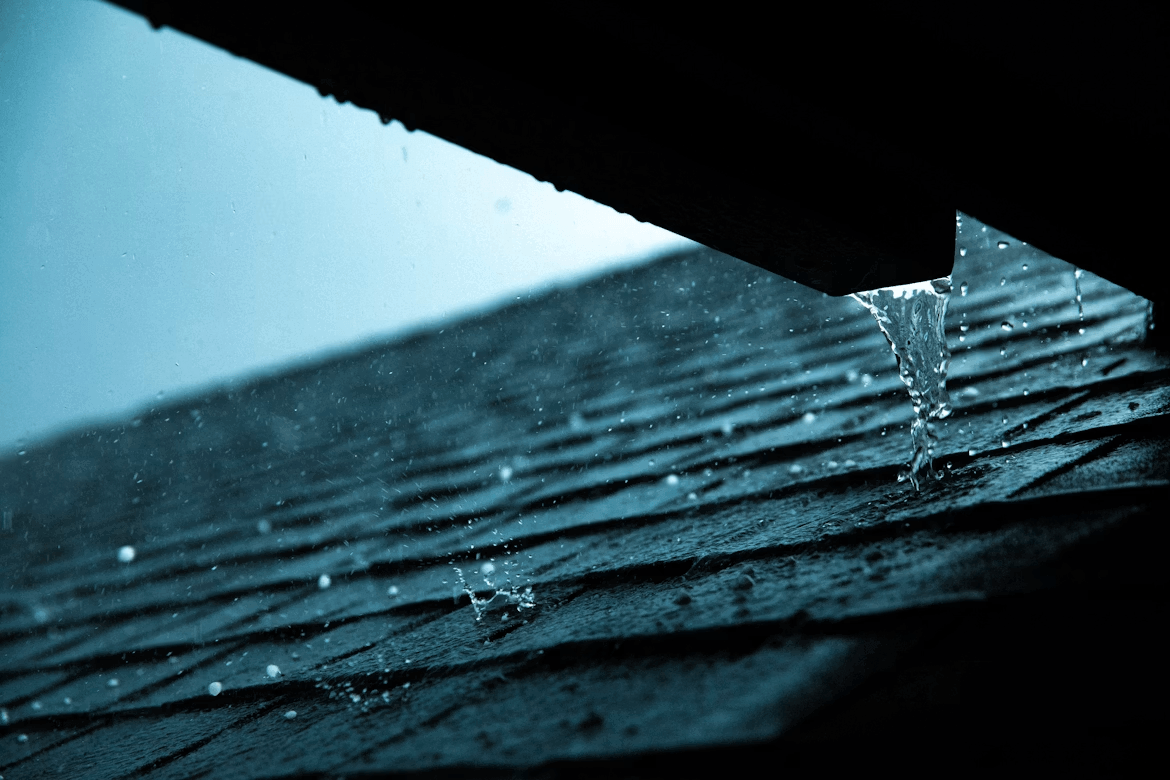
Also, look at your gutters. They should be clear and working well. If they are blocked or stained, water may back up, leading to leaks and damage. Regular gutter maintenance is important.
Know Your Roof Type
Different roofing materials have different lifespans and care needs. Asphalt shingles last about 15 to 30 years, while metal roofs can last over 50 years. Knowing your roof type can help you spot specific problems. For instance, wood shingles may need more checks due to rot.
If your home has a flat roof, do extra inspections. Flat roofs can hold water, leading to leaks. Look for blisters or bubbles in the material, as these can show issues that need urgent attention.
Seasonal Checks
Get into the habit of checking your roof each season. Each season brings different issues, so being proactive can prevent serious damage. After winter, look for signs of ice buildup or snow that may have damaged your roof. In spring, check for damage caused by melting snow or heavy rain.
In summer, look for damage from UV rays, especially if your area has high temperatures or a lot of sunlight. In fall, clear away leaves and check for any wear and tear before winter arrives.
Emergency Repairs
Emergencies can still happen, even with regular maintenance. Severe weather, like heavy storms or unexpected hail, can damage your roof and require urgent repairs. Knowing how to handle these situations can help prevent more problems later.
If you see a sudden leak, act quickly. Use buckets to catch the dripping water and create makeshift barriers to redirect the water flow. If debris, such as branches or tiles, falls onto your roof, check the damage carefully. Do not climb onto the roof during severe weather to make repairs. Instead, call a roofer right away to assess the situation and make necessary emergency repairs.
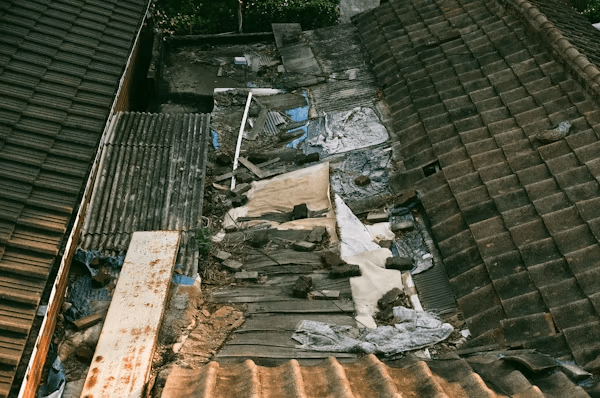
You can do simple DIY tasks to help maintain your roof alongside professional inspections. Regular cleaning can greatly extend your roof’s life. Clear debris from gutters and downspouts to ensure proper water drainage. Trim overhanging branches that could scratch your roof or block sunlight, which can lead to mould growth.
Professional Inspections
If you see anything concerning during your checks or just want reassurance, call a professional. Scheduling a roof inspection with an expert can reveal problems you might miss. Many roofers offer thorough inspections to identify potential issues and recommend maintenance plans for your roof.
Adding professional checks to your home maintenance routine can help you avoid serious problems. Keeping your roof in good shape can seem challenging, but regular inspections and maintenance make a big difference. Staying alert and proactive ensures your roof continues to protect your home. Remember, regular inspections can stop big problems before they start.