
Signs Your Home May Be Ready for a New Roof
This post contains affiliate links. Click here to read my affiliate policy.
Last Updated on July 3, 2026
Your roof does a lot of quiet work every day. It deals with rain, wind, sun, snow, and the occasional tree twig that thinks it owns the place. Most of the time, you barely notice it. Then one day, a water stain pops up on the ceiling, and suddenly your roof becomes the main character. For homeowners in Bolingbrook, knowing the early signs of roof trouble can help avoid bigger messes, bigger bills, and that stressful rush to fix everything at once.
Why roofs wear out
Roofs don’t fail all at once like a cartoon trapdoor. They usually wear down little by little. Years of sun can dry out shingles. Wind can loosen edges. Heavy rain can sneak into tiny weak spots and slowly make them worse.
Your local climate matters too. If your area gets hot summers, icy winters, or strong storms, your roof takes more of a beating. Even a well-installed roof has a life span, and that clock keeps ticking whether you think about it or not.
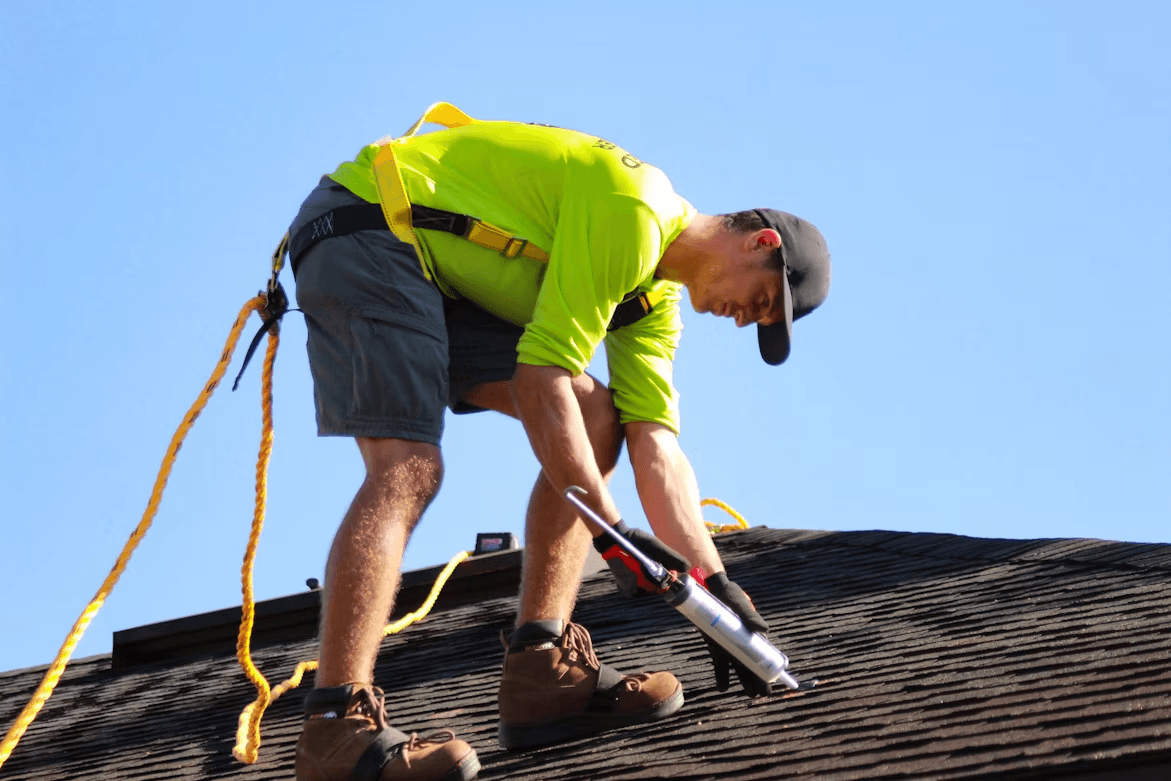
Maintenance also plays a part. Clogged gutters can push water back onto the roof. Moss can trap moisture. A few missing shingles may not seem dramatic, but they can open the door to bigger damage. Roofs are a bit like sneakers. If you wear them every day in rough weather, they won’t stay fresh forever.
Clues from the curb
Sometimes, the first warning signs are easy to spot from the ground. You might notice shingles that look curled, cracked, or patchy. Maybe part of the roof seems uneven, or you see dark streaks that weren’t there before. These things don’t always mean total roof failure, but they do mean it’s time to pay attention.
If your roof looks old and worn compared with nearby homes, that can be another hint. Granules collecting in gutters are also a common sign that shingles are breaking down. Think of it as your roof shedding its protective layer.
If problems keep showing up or the roof is near the end of its expected life, it may be time for a roof replacement in Bolingbrook before a small issue turns into a soggy surprise. Waiting too long can make the final bill much less friendly.
What you spot indoors
Roof trouble doesn’t always show up outside first. Sometimes the house itself drops the hints. A brown patch on the ceiling, paint peeling near the top of a wall, or a musty smell drifting out of the attic can all point to something going wrong overhead.
Moisture is the biggest red flag. If your attic feels damp or you notice moldy patches on wood, your roof may be letting in water or failing to vent properly. Neither problem is great. Mold is clingy, and water likes to wander into insulation, drywall, and framing.
You may also feel drafts or notice your heating and cooling bills creeping up. A damaged roof can affect ventilation and insulation performance. That means your house may struggle to stay comfortable even when your HVAC system is trying its best.
These indoor signs matter because they often show that the problem has moved beyond surface wear. By the time water makes it inside, your roof is no longer keeping the outside where it belongs.
Repair or replace
This is the question most homeowners wrestle with. If the damage is small and your roof is still fairly young, a repair might be enough. A few missing shingles after a storm or a minor flashing issue can often be fixed without replacing everything.
But repeated repairs can become a money pit. If leaks keep coming back, if the damage covers a larger area, or if your roof is old enough to qualify for senior discounts in spirit, replacement may be the better call.
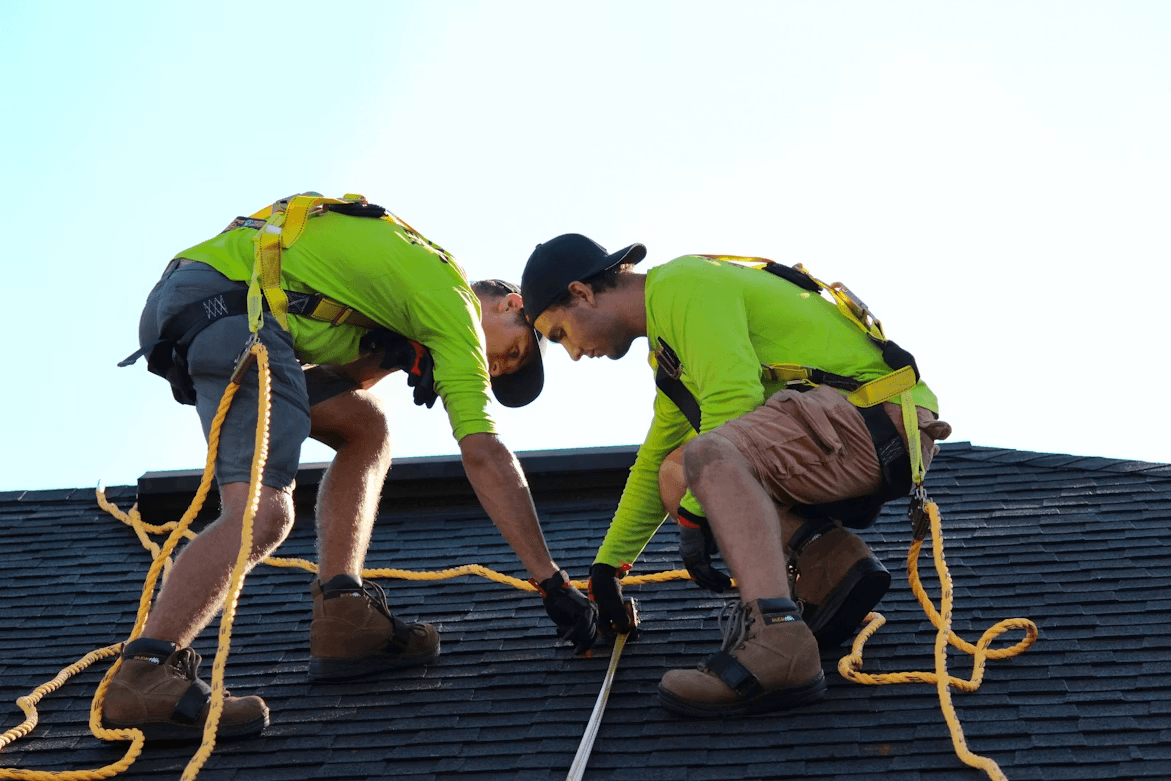
Age matters a lot. Asphalt shingle roofs often last around 20 to 30 years, depending on material quality and weather conditions. If yours is near that range and problems are piling up, replacing it may save you from constant patch jobs.
A good way to think about it is this: repairs are for isolated issues, while replacement makes sense when the whole system is wearing out. It’s less about one bad shingle and more about the roof’s overall condition.
Timing the project right
Most people don’t want to think about roofing projects until they have to. Fair enough. Still, timing matters more than you might expect. Planning gives you more choices, less stress, and a better chance of scheduling work before severe weather rolls in.
Spring through fall is often the busiest time for roofing because conditions are more predictable. That doesn’t mean winter work is impossible, but colder temperatures can complicate some materials and installation methods. Your contractor can tell you what makes sense for your area.
Try not to wait for an emergency if you can help it. When water is actively dripping into your living room, you’re more likely to make rushed decisions. Nobody chooses their best contractor while holding a bucket.
If you already see warning signs, start getting inspections and estimates sooner rather than later. A little planning can help you compare options calmly instead of reacting under pressure.
Questions worth asking
When you’re choosing someone to work on your roof, ask simple but useful questions. You don’t need to sound like a construction expert. You just need clear answers that make sense.
Here are a few smart things to ask:
- What roofing materials do you recommend for this home, and why
- How long should the project take
- What kind of warranty comes with the work and materials
- How will the cleanup be handled each day
- What happens if bad weather delays the job
- Will there be extra costs if hidden damage is found
Pay attention to how the answers are explained. If someone talks in circles or avoids details, that’s not a good sign. A good contractor should make the process easier to understand, not more confusing. Remember, you’re not being picky by asking questions. You’re protecting your home, your budget, and your peace of mind.
Getting your home ready
Once the project is scheduled, a little prep can make the whole experience smoother. Roof work is noisy. So, if you work from home, have a baby napping, or own a dog that barks at falling leaves, plan ahead.
Move cars out of the driveway so crews have space and your vehicle avoids stray debris. If you store keepsakes in the attic, cover them or move them temporarily. Dust can shake loose during the work, even if nobody is actually entering that space much.
It’s also smart to remove fragile wall items, especially on upper floors. Hammering on the roof can cause enough vibration to rattle frames and decorations. Give your neighbors a heads-up, too. It’s a nice gesture, and they’ll appreciate not being surprised by the soundtrack of roof day.
The better prepared you are, the less disruptive the project feels. A new roof may not be the most glamorous home update, but it protects everything underneath it. That makes it a pretty big deal.