Thinking Outside the Box: Disrupting the Modern Real Estate Market
This post contains affiliate links. Click here to read my affiliate policy.
Last Updated on July 13, 2026
The traditional real estate landscape is undergoing a massive transformation. Rising construction costs, labor shortages, and changing consumer mindsets are forcing both prospective homeowners and real estate investors to rethink how spaces are built and managed.
For decades, the housing market relied on the assumption that a home must be built exclusively from standard timber, brick, and drywall. However, that era is rapidly fading, clearing the way for innovative, modular alternatives that offer speed, durability, and a highly predictable financial footprint. For modern real estate enthusiasts, the biggest breakthroughs are happening at the intersection of global supply chain assets and residential property investment.
As urban density increases and the cost of raw materials fluctuates unpredictably, efficiency has become the ultimate metric of success. Buyers are no longer just looking for square footage; they are looking for smarter building methodologies that mitigate financial risk. This shift in perspective is driving a structural revolution, changing not only how we build houses, but also how landlords and developers manage long-term real estate portfolios.
The Reality of Custom Home Timelines
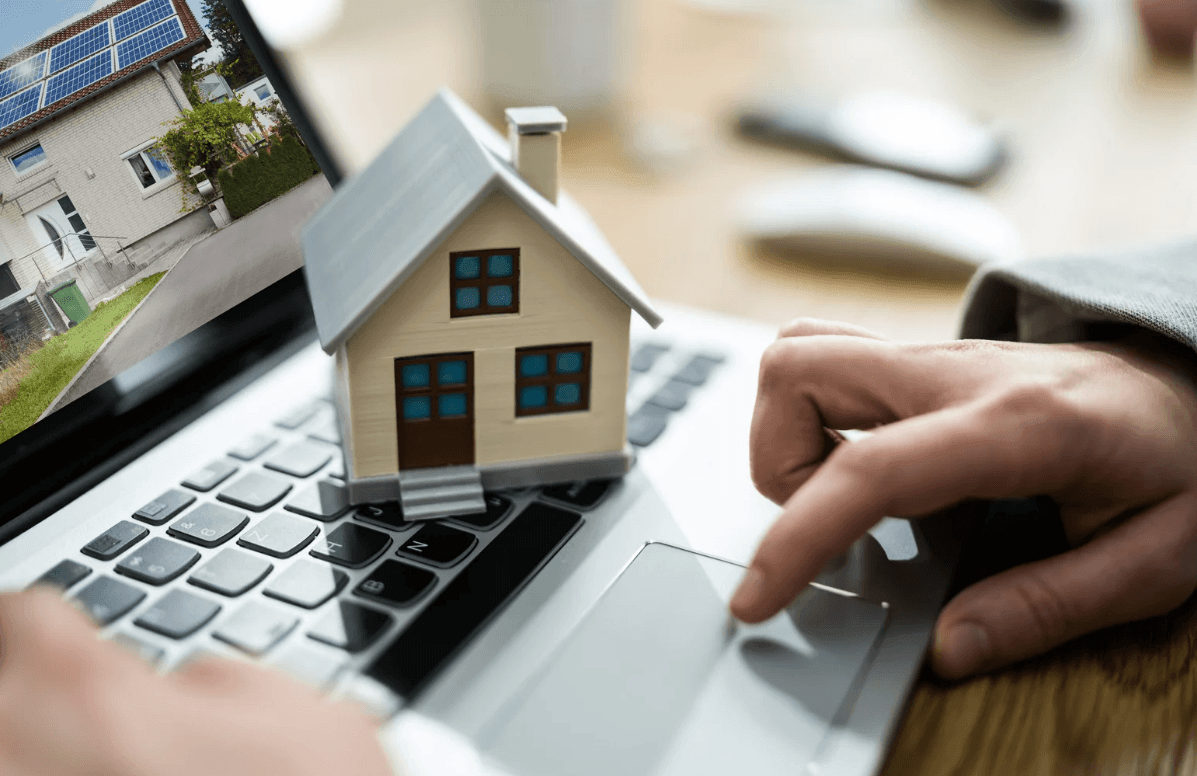
For the average person looking to build their dream home, the traditional path is notoriously grueling and filled with unexpected operational hurdles. From initial architectural drawings to the final inspection, the road to conventional homeownership requires immense patience.
According to Angi, your custom home build can take between 12 to 24 months, leaving future homeowners exposed to continuous financial risk throughout the process. During this lengthy timeframe, unexpected weather delays, supply chain disruptions, and labor scarcities can frequently halt progress on the job site.
Furthermore, a multi-year construction period leaves buyers highly vulnerable to macroeconomic shifts. Over a two-year window, fluctuations in material prices can break a budget, unexpected zoning delays can incur costly holding fees, and rising interest rates can drastically alter the long-term cost of a construction loan.
Because traditional custom home building requires such a massive upfront time investment before the structure becomes livable or generates value, a growing number of buyers are actively seeking alternatives. Turning to modular construction and container architecture allows them to completely bypass these lengthy traditional bottlenecks and move into their properties much faster.
The Surge in Alternative Architecture
As standard construction timelines drag on and conventional material costs remain volatile, the market for modular building blocks has exploded. Shipping containers, once relegated strictly to ocean freighters, industrial railyards, and international trade routes, have emerged as a primary asset class in alternative architecture.
According to Archive Market Research, the global shipping container market is valued at $5,551 million in 2025. This multi-billion dollar valuation highlights a massive, highly standardized surplus of structural steel units that are perfectly ripe for creative industrial repurposing.
Architects and progressive developers are capitalizing on this surplus by converting these rugged, weather-resistant steel boxes into eco-friendly residential spaces, luxury tiny homes, multi-story apartment complexes, and auxiliary dwelling units (ADUs).
The inherent benefit of using shipping containers lies in their structural integrity; they are designed to withstand the harshest maritime environments, making them incredibly resistant to fire, pests, and extreme weather. Because the core structural shell of the building is already fabricated, using these containers can slash months off the traditional construction window, providing a faster, more predictable path to completion.
Scaling the Modern Rental Portfolio
This structural evolution isn’t just a win for individual homeowners looking for an alternative lifestyle; it is also catching the attention of everyday real estate investors looking to efficiently scale their businesses. Contrary to popular belief, the private rental market isn’t entirely dominated by massive corporate conglomerates or institutional Wall Street funds. According to Flex, the average landlord owns 3 properties, meaning the vast majority of rental housing is managed by independent, mid-sized operators.
For these independent landlords, managing a portfolio of three properties requires a delicate balance. They must carefully manage maintenance costs, tenant turnover, property taxes, and capital expenditures across a relatively small operational footprint. Because buying entirely new parcels of land to scale a portfolio can be cost-prohibitive in today’s market, introducing container-based construction or modular units into their strategy is a game-changer.
Landlords can leverage these fast-building, highly durable structures to maximize the value of their existing land—such as installing a container ADU in a spacious backyard. This allows them to instantly add an entirely new rental income stream to their portfolio without the massive financial friction or long delays of traditional building methods.