Beginner’s Guide to Your First Trip to Greece
This post contains affiliate links. Click here to read my affiliate policy.
Last Updated on July 8, 2026
The Acropolis draws the crowds, but the marble underfoot at sites like this is often slippery and uneven, and half of the surprises on a first trip to Greece are like that: things nobody mentions until you’re standing there confused. Between the islands, the mainland, the ferries, and the sheer age of everything, a little planning ahead of time makes the difference between a smooth trip and a frustrating scramble.
Decide Between Islands, Mainland, or Both
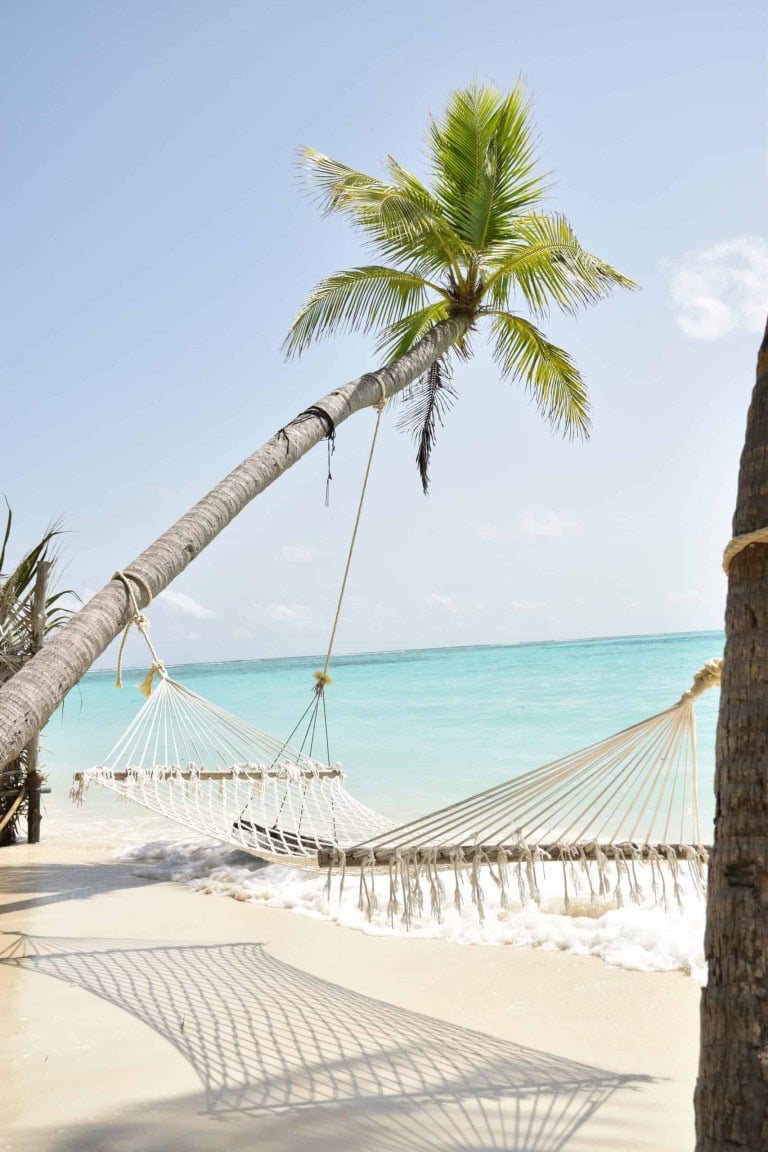
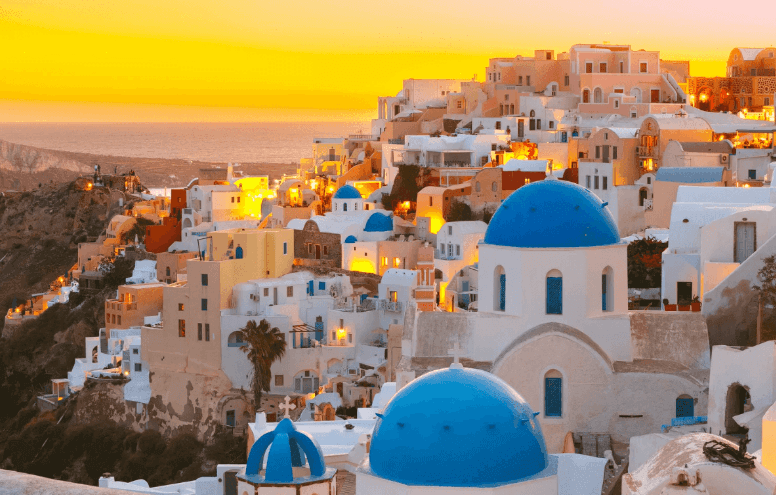
Greece isn’t one destination — it’s closer to a few dozen. Athens and the mainland offer ancient ruins, museums, and cities like Thessaloniki and Nafplio. The islands, from Santorini to Crete to lesser-known spots like Naxos, offer beaches, whitewashed villages, and a slower pace.
Trying to cram both into a week usually backfires. A common approach for first-timers is three or four nights in Athens, followed by four or five nights on one or two islands. Stretching beyond that means more time on ferries or planes and less time actually enjoying anywhere.
Time the Trip Around the Season, Not Just the Weather
Peak season runs from June through August, when temperatures regularly hit the mid-90s Fahrenheit on islands like Santorini and Mykonos, and hotel prices double or triple. Late May, June, and September offer warm water and thinner crowds, which makes them the sweet spot for most travelers.
Winter travel is a different trip entirely. Many island hotels, restaurants, and ferry routes shut down completely from November through March, so this season works better for Athens, Thessaloniki, or a mainland-focused itinerary rather than island-hopping.
Understand How Ferries Actually Work
Greek ferries connect the islands, but schedules shift by season and route, and delays from weather are common, especially with the meltemi winds that pick up in July and August. Booking tickets a few weeks ahead is smart in peak season, though many routes only open reservations 30 to 60 days out.
High-speed ferries cut travel time but cost more and get canceled more easily in rough seas than the slower conventional ferries. Building a buffer day between an island stop and a flight home avoids the stress of a missed connection ruining a return trip.
Budget for More Than Flights and Hotels
Entrance fees to major sites add up fast — the Acropolis alone runs around 20 euros in high season, and a combined ticket covering multiple Athens sites costs about 30 euros. Museums, guided tours, and boat trips to spots like the Blue Caves near Zakynthos are worth budgeting for separately.
Tipping isn’t mandatory but rounding up the bill or leaving 5 to 10 percent for good service is standard practice. Cash still matters in smaller villages and on some islands, where card machines go down or simply aren’t used at family-run tavernas.
Pack for Cobblestones, Sun, and Modest Dress
Comfortable, closed-toe shoes matter more in Greece than almost anywhere else in Europe. Ancient sites, village streets, and even some beach paths are uneven stone, and sandals alone won’t cut it for a full day of walking.
Sun protection is non-negotiable in summer, when UV levels stay high well into the evening. Some churches and monasteries, including the cliffside ones at Meteora, require covered shoulders and knees, so packing a lightweight scarf or shawl solves that problem without extra bulk in the suitcase.
Learn a Few Local Habits Before Arriving
Meals run later than in much of the U.S. — dinner rarely starts before 8 or 9 p.m., and restaurants often don’t open for dinner until then. Lunch is typically the bigger midday meal, and many small shops close for a few hours in the early afternoon, especially outside the busiest tourist areas.
Greeks are generally warm and hospitable toward visitors, and a few words of Greek, even just “efharisto” for thank you, tend to go a long way. English is widely spoken in tourist areas, but that courtesy still gets noticed.
Know Why Greece Works Well for Groups, Too
Greece isn’t only a destination for couples or solo travelers chasing sunsets. Its mix of ancient history, mythology, and manageable travel distances makes it a popular choice for school trips to Greece, where students can walk through the Acropolis, stand in the theater at Epidaurus, and see classroom lessons turn into something real. For educators planning group travel, the density of historical sites within a short distance of Athens makes logistics far simpler than in many other countries.
The Real Takeaway
The biggest mistake first-time visitors make isn’t picking the wrong island or missing a famous ruin — it’s overpacking the itinerary. Greece rewards travelers who leave room for a slow lunch, an unplanned swim, or an extra hour wandering a village that wasn’t even on the list. Build in that flexibility from the start, and the trip will feel far less like a checklist and far more like the experience that keeps people coming back.