
Considering PRP Therapy? What to Know Before You Decide
This post contains affiliate links. Click here to read my affiliate policy.
Last Updated on September 28, 2026
If you’ve been dealing with a stubborn joint, tendon, or muscle injury, you may have come across PRP therapy while researching different recovery options. It has become increasingly visible in conversations around sports injuries, joint discomfort, rehabilitation, and regenerative medicine.
PRP is still a medical treatment, though, so it helps to understand what it involves, where it may fit into a broader recovery plan, and what questions to ask before deciding whether it is appropriate for you.
What PRP Therapy Actually Is
PRP stands for platelet-rich plasma. The treatment involves drawing a small amount of your own blood and processing it so that a platelet-rich portion can be separated. That material is then injected into a specific area being treated.
Platelets are involved in the body’s natural healing processes, which is why researchers and clinicians have explored PRP for certain orthopedic conditions.
People considering orthopedic PRP therapy will usually need an individual assessment first. The suitability of the treatment can depend on the type of injury, its severity, overall health, previous treatments, and the clinician’s recommendations.
PRP should therefore be viewed as one possible part of a recovery plan rather than a universal solution.
When People May Consider PRP
Many people first explore PRP after an injury or ongoing problem has not improved as much as expected with more conservative approaches.
Depending on the condition, those approaches might include:
- Rest or temporary activity modification
- Physical therapy
- Strength and mobility exercises
- Bracing or supportive equipment
- Changes to training or daily activities
- Other treatments recommended by a healthcare professional
PRP is sometimes discussed when recovery has stalled but more invasive treatment is not yet considered necessary.
That does not mean every persistent ache or injury is a suitable candidate. An accurate diagnosis matters first.
The Importance of Understanding the Injury
Different tissues respond differently to treatment, which is why knowing exactly what is causing the discomfort is important.
A tendon problem, ligament injury, cartilage issue, muscle strain, and nerve-related condition may require very different approaches.
PRP has been studied in connection with conditions such as chronic tendon problems and some cases of knee osteoarthritis, but the evidence and expected outcomes vary depending on the condition.
Before considering treatment, it is worth asking what diagnosis is actually being treated and what evidence supports PRP for that particular issue.
What the Treatment Process May Involve
The exact process can vary by clinic and condition, but PRP treatment generally begins with a blood draw.
The blood is processed in a centrifuge to separate the platelet-rich component. A clinician then injects the prepared material into the area being treated.
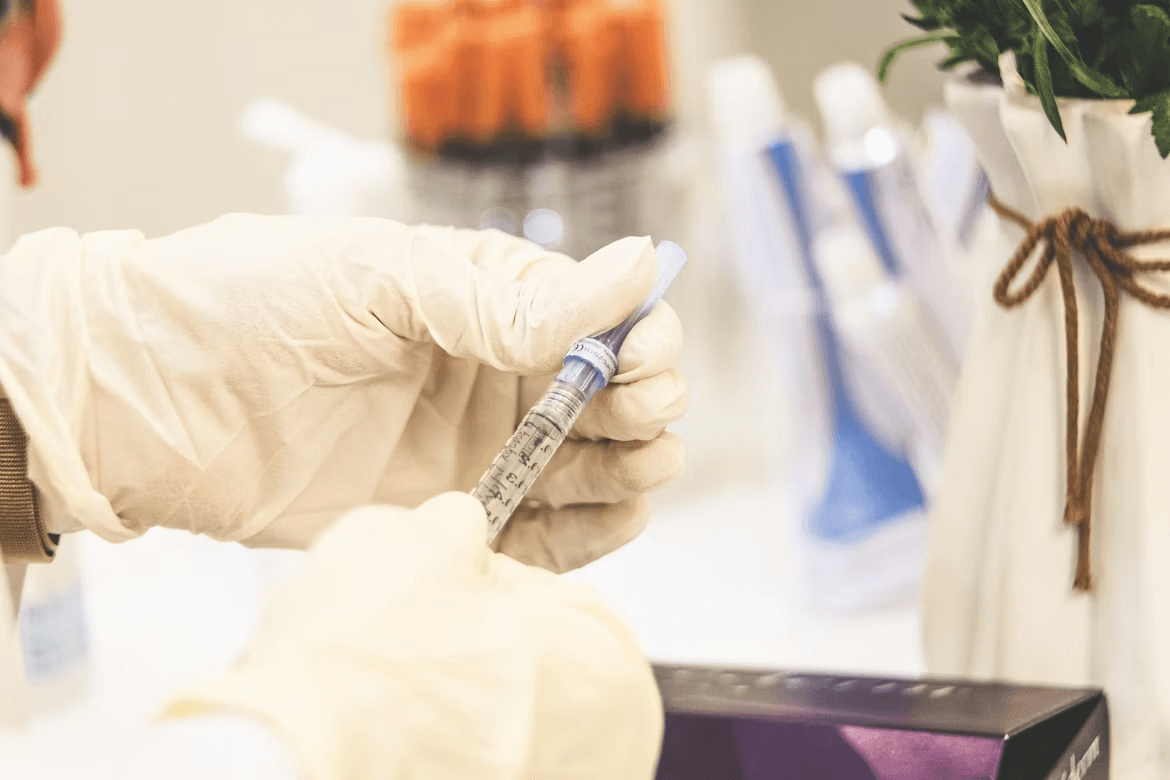
In some situations, imaging such as ultrasound may be used to help guide the injection.
People may experience temporary soreness or discomfort afterward, and activity recommendations can vary depending on the treatment area and individual circumstances.
Recovery is generally not about having an injection and immediately returning to normal activity. A clinician may recommend a gradual return to movement or a structured rehabilitation program.
Recovery Still Matters
One of the easiest mistakes to make with treatments like PRP is assuming the procedure replaces the rest of the recovery process.
In reality, everyday habits and rehabilitation can still matter considerably.
Depending on the injury, a broader recovery plan may include:
- Gradually rebuilding strength
- Improving mobility
- Adjusting training volume
- Following physical therapy guidance
- Getting sufficient sleep and rest
- Eating a balanced diet
- Avoiding activities that repeatedly aggravate the injury
The goal is usually to support the body while addressing the reasons the problem developed or persisted in the first place.
Keep Expectations Realistic
PRP is sometimes described online in overly dramatic terms, but it is better to approach it with realistic expectations.
Results can vary between individuals and conditions. Some people may experience improvements, while others may notice little change.
Research is also stronger for certain conditions than others, and preparation methods can differ between clinics.
That is why PRP should not automatically be viewed as a quick fix. It is one treatment option that may be appropriate in certain circumstances after professional evaluation.
Questions Worth Asking Before Treatment
If you are considering PRP, a good consultation should help you understand exactly why the treatment is being recommended.
Useful questions include:
- What condition are you treating?
- Why do you think PRP may be appropriate for this particular injury?
- What alternatives are available?
- What does the current evidence suggest for this condition?
- How many treatments might be recommended?
- What should I expect afterward?
- What activities will I need to limit?
- Will rehabilitation or physical therapy still be necessary?
- How will progress be evaluated?
Clear answers can help you make a more informed decision rather than choosing a treatment simply because it is currently popular.
Look at the Bigger Recovery Picture
PRP may make sense for some people, but recovery is rarely about a single treatment.
Sleep, movement, strength, mobility, nutrition, stress management, and appropriate rehabilitation can all contribute to how well someone recovers from an injury.
It is also worth considering whether everyday habits or activity patterns are repeatedly putting stress on the same area. Addressing those factors can be just as important as the treatment itself.
A good recovery strategy usually considers the whole picture rather than focusing exclusively on one procedure.
Final Thoughts
PRP therapy has become an increasingly discussed option for certain orthopedic injuries, but deciding whether to try it should begin with understanding the underlying condition.
Rather than viewing PRP as a guaranteed solution, consider it as one possible tool within a broader recovery plan. Ask questions, understand the available evidence, discuss alternatives, and make sure any treatment recommendation is based on your individual situation.
The more clearly you understand both the potential benefits and the limitations, the easier it becomes to decide whether PRP belongs in your recovery journey.